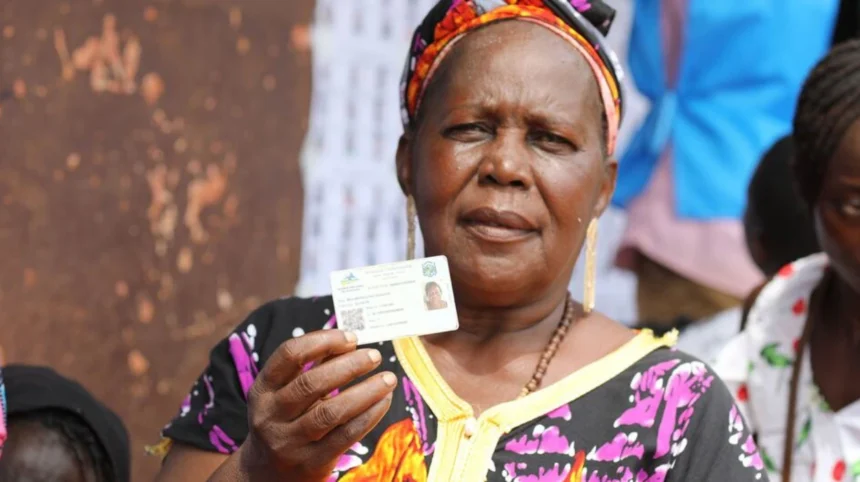
The CAR Elections would be the largest electoral exercise in the history of the country, which involved presidential, legislative, regional and long-overdue municipal elections. In a state where armed conflict has been recurrent since 2013, the comparatively peaceful behavior of voting in most prefectures was a positive indicator of achieving some extent of administrative control and territorial control.
Under the provisional data confirmed by the Constitutional Court in January 2026, President Faustin-Archange Touadera won 77.9 percent of the vote, and 52.42 percent of the 2.39 million registered voters took part. Though the local insecurity in the south east led to the closure of 21 polling centers, the scale of participation was bigger than in previous cycles. The United Nations mission in the country wrote the vote as the step of great importance in the consolidation of the peace process and State authority in terms of which it was presented as the marker of the fast development of the country of slow conflict management to institutional normalization.
Nevertheless, the magnitude of triumph and political climate before the ballot has focused on the argument whether the elections are a democratic consolidation or a form of executive entrenchment.
Constitutional Shift and Third-Term Controversy
It is impossible to detach the electoral result with the 2023 constitutional referendum which eliminated the presidential term limits and the seven-year extension. Passed with massive official backing during an opposition boycott, the reform reinstated the political structure, allowing Touadera to run in a third term.
The leaders of the opposition claimed that the referendum was held in a skewed atmosphere that was marked by restrictions on rallies and access to the media. The human rights groups in the world raised procedural anomalies and insufficient civic space. Although the government insisted that there was adherence to constitutional mechanisms, a lack of self-competitiveness in the process formed the perception of the next CAR Elections.
Institutional Control and Electoral Oversight
The 2025 process was monitored by The National Elections Authority and logistically assisted by the UN peacekeeping mission. Voting was monitored by more than 1,700 observers among them the African Union delegations. The AD reported that the polling process was peaceful, with the exception of Haut-Mbomou prefecture, where there was no security in the area that necessitated disruption.
Candidates of the opposition like AnicetGeorges Dologuele and HenriMarie Dondra denied the outcomes citing bias and administrative interference. Cases submitted to the Constitutional Court were swept away and it strengthened the mandate of Touadera but further polarised the politics. The legalisation of findings did not close the debate of legitimacy especially among the constituencies of urban opposition.
Security Gains and Persistent Fragility
The peace agreement that exists between the government and 14 armed groups of 2019 has continued to serve as the foundation of the stabilization strategy of the country. By mid-2025, two armed groups had officially disbanded and another rejoined the agreement after it was mediated by the region. In the months before the elections, more than 1200 combatants were reportedly disarmed.
In the western and central parts of the country, large-scale violence was significantly reduced, which allowed greater electoral usage. The UN peace keeping mission also referred to as MINUSCA delivered hundreds of tonnes of electoral products and assisted in excess of a thousand national security agents during missions. These logistical campaigns formed the basis of the impression that the CAR Elections were technically sound despite structural flaws.
Regional Volatility and Funding Constraints
In spite of this, the situation remains volatile in the northeast and southeast where militia activities and spillover to the neighboring Sudan are still putting pressure on local governance. The territorial control was unequal as the polling stations had to be closed in the insecure regions.
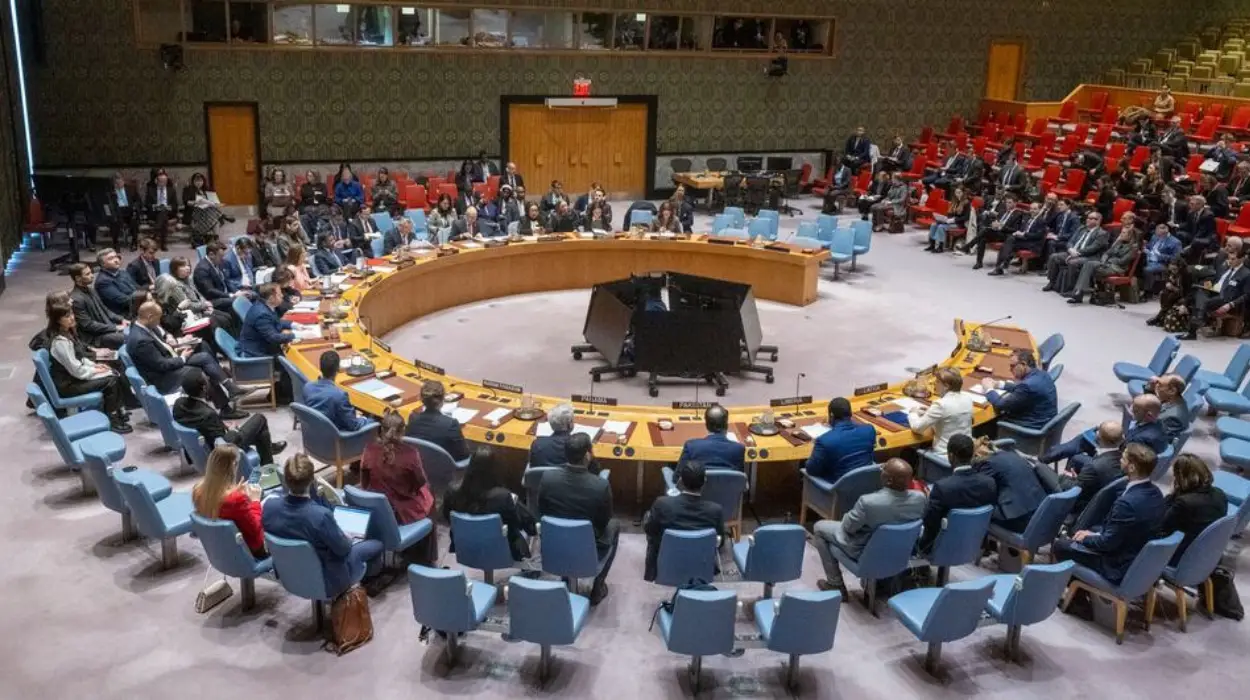
The economic unpredictability also increases stabilization. MINUSCA is experiencing a high number of contributions to the annual budget that are not paid, thus restricting its leeway. In late 2025, in debates in the UN Security Council, there were discussions on possible reorganization of the mission, which depended on a long-term increase in security and the ability of national forces to take more responsibility.
The interaction between global assistance and the national security organizations will determine whether the electoral developments will be converted into sustainable state building.
External Partnerships and Strategic Realignment
The Central African Republic has been experiencing diversified external partnerships in the security dynamics. Since 2021, Russian-associated security actors, under the name of Africa Corps, have offered security services and training to state institutions. Rwanda has also had a bilateral military force that aids the government in fighting rebel forces.
Such alliances helped in better control in Bangui and strategic corridors before the CAR Elections. Nevertheless, the western nations have shown concern regarding transparency in governance and concessions of resources associated with the western aid on security. The European Union and United States had retained observation missions, indicating the continued engagement but reserved scrutiny.
In the case of the administration of Touadera, the strategic autonomy is beneficial for diversified partnerships. To critics, they depict a unification of the executive authority with non-conventional security allies.
Political Inclusion and Representation Trends
Incremental social inclusion was also manifested in the electoral process. Females constituted almost one-half of the number of registered voters and a substantial fraction of municipal candidates, as the gender turnout was slowly advancing. The first time in decades, the formal political arena was opened to non-national elite people because of the reintroduction of municipal elections.
However, the Republican Bloc to the Defense of the Constitution argued that the competition was not effective in practising since structural inequities existed and kept on boycotting. The lack of coherent opposition participation curtailed the electoral competitiveness which cast doubt on the extent of pluralism despite adherence to the procedures.
The ruling United Hearts Movement merged its influence in parliament and the presidential election, which strengthened the policy continuity. It is unclear whether this dominance enables administrative coherence or distorts deliberative space, which is one of the key areas of focus in evaluating the more general implications of the CAR Elections.
Economic Pressures and Governance Outlook
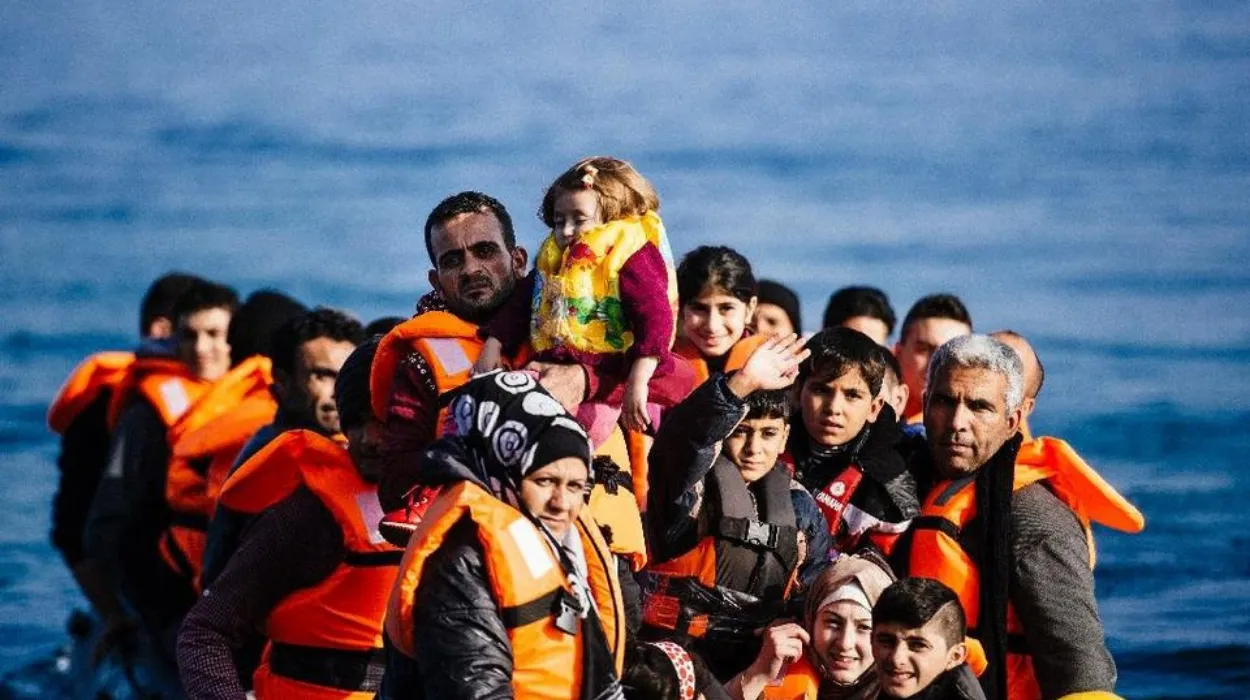
Outside politics, the incoming mandate is challenged by structural economic formations. The nation still struggles to address infrastructural shortage, humanitarian demands and the economic impacts of the unrest in the region. The migration and internal displacement of refugees puts pressure on already scarce public services.
The international financial institutions have expressed optimism that is guarded and in connection to better security indicators, but they have indicated that before providing increased help, reforms in governance and fiscal transparency have to be made. The capacity of the government to use the electoral legitimacy into institutional reform will affect the investor confidence and the donor participation until 2026 and beyond.
The post election environment is thus a two fold dynamic. On the one hand, procedural continuity and less violence make it stronger in making claims of improvement over previous cycles that were characterised by massive uproar. Contrarily, the restructuring of the constitution and marginalization of opposition make it difficult to tell the story of democratic deepening.
As Touadéra begins a renewed mandate extending into the next decade, the CAR Elections stand as both a reflection of hard-won stability and a test of institutional resilience. The extent to which security gains evolve into inclusive governance, rather than centralized durability, will determine whether the vote is ultimately remembered as a turning point toward normalized statehood or as the consolidation of a presidency strengthened by conflict-era pragmatism.