Ten years after Youth Peace and Security was initially put on the official UN Security Council agenda by resolution 2250 in December 2025, it was adopted by resolution 2807. The two resolutions taken jointly spell a 10-year transformation in the perception by the international system towards the youth in conflict-ridden environments.
Youth are the same people who used to be perceived mainly through the prism of vulnerability and radicalization, however, today, youth are becoming more and more visible as the representatives of the political arena, peacebuilders, and stakeholders whose presence in a conflict predetermines its consequences. Resolution 2807 shows this change, but it also shows the boundaries of the gains that have been achieved since 2015.
Resolution 2250 And The Emergence Of The YPS Framework
The adoption of Resolution 2250 came at a time when youth political instability was increasing and violent extremism was also becoming a point of concern. The wars in Syria, Iraq, and some regions in Africa were covered by the stories that represent the youth as a major threat to national security. It is on this background that the resolution redefined youth as being part of the solution focusing on participation, protection, prevention, partnerships and disengagement and reintegration. It was also the first instance where the Security Council recognized that successful peace involved inclusion of the young people.
Early Institutional Responses
During adoption years, the programmation and thematic debates were translated into the UN language and agenda by the Secretary-General using the YPS agenda as a reference. In 2018, peace operations started experimenting with youth advisory boards, and youth consultations, although these efforts were informal and uneven. This was because the implementation was largely dependent on political will at both national and mission levels since not a single binding requirement was established.
Implementation Trajectory Between 2015 And 2020
The national YPS action plans became progressively used in several states between 2015 and 2020. The plans were diverse in terms of their coverage with some involving the youth in the peacebuilding budgets and others being a wish list. The UN review of this period revealed a disparity between the policy acceptance and the operational transformation especially in the nations where active conflict was witnessed wherein security consideration was of paramount importance compared to participatory reform.
Youth Participation In Peace Processes
Statistics prepared by UN bodies indicated limited increment in the number of youths participating in peace negotiations especially at the local levels. Nevertheless, the participation of youth delegates whose decisions had to be made was uncommon in the formal negotiations. This added to the criticism that Resolution 2250 had institutionalised consultation in the absence of power-sharing, which limited its transformative effect.
Resolution 2807 And The 2025 Turning Point
Resolution 2807 was a direct reaction to the criticism of the previous framework since it proposed more explicit reporting and monitoring expectations. It demanded periodic briefings to the Security Council and it insisted on the use of age-disaggregated data collection. These arrangements matched greater UN reform deliberations in 2024 and 2025, such as the Pact for the Future, which aimed at quantifiable results, as opposed to normative broadening.
Elevating Youth Voices At The Council Level
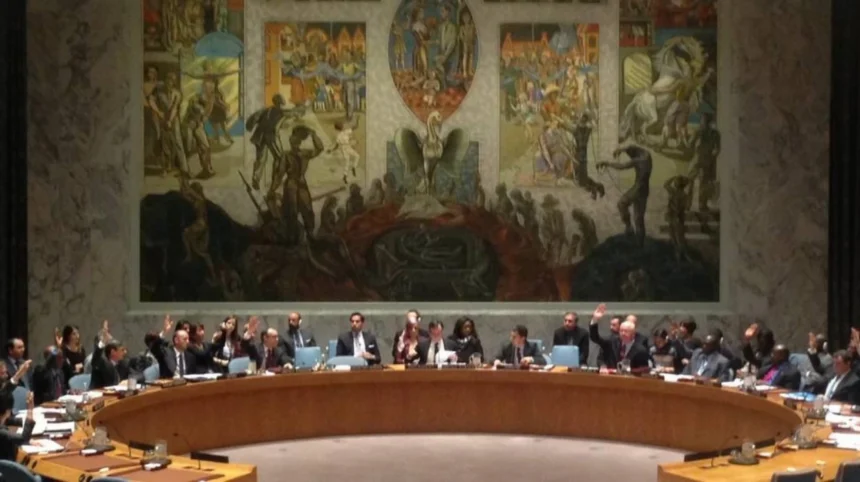
Among the most obvious changes that were brought about by Resolution 2807 was the institutionalization of the youth briefers in the council deliberations. Although youth representatives had been present at the Council on rare occasions previously, the new resolution defined their presence as a part of the Council, not a token of representation. In the discussion of the adoption, various groups of delegates emphasized that the YPS agenda credibility had to rely on permanent access to the decision-making spaces.
Measuring A Decade Of Youth Peace And Security Outcomes
By 2025, over forty countries were noted in the records of the UN to mention YPS in national strategies, which was not the case in 2015. Increasingly, peacebuilding funds incorporated youth-led initiatives, and at least some missions were finding that their recidivism rates among youth reintegrated into youth-based programs were falling. These are numbers indicating gradual learning of institutions as opposed to overhaul.
Qualitative Shifts In Conflict Settings
Youth organizations were visible in the reconciliation and in stabilization of communities in the contexts like Colombia and Sierra Leone. According to the analysts, such cases were advantageous because of the political transitions that created the room to engage with the youth. In other regions, especially in protracted conflicts, the youths still were being restricted to civic participation even when there was a formal commitment by YPS.
Persistent Gaps And Structural Constraints
One common challenge that has been experienced over the decade has been financing. Youth peace programs have a tendency of being short-term funded and hence not very sustainable. A number of member states gave warnings in 2025 budget talks about extending demands without commensurate resources in view of wider strains in the UN system as the number of crises multiplied.
Regional Imbalances In Implementation
The focus on Africa has been the subject of YPS discourse since the Resolution 2250 was passed, though there is an unequal implementation in various regions. The integration in parts of Asia and Latin America was lower, especially because the definition of youth in the law is not always similar or that no domestic political opposition exists. Resolution 2807 recognized such inequalities but did not go ahead to prescribe regional standards.
Strategic Significance For The Security Council
With regard to strategy, the YPS agenda overlaps with preventive diplomacy. In 2025, a study by the UN attributed youth exclusion to an increased likelihood of joining armed organizations, especially in areas where the climate is becoming more challenging. Resolution 2807 highlighted early engagement as a preventative measure of low cost, and the inclusion of youths became a central part of the security issues instead of a 2nd degree social policy.
Implications For Peace Operations
The political missions and peacekeeping are now required to show the results of the youth engagement. This change disrupts the old traditions of designing missions, when the state-centric actors are put in the focus. The second stage of the implementation will explore whether missions can leave consultations to establish a shared agenda with youth constituencies.
Outlook Beyond The First Decade
Resolution 2807 ended the first chapter Youth Peace and Security but raised questions on the direction it was going. The period of 2250-2807 revealed that normative awareness cannot guarantee change but it also revealed how continuous advocacy can transform the view of the institution.
As disasters become more sophisticated and demographic demands augment, the level, to which youngsters are viewed as collaborators and not recipients, might validate the believability of the peace and security structure of the Security Council.