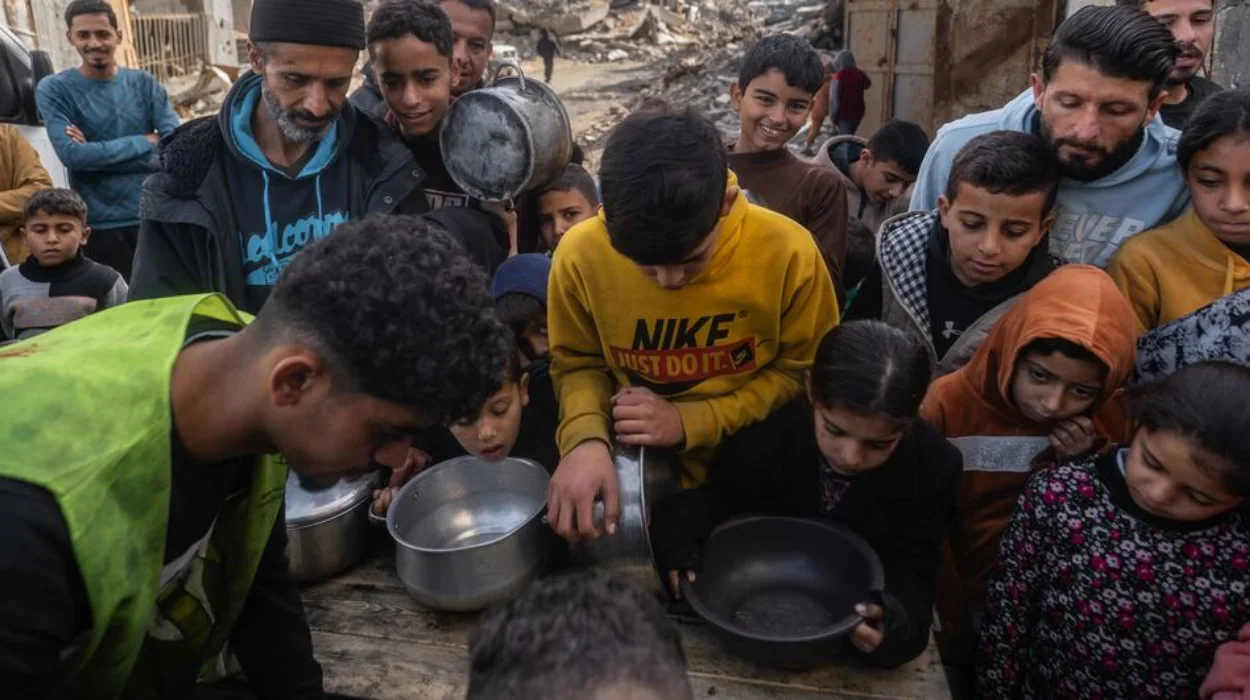
Gaza Children’s dreams have also become a centre of post-ceasefire recovery talks after one of the most devastating past in the history of the enclave. Following the ceasefire of October 2025, humanitarian authorities stated that over 17, 000 children had been murdered since the war intensified in late 2023, and thousands more harmed or permanently incapacitated. During the months that followed the truce, the security environment was weak since children died in sporadic strikes and unexploded ammunition.
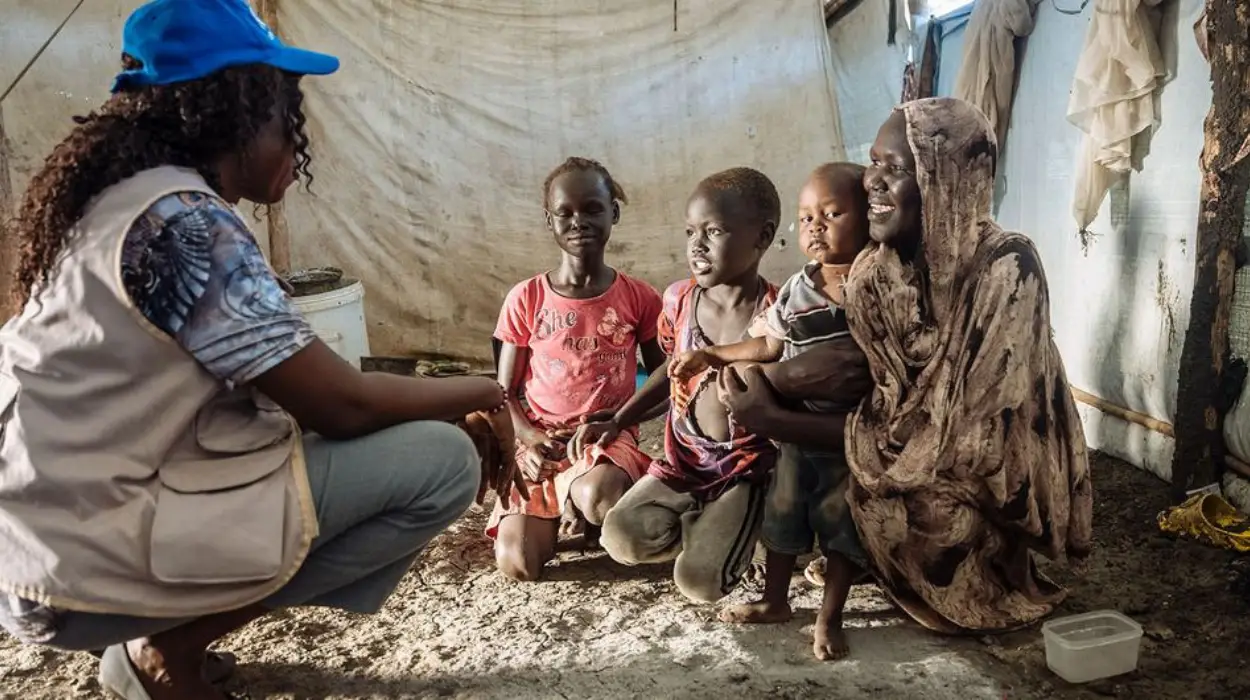
UNICEF indicates that children take a disproportionate number of casualties and displacement. Close to two million individuals are still displaced with numerous ones taking shelter in destroyed buildings or in tents. In children, the accumulated trauma is not limited to the physical injury, but also to separation with a family, interrupted schooling, and long-term mental strain.
At the beginning of 2026, a UN-supported project set off gathering written and illustrated testimonies of children concerning their expectations of the future. Their reactions were always more focused in areas that were safe, had stable accommodation and even schooling rather than larger economic or infrastructural aspirations. These phrases provide a unique bottom-up view of the reconstruction priorities.
Education Collapse and Recovery Pathways
Towards the end of 2025, it was estimated that over 90 percent of the school buildings in Gaza were destroyed or damaged. There were at least 625000 students who had been significantly disrupted over time in formal learning and some students lost two full academic years. The entry to primary school was forever postponed among around 45,000 six-year-old children.
The fact that educational infrastructure is destroyed has both a short term and long-term effect. Gaza schools are also known to be community centers and emergency shelters besides being educational institutions. Their defeat worsens the displacement conditions and undermines social unity.
Psychosocial Support as Core Infrastructure
The issue of reconstruction arguments is increasingly shaping education as not just bricks and mortar. Humanitarian organizations create child-friendly environments where play, remedial education, and trauma counseling take place. UNICEF and other NGOs have restored the selected facilities and initiated an initiative known as Back to Learning which entails restoring normalcy and order.
As a spokesperson of UNICEF, James Elder has stated that efforts to recover should be a way of transforming violence into aid, stating that ending child killings is not enough. Considering that mental health is being incorporated into school curriculum, it is taking a central place in rebuilding plans. In the case of children whose displacement and loss have been repeated, the classrooms should be therapeutic and academic.
Institutional Coordination
UNRWA and the Palestinian Ministry of Education are still liaising with the international donors to focus on the quick reconstruction of schools. However, lack of funds and material limitations make schedules hard. The temporary learning centers may turn out to be temporary replacements as opposed to stepping stones to complete recuperation without the continuous funding.
Health System Strain and Nutritional Crisis
Pressure is intense in the field of health. Reports of shortages of critical medicines in hospitals such as chronic illnesses like cancer and cardiovascular diseases have been noted. The capacity of pediatric care has been drastically reduced and restricted specialized care of war related injuries.
The screening campaigns to identify malnutrition cases were held until 2024 and 2025 and revealed tens of thousands of acute cases in children. The unavailability of food worsened when aid was curtailed resulting in increased health susceptibility. At the beginning of 2026, humanitarian organizations said that recovery strategies could not be built on infrastructure recovery, but also on a long-term nutritional recovery.
Water and Sanitation Risks
Sanitation infrastructure and water were severely damaged in the war. Although emergency trucking activities did reestablish partial access to hundreds of thousands they still have weak sanitation systems. The pollution of water and poor management of rubbish increases the level of disease especially in children staying in overcrowded refugee shelters.
Reconstruction paradigms are putting more focus on water, sanitation, and hygiene as a pillar to child health. These investments are not very evident and are often less visible as school or hospital reconstruction, and have a direct impact on survival and developmental outcomes.
Displacement and Shelter Imperatives
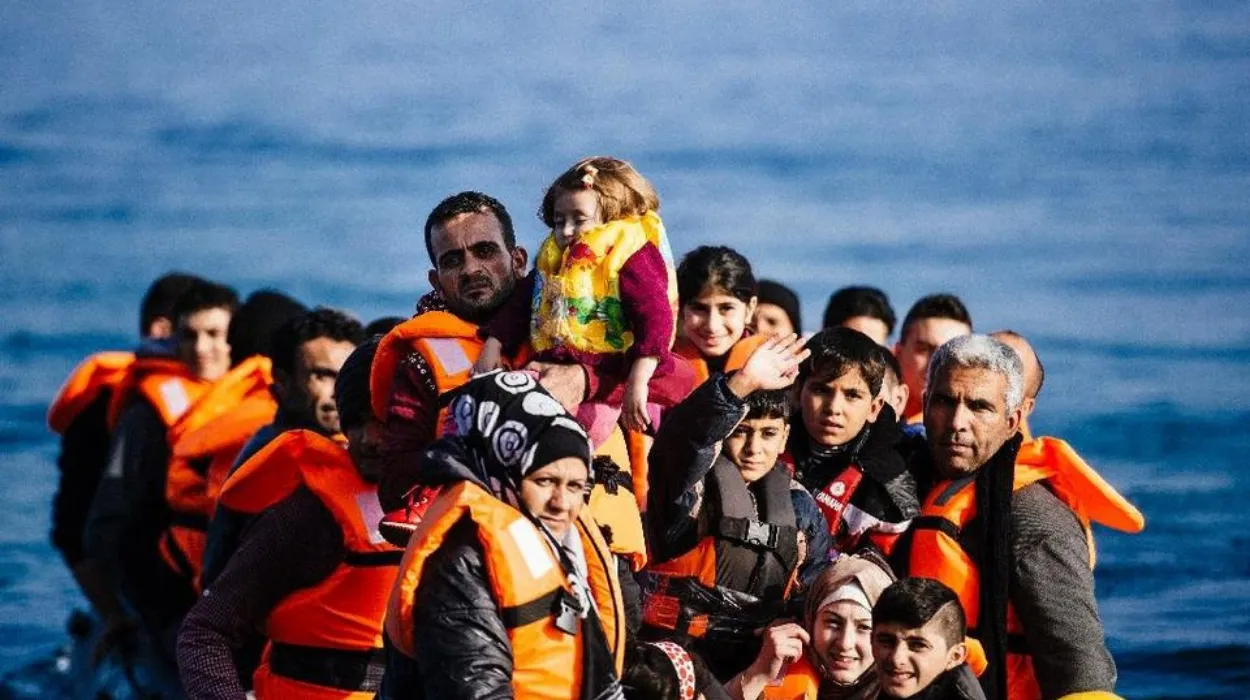
The situation with almost two million displaced residents remains in a precarious state of shelter. There are a lot of families residing in tents or in half-fallen houses and children are exposed to the elements and security threats. The emotional burden of the long term displacement is manifested in the drawings and testimonies of children gathered by the aid agencies as this often portrays the home with stable houses being the initial beacon of hope.
The priority in the early recovery plans is transitional housing with the long term residential reconstruction being subject to the political and logistic consideration. The 2026 international appeals to Gaza and West Bank have requested more than $4 billion of funds aimed at fulfilling urgent humanitarian needs and child-centered programs constitute a significant part of the requested funds.
However, shelter reconstruction is associated with complicated questions concerning the land use, clearance of the debris and the integration of various governing authorities. The rate at which recovery is going to be undertaken will largely determine the ability of children to get back to normal lives or face a period of prolonged insecurity.
Integrating Children’s Voices into Policy Design
Humanitarian officials believe that the Gaza Children Dreams have more than a mere symbolic use. According to Jonathan Crickx of UNICEF, a recovery strategy that does not listen to children will not work for them, and will not work for Gaza. The integration of youth views in planning complies with universal child-rights systems and the strategy can enhance accountability.
The priorities of the children tend to be focused on material and short-term benefits: good play grounds, working schools, and electricity. Those needs are opposed to macro-level reconstruction discourses that focus on ports, trade areas, or industrial regions. There is a policy challenge of aligning goals of strategic infrastructure with the expectations of the grassroots.
Balancing Immediate Relief and Long-Term Resilience
Reconstruction sequencing is controversial. Relief services such as food, water and medical attention have been competing with long term development projects. The donor coordination is essential to avoid overlapping and to target the beneficiaries fairly.
Programs they have created to assist orphans and vulnerable children have expanded with monthly stipends sent to assist in education and nutrition. Although these types of initiatives do offer short-term relief, long-term resilience relies on consistent government and financial regeneration. The dynamics between humanitarian relief and development planning will be the key to whether the aspiration of children will lead to change in the structure.
2025–2026 Developments and Political Context
The 2025 escalation heightened the destruction of infrastructure and made the implementation of ceasefire difficult. Though the October truce later made it possible to scale limited reconstruction, the gains were reversed by intermittent violence in early 2026. The political interference in humanitarian corridors is still possible and this would impact the predictability of aid.
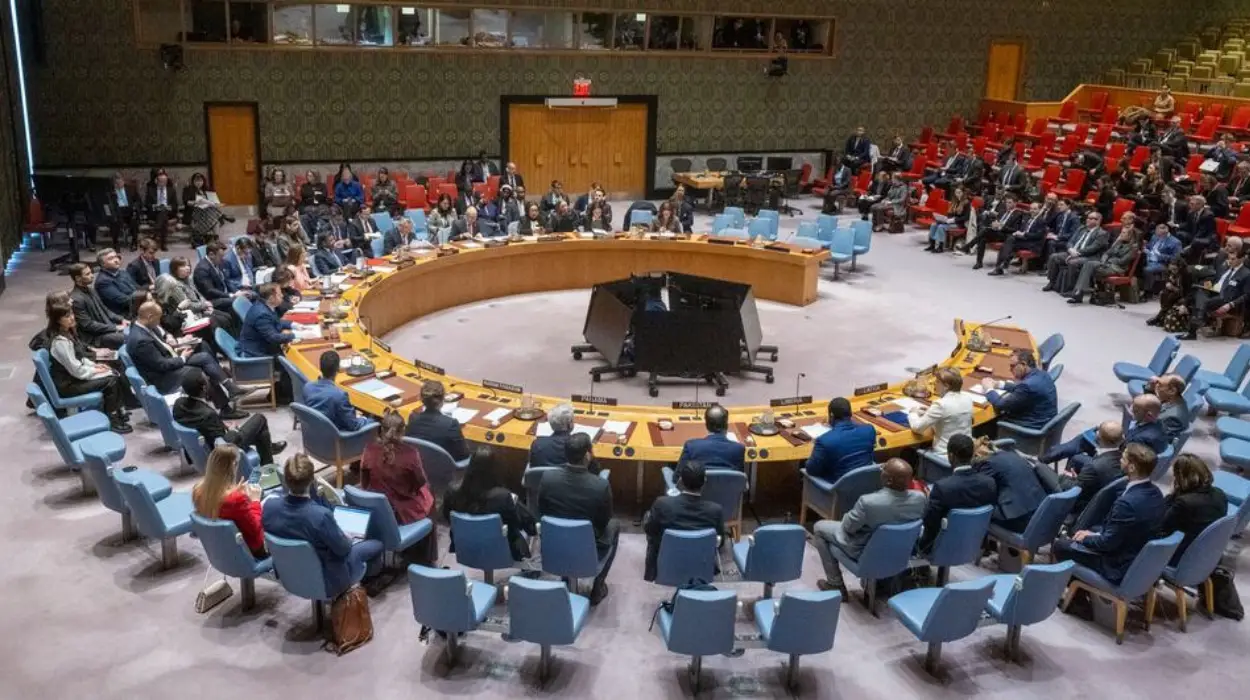
The diplomatic practices in international relations still focus on child protection as a non-negotiable component in compliance with ceasefire. The priority of donors has been shaped by reports by human rights organizations of civilian injuries, as a means of supporting the centrality of child-oriented programming in funding appeals.
Nevertheless, major powers have geopolitical boundaries that make it difficult to maintain watch. Reconstruction measures therefore have to act in an environment that is politically dynamic in nature, whereby ceasefire cannot be guaranteed to hold.
Reframing Reconstruction Through Child-Centered Metrics
Gaza Children Dreams emphasize the reconstruction measures. Rather than gauging progress in terms of infrastructure output or GDP recovery, agencies are also measuring psychosocial well-being, school attendance restoration and nutritional recovery rates.
This shift aligns with broader humanitarian trends emphasizing human security. Durable shelter, accessible education, and functioning healthcare systems collectively form the architecture of child resilience. For policymakers, integrating these indicators into recovery benchmarks may offer a more comprehensive gauge of stability.
As ceasefire negotiations continue and rebuilding plans evolve, the aspirations expressed by Gaza’s youngest residents present both a moral imperative and a practical blueprint. Whether international stakeholders can translate those aspirations into coherent, adequately funded systems will shape not only physical reconstruction but the social fabric of a generation growing up amid uncertainty, leaving open the question of how deeply their voices will influence the region’s long-term trajectory.