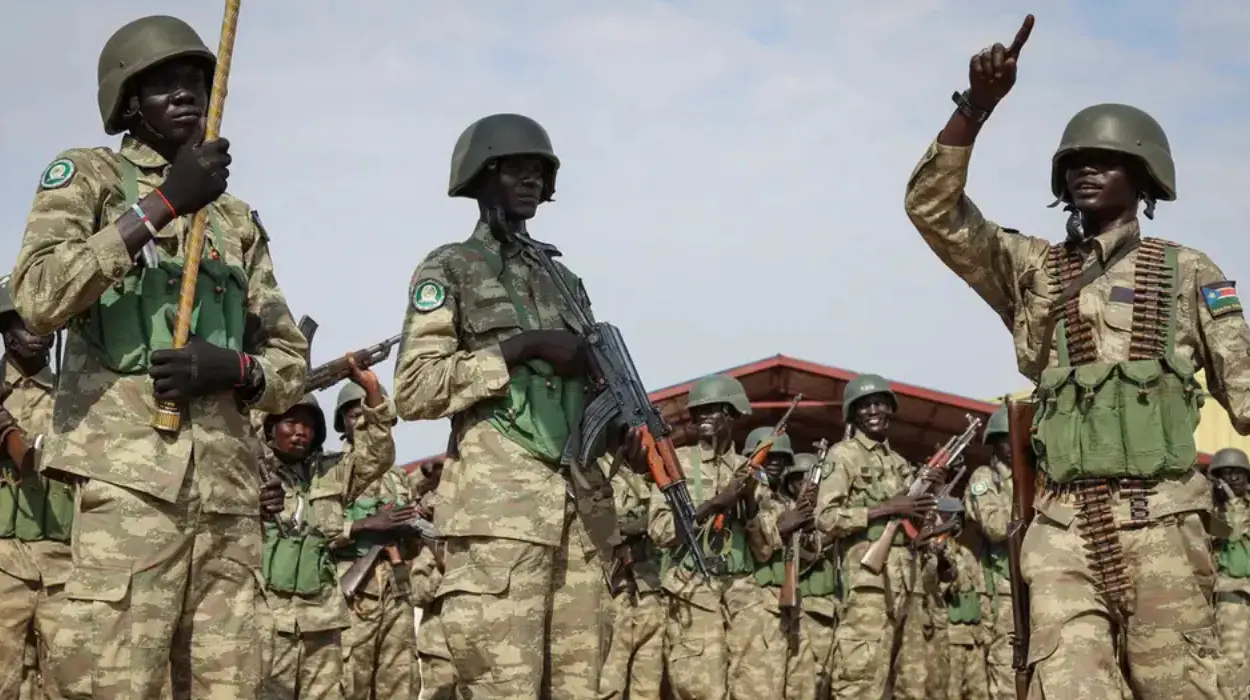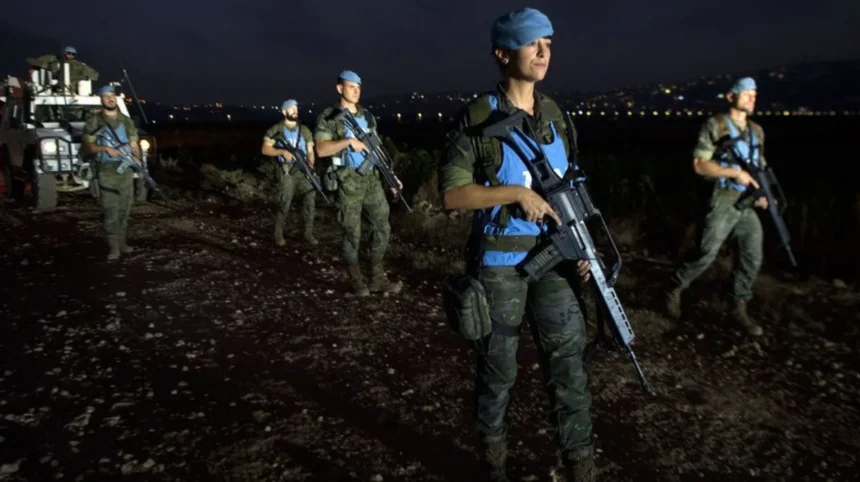
During a high-level ministerial session in Berlin on Wednesday, more than 130 nations and international partners pledged military, technological, and political assistance for UN peacekeeping.
Meanwhile, UN Secretary-General António Guterres issued a warning, saying that peace operations are becoming more and more stressed and need to change to face the new dangers. Over 1,000 people, including foreign and defense ministers, attended the two-day peacekeeping conference organized by the German government, which reaffirmed support for the UN’s premier instrument for preserving peace and security.
88 military and police units, specialized training, investments in cutting-edge technology, and strategic communications were among the many commitments made at its conclusion on Wednesday.
“Blue helmets can mean the difference between life and death in trouble spots around the world,”
Mr. Guterres stated in his introductory comments. The world needs the United Nations now more than ever. Additionally, the UN need peacekeeping that is completely prepared for the difficulties of the future as well as the realities of the present.
What military and tech support was pledged in Berlin?
Germany promised €82 million (about $91.7 million) in cash, coupled with pledges in drone technology, training, and sustainable energy solutions. Germany presently provides troops to UN operations in South Sudan, Lebanon, and Western Sahara. According to Defense Minister Boris Pistorius,
“Germany remains a staunch supporter of UN peacekeeping.”
The particular commitments made by 74 UN Member States included everything from training and strategic support to uniformed personnel. This includes commitments to support police and military forces, such as enhancing the Women, Peace, and Security Agenda (38) and promoting safety and protection (16), specialized training (59), airlift and fast deployment capabilities (53 national contributions), and technical advancements (18).
Additionally, eight governments backed the UN’s efforts to combat misinformation and disinformation through strategic communications, while eleven states pledged to improve responsibility and behavior, including supporting the trust fund for victims of sexual exploitation and abuse.
Secretary-General Guterres acknowledged at a press conference after the meeting that peacekeepers work in a dangerous and complex environment, pointing to a record number of international conflicts, drone and improvised explosive device (IED) attacks, and the growing threat from disinformation campaigns.
Alongside German Foreign Minister Johann Wadephul and Defense Minister Pistorius, he stated, “We need to ask some tough questions about the mandates guiding these operations and what the outcomes and solutions should look like.” “Missions must be modified to fit the unique circumstances of each context.”
The UN chief also emphasized the significance of consistent financial support, noting that many missions still face cash flow issues as a result of Member States’ late payments.
“All Member States must fulfill their financial responsibilities by making their contributions on time and in full,”
he stated.