The case of Gaza in 2025 poses a rather serious diplomatic and humanitarian issue to the United Nations Security Council (UNSC) where the idea of the captives of Hamas and the deteriorating situation of the citizens in the enclave is at stake here. With the Council having an extraordinary meeting at the request of Israel, the intersection of interests at the nexus of humanitarian necessity, the politics of division, and international law became so dramatic as to show the boundaries and opportunities of the UNSC diplomacy in one of the longest and most complicated conflicts of recent decades.
Rising urgency of the Gaza hostage crisis
The ongoing hostage situation has become both a symbol and symptom of deeper political paralysis and humanitarian breakdown. Its persistence underscores the difficulties in securing consensus while protecting lives.
The human toll and current status of hostages
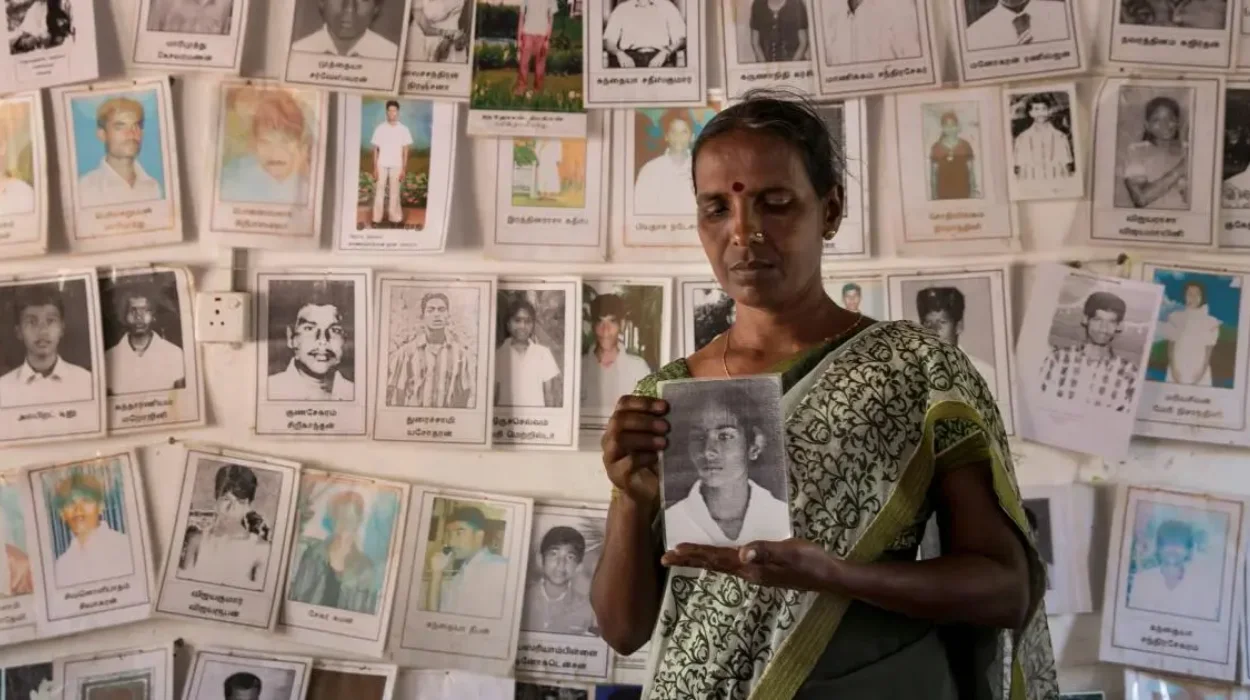
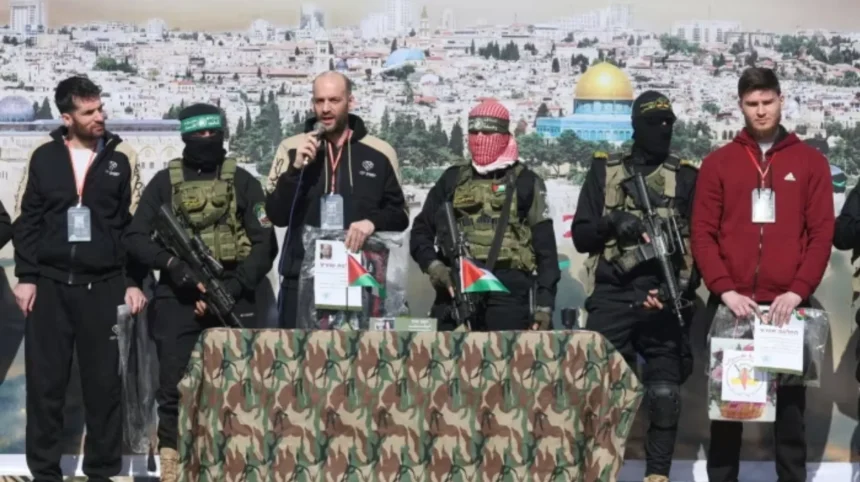
Since the October 7, 2023, Hamas-led attacks on Israel, approximately 251 people were taken hostage, with 50 still believed held in Gaza as of August 2025. Of these, international sources estimate around 20 remain alive amid appalling conditions. Recently released videos by Hamas and Palestinian Islamic Jihad depicting hostages Evyatar David and Rom Braslavski in emaciated, tortured states have shocked the global community. UN officials, including Secretary-General António Guterres, have denounced the treatment as “an unacceptable violation of human dignity,” underscoring the hostage-taking as a clear war crime under international law.
Israeli officials, led by Foreign Minister Gideon Sa’ar, have emphasized the dire conditions and called on the international community to pressure Hamas unequivocally for the immediate and unconditional release of all hostages. Sa’ar countered accusations leveled at Israel for the humanitarian crisis by asserting that the Israeli government allows “huge amounts of aid” into Gaza while blaming Hamas for confiscating supplies intended for civilians and hostages alike.
The expanding humanitarian catastrophe
Along with the hostage crisis, the humanitarian emergency in Gaza with its civilian population of more than two million people is catastrophic. Acute food shortages are plaguing the enclave with the World Food Programme urgently warning of 320,000 children under five who are at immediate risk of acute malnutrition. According to the Gaza Ministry of Health, close to 188 deaths due to malnutrition related causes have been reported since the hostilities have increased with 94 of them being children.
International agencies evaluate the situation of the imminent famine by explaining that it is the worst-of-all-time that is actually unfolding and Israeli impediments on entering food, medicine, and fuel sources only make the situation more drastic. The set surrounding the suffering of the hostage is therefore a civilian population held in impoverishing settings of starvation, poor health, and lack of infrastructure.
UNSC diplomacy amid complex dynamics
The hostage crisis triggers diplomatic activities at the Security Council, which brings out the level of seriousness of the hostage-taking process, as well as the geographical rivalry and constraints that politics have on international responses.
Meeting convened at Israel’s behest and international response
In early August 2025, the UN Security Council held a special session to discuss the hostage situation in Gaza and did so based on an official Israeli request with the support of France, the UK, and the United States. The session was used to give a platform to voices, both short briefings by senior UN officials, such as Assistant Secretary-General Miroslav Jen?a and representatives of civil society. The hostage videos, according to Jenca, feel like an insult to humanity as a whole, and represent an imperative both in humanitarian and legal terms.
The majority of the members to the Counsel renewed demands of releasing hostages at once and hostile seizures as not permitted in international humanitarian legislation. It also touched upon the more general Israeli-Palestinian conflict which has been raging around the world: most of the members were sympathetic with the situation of the hostages, but a few members put the blame on the Israeli blockade and military actions that had exacerbated the situation in Gaza as far as its humanitarian environment is concerned. This split makes it problematic to achieve unanimity, or strongly worded resolutions at the UNSC and shows how the political divides have remained a key part of international diplomacy.
Divergent geopolitical positions and challenges in consensus-building
The discussion by the Security Council indicates the tense geopolitical environment behind the crisis in Gaza. The U.S., UK and France as the leading western members lay serious emphasis on the role of Hamas in holding hostages and promoting increased pressure on the organization. On the other hand, other members single out the behavior of Israel such as the effect of the blockade and military operations as key contributors toward the suffering of civilians.
The polarity influences the outcomes of diplomacy as certain members of the Council, as well as some observers, lamented the perceived imbalances in serving humanitarian concerns and political responsibility at the same time. It is the difficulty to align the necessity to protect the civilian lives, mitigate suffering on one side and work towards the hostages release, within long-standing conflicting narratives and strategic priorities.
Legal and humanitarian implications at the UNSC nexus
These two crises of taking hostages and depriving masses of people of the necessities of life require a sensible approach to the international law and humanitarian norms with the structure of the Council.
Hostage-taking as a war crime and accountability
Hostage-taking during armed conflict is a war crime and a serious violation of the Geneva Conventions under the unambiguous prohibitions and affirmations of International law on the subject. This norm of international law was confirmed during the session of the UNSC, when the representatives underlined that the detainees had to be treated in a humane way, that the International Committee of the Red Cross had to provide access, and that they had to be released.
The difficulty the Council and the international community as a whole is enforcing these norms on non-state armed elements such as Hamas, who are in possession of hostages yet they refuse international supervision. Policywording therefore needs to weigh in the frustration methods and retain the larger humanitarian access and want to avoid escalating the suffering of the civilians.
Humanitarian crisis and international response
The wider humanitarian cause in Gaza connected with the hostage case puts UNSC and its system under high pressure in order to respond quickly with aid tickets despite existing constraints in conflict. More so, humanitarian agencies consistently encounter difficulties in their operations like the blockade, security threats and political divisions in and outside Gaza.
Famines and childhood and generally, at-risk groups malnutrition are becoming imminent creating a rush to relieve action. Nonetheless, the passage of politics in the Security Council is dangerous because it tends to slow or degrade effective multilateral action. That tension indicates the inherent challenge of blending humanitarian diplomacy with the demands of conflict resolution and imperatives of justice related to polarized and protracted conflicts.
Voices highlighting the crisis and calls for action
The complexity of humanitarian and political interests the UNSC is facing is shown by the discourse of the issue of hostages in the press and the official statements.
The relevance of the situation and its complexity have been underlined by key actors that were taking part in or commenting on the UNSC session. Israeli Foreign Minister Gideon Saar called the session as necessary so the world “cannot forget the hostages in the face of what is starvation and torture.” Simultaneously, UN officials highlighted both the indignity suffered by detainees and the “unbearable” conditions faced by the wider Gaza population.
This person has spoken on the topic, emphasizing the multidimensional humanitarian and political challenges the Security Council faces in addressing the Gaza hostage crisis and wider conflict.
Israel convened an urgent session of the UN Security Council to discuss the October 7 Hostage Crisis, after Hamas forced a starving hostage to dig his own grave.
It called on the UN Security Council to condemn Hamas for its crimes and hold it responsible. It did not. pic.twitter.com/9HzMJOWuoJ
— M.A. Rothman (@MichaelARothman) August 6, 2025The session’s proceedings and international reactions crystallize the complex and entangled humanitarian, legal, and political dimensions confronting UNSC diplomacy. The tragedy of the hostages, emblematic of larger suffering, confronts the Council with the difficult task of maintaining credibility and moral authority while navigating entrenched divides.
As the Gaza crisis endures, the UNSC’s efforts to harmonize immediate humanitarian relief, secure hostage release, and lay groundwork for longer-term peace and justice remain tested. How the Council and international actors maneuver through these competing priorities may shape not only the fate of those held captive but also the broader prospects for resolving a conflict burdened with profound human costs and geopolitical complexity.