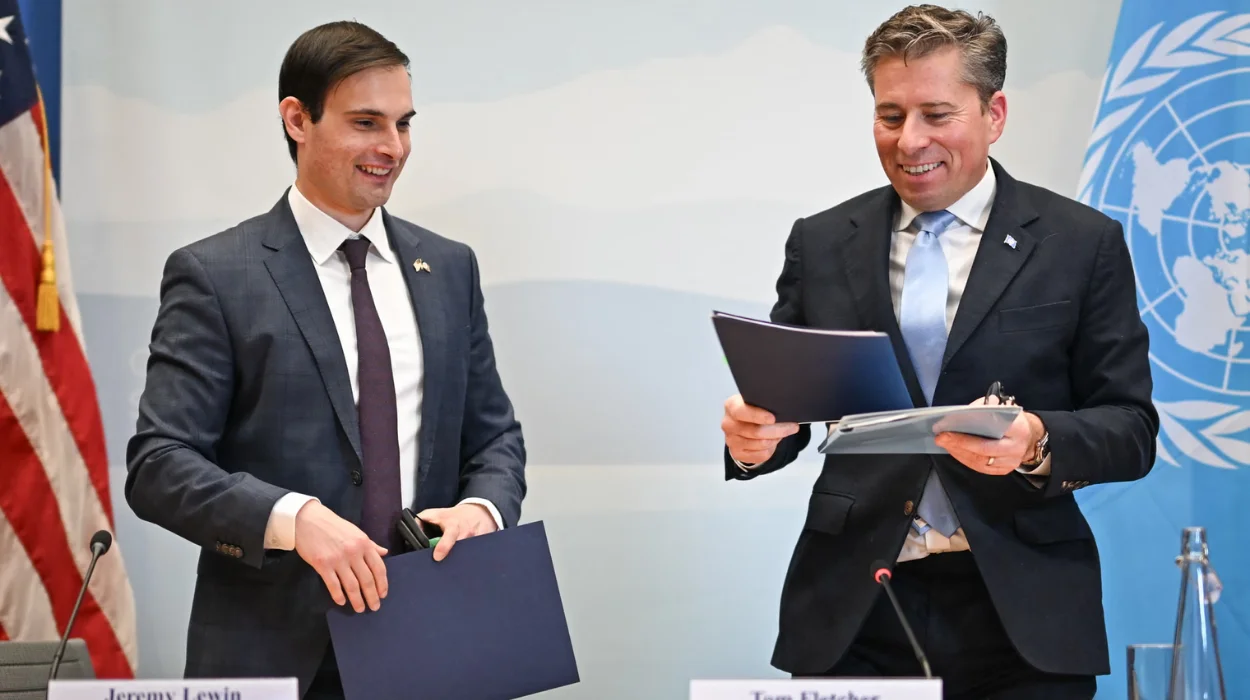
UN Secretary-General António Guterres has expressed his deep concern over the intensified standoff between the United States and Venezuela, which came to a head early Saturday morning as President Nicolás Maduro of Venezuela was apprehended by American special forces. This is after several months of heightened tensions between the US and the Venezuelan government.
.@antonioguterres deeply alarmed by escalation in Venezuela, culminating with US military action today.
He’s concerned that international law hasn't been respected.
He calls on all actors in Venezuela to engage in inclusive dialogue, in respect of human rights & rule of law.
— United Nations (@UN) January 3, 2026U.S. President Donald Trump announced the capture on social media, while the U.S. Attorney General stated that Mr. Maduro and his wife, Cilia Flores, would face “the full wrath of American justice on American soil, in American courts.” The charges stem from a 2020 narcoterrorism indictment issued during Trump’s first term and filed in New York.
How did the U.S. operation unfold on Venezuelan soil?
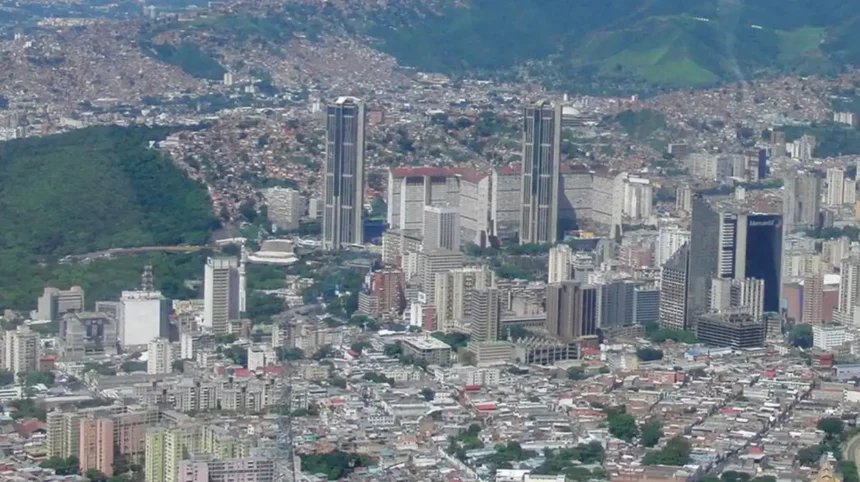
According to reports, the U.S. operation began last night with air and missile strikes in the Venezuelan capital, Caracas, as well as its surroundings. A nationwide state of emergency has been declared by the Venezuelan government, but the extent of the damage is not yet clear.
The government has condemned the operation as a crime of “extremely serious military aggression.” The attacks come as a result of a series of escalating tensions that include a huge US military presence near the coast of Venezuela and a series of attacks on ships that the US claims have links to drug trafficking.
Recently, the United States has also ordered the confiscation of Venezuelan oil tankers under sanctions, in addition to threats of land invasion with a view to expelling President Mr. Maduro from power.
Why does the UN see this as a rule-of-law crisis?
In a statement released by UN spokesperson Stéphane Dujarric, Guterres warned that the U.S. military action carries “potential worrying implications for the region.”
“Independently of the situation in Venezuela, these developments constitute a dangerous precedent,” the statement said.
“The Secretary-General continues to emphasize the importance of full respect—by all—of international law, including the UN Charter.”
Guterres expressed deep concern that “the rules of international law have not been respected” and urged all parties to pursue “inclusive dialogue” in line with human rights standards and international legal obligations.
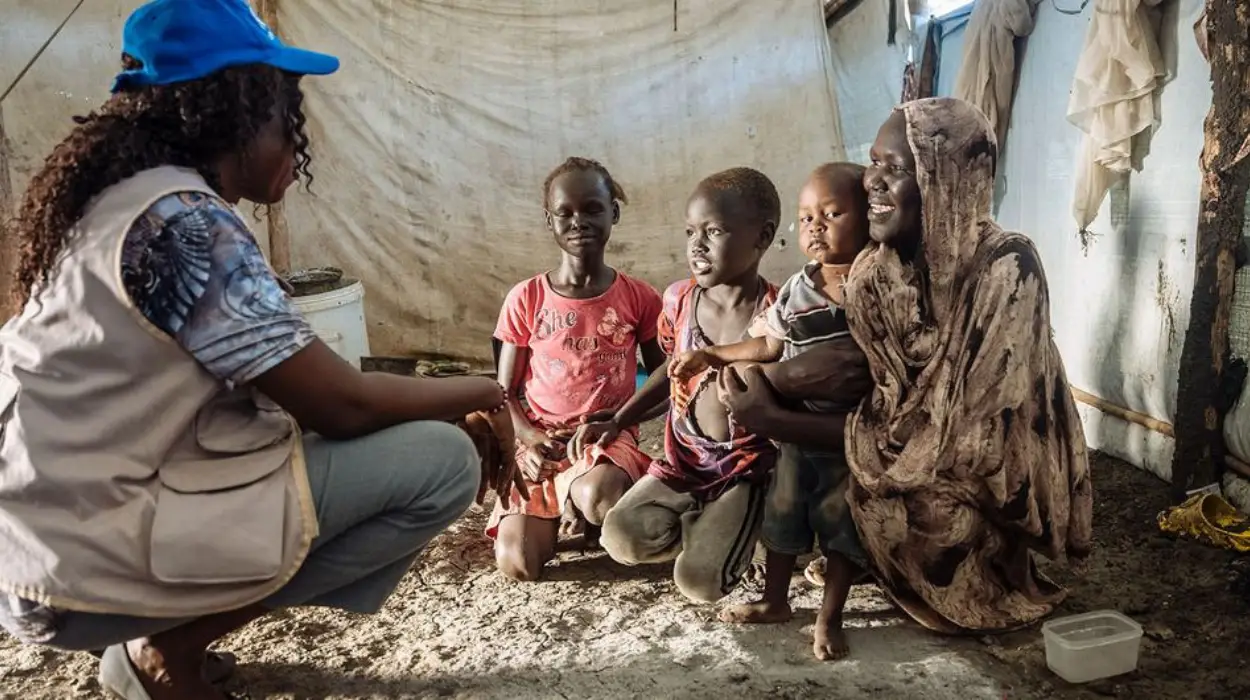
What concerns does the UN raise about the protection of Venezuelans?
United Nations High Commissioner for Human Rights Volker Turk has also appealed to all sides to act with caution and pointed to the need to respect and fully abide by international law at all turns.
“The protection of the citizens of Venezuela comes first and must guide further action,”
he emphasized.
.@volker_turk alarmed by U.S. intervention in Venezuela.
We urge everyone to exercise restraint and fully respect the UN Charter and international human rights law.
The protection of people in Venezuela is paramount and must guide any further action. https://t.co/kFYXfAGas5
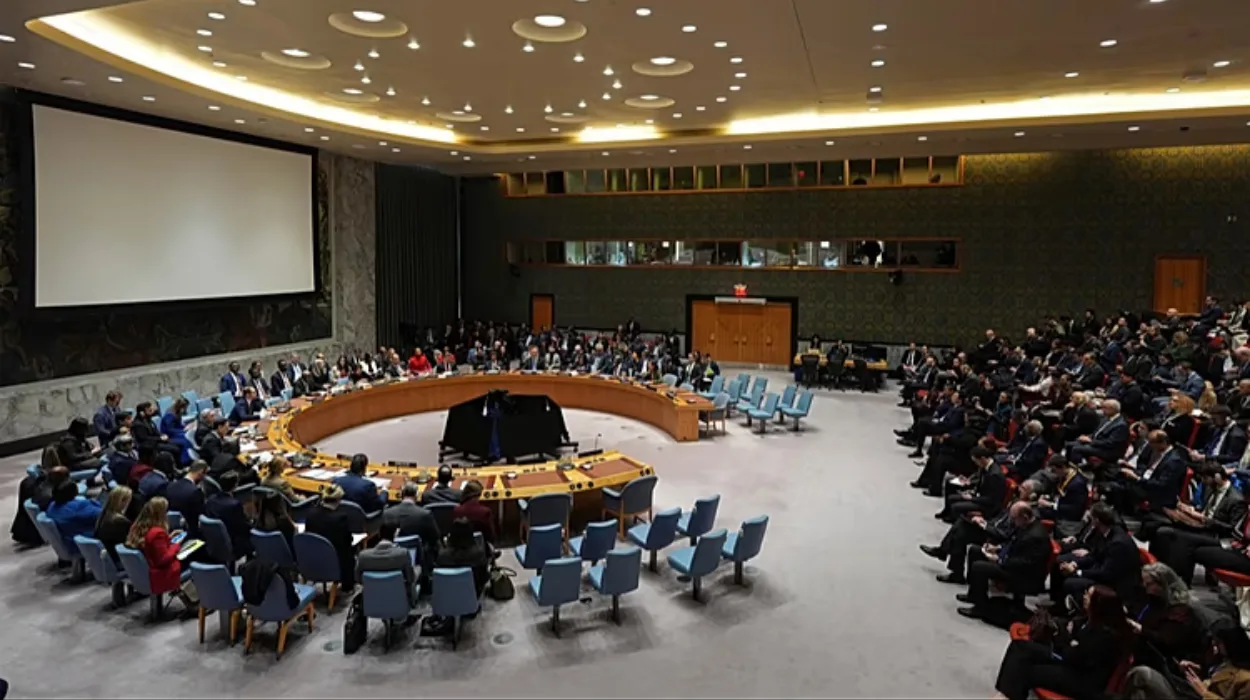
— UN Human Rights (@UNHumanRights) January 3, 2026Venezuela has called an emergency meeting with the UN Security Council and this will take place next Monday at 10:00 AM at the UN headquarters in New York. This comes at a time when global diplomatic efforts to deal with the aftermath of the operation are increasing.
What does Washington say it intends to do next?
Speaking at a press conference at his Mar-a-Lago resort in Florida later on Saturday, President Trump said the United States intended to “run Venezuela” until a “safe, proper and judicious transition” of power could be achieved.
Referring to Venezuela’s status as the country with the world’s largest proven oil reserves, Trump added that U.S. oil companies would modernise and rebuild the country’s infrastructure, claiming this would “make money for the country.” These remarks have further fuelled international concern over sovereignty, occupation and long-term political control.
Does the UN Charter allow “might makes right”?
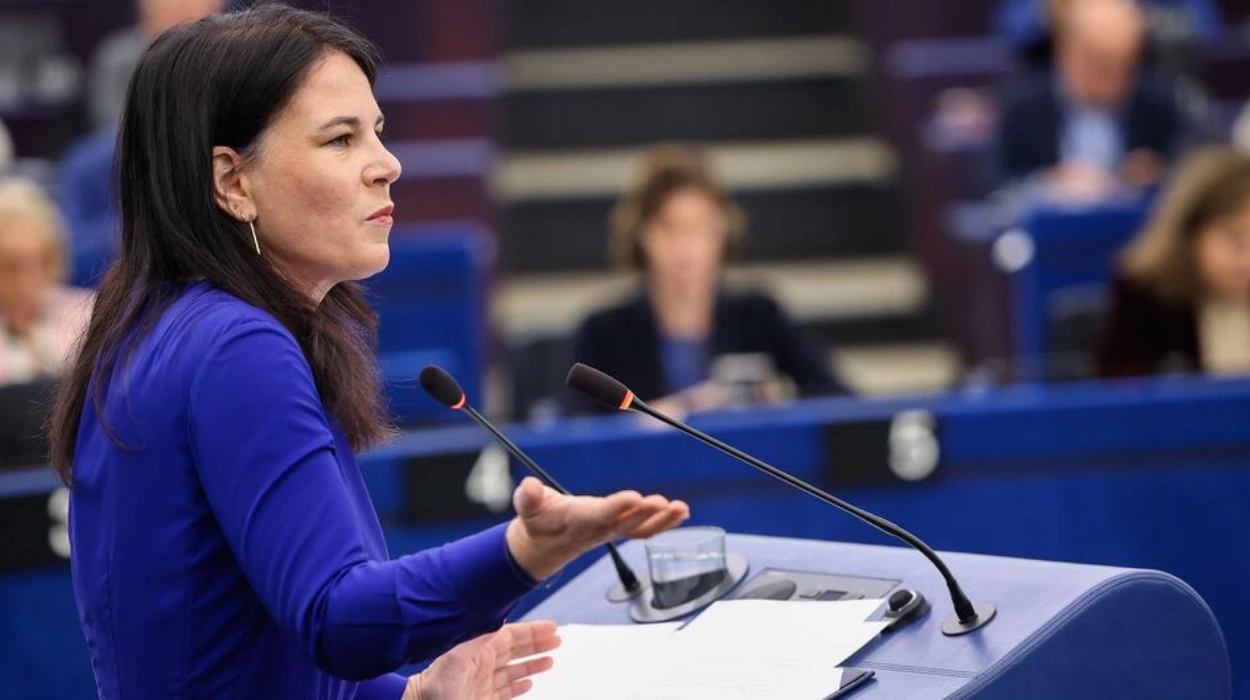
Addressing the crisis, President of the UN General Assembly Annalena Baerbock emphasized that the UN Charter must guide in the days ahead and warned it is not an “optional document.”
She referred to Article 2 of the Charter, which calls for all member states, including the United States, to refrain from the “threat or use of force” against the territorial integrity or political independence of another country.
The UN Charter is not optional—it is our guiding framework, in moments of calm and in times of crisis, like in Venezuela today, culiminating with the United States military action.
Article 2 of the UN Charter clearly stipulates that all Members of the United Nations shall…
— Annalena Baerbock (@UN_PGA) January 3, 2026“A peaceful, safe and just world for everyone is only possible if the rule of law prevails instead of might makes right,” Baerbock warned.
How is the human rights situation being reassessed amid the crisis?
The UN Independent International Fact-Finding Mission on Venezuela expressed grave concern with regard to the situation of human rights in that country after the attack by the U.S. and against President Maduro. The Mission called for accountability for long-documented abuses not to be overshadowed by the unfolding geopolitical crisis.
Marta Valiñas, chair of the investigative body appointed by the Human Rights Council, said attention must remain focused on “grave human rights violations and crimes against humanity” committed against Venezuelans, regardless of the criminal charges cited by the U.S. to justify its intervention.
What abuses has the UN previously documented in Venezuela?
Fact-Finding Mission has found evidence of abuses such as extrajudicial killings, arbitrary arrests, enforced disappearances, which are sometimes of the short term order, torture, as well as various other kinds of ill-treatment, and gender-based violence.
As the expert member Alex Neve pointed out, the reported human rights abuses committed by the Venezuelan government do not in themselves offer a reason to carry out a military intervention, as it would contradict international law.
In contrast, the illegitimacy of the military intervention as a means of resolving the conflict does not excuse the Venezuelan government from accountability for the crimes committed through its repressive behavior in the form of crimes against humanity.
Who else could be held responsible for past abuses?
Another research participant, Maria Eloisa Quintero, pointed out that accountability does not only lie with Mr. Maduro. Rather, accountability encompasses other persons who exercised command over armed forces and, in one way or another, were implicated in crimes.
The Mission warned that the declared state of emergency and Washington’s stated intention to “run” Venezuela significantly heighten the risk of further violations.
The Fact-Finding Mission reported that it is closely observing events and has appealed to Venezuelan and American authorities and to the global community at large to put human rights at the forefront of every move. With a confluence of diplomatic, legal, and humanitarian elements, this crisis is increasingly seen, not only as a political standoff, but also as a test of international legality.