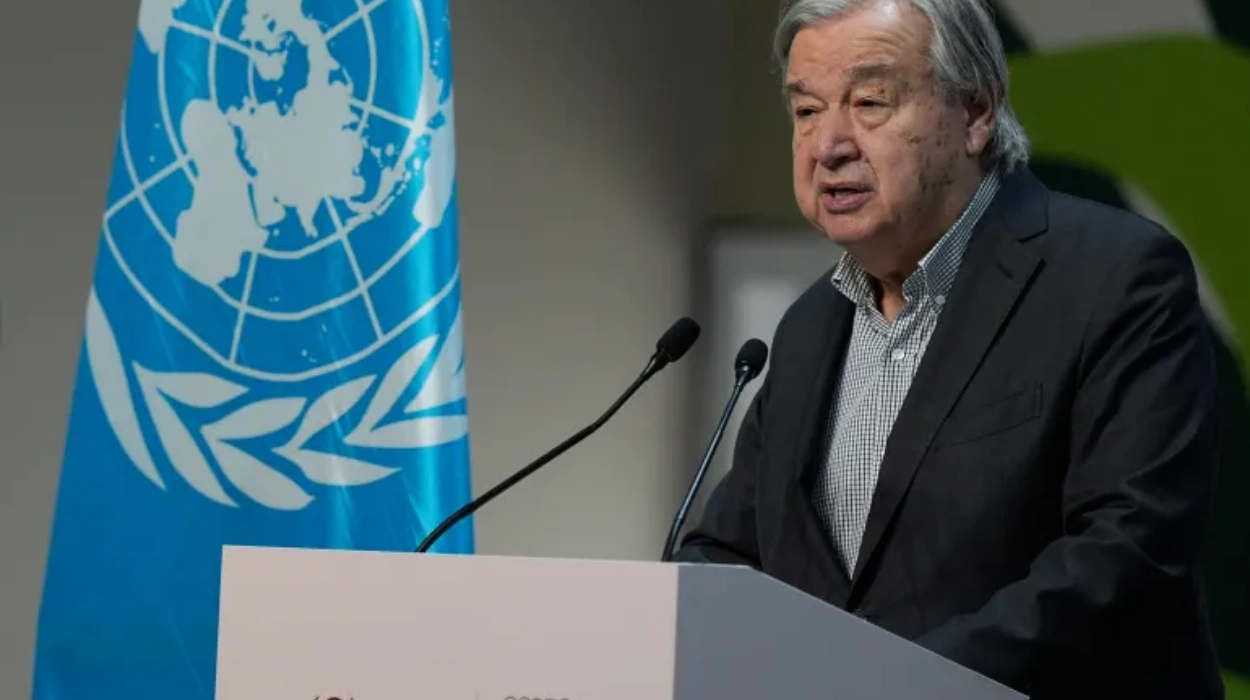
After years of living with a difficult relationship, the United Nations has found itself at a dead end in its relationship with the Houthi movement in Yemen. After a year of suspended or severely curtailed humanitarian activities in Houthi-controlled territory, the UN has now admitted that the minimum conditions necessary for neutral and safe humanitarian activities are no longer in place.
As reported by Asharq Al-Awsat, the breakdown in engagement has been the result of a systematic repression of the UN agencies, including arrests of personnel, seizure of assets, and even interference in humanitarian activities. The current state of affairs has led to a drastic measure being taken by the World Food Programme to close down its operations in Sanaa and let go its remaining staff.
The World Food Programme’s Withdrawal: A Turning Point
The WFP’s withdrawal from Houthi-controlled territory represents the most critical split to date between the UN and the de facto Yemeni government. The WFP, the UN’s largest humanitarian agency in Yemen, has been providing food assistance to millions of people in a country where food insecurity is one of the highest in the world.
Prior to the suspension, the WFP’s assistance had been benefiting about 13 million people in Yemen every month, according to UN statistics. About 12 million of these people live in Houthi-controlled territory.
The decision to withdraw was not sudden. UN sources cited a long pattern of violations, including:
- Forced interference in beneficiary selection
- Restrictions on staff movement and access
- Seizure of warehouses, offices, and communications equipment
- Pressure to share sensitive operational data
- Attempts to politicize aid distribution along security and loyalty lines
These practices directly undermined the humanitarian principles of neutrality, independence, and impartiality, leaving agencies unable to guarantee that aid was reaching civilians rather than reinforcing war-time patronage networks.
Criminalization of Humanitarian Work
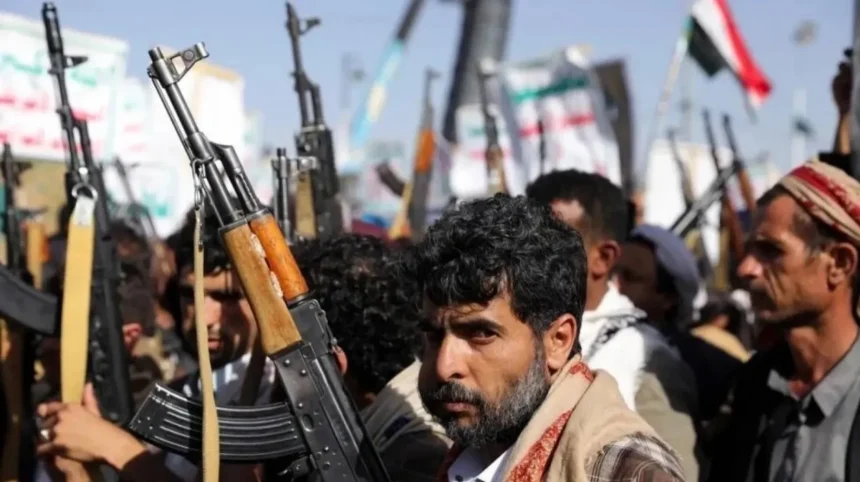
In the past year, the Houthis have stepped up their attacks on international organizations by detaining dozens of local employees of the UN and NGOs for espionage on behalf of the United States and Israel, which the UN has termed baseless and politically motivated.
The raids on UN offices in Sanaa escalated towards the end of 2024 and the beginning of 2025, culminating in the confiscation of assets of at least six UN agencies, including WFP. This effectively criminalized humanitarian work and served as a chilling warning to other humanitarian actors.
Despite this, WFP continued for more than a year to:
- Pay salaries to detained or banned staff
- Maintain rent payments on seized buildings
- Engage in prolonged negotiations to secure staff releases and asset recovery
UN officials say this patience reflected concern for civilian suffering, not acceptance of Houthi conduct. Ultimately, however, the security and administrative environment deteriorated beyond salvage.
The Humanitarian Cost of Obstruction
Yemen remains one of the world’s gravest humanitarian crises. According to UN data:
- Over 18 million people require humanitarian assistance
- More than 5 million are acutely malnourished
- The country imports 90% of its food, leaving civilians vulnerable to disruptions
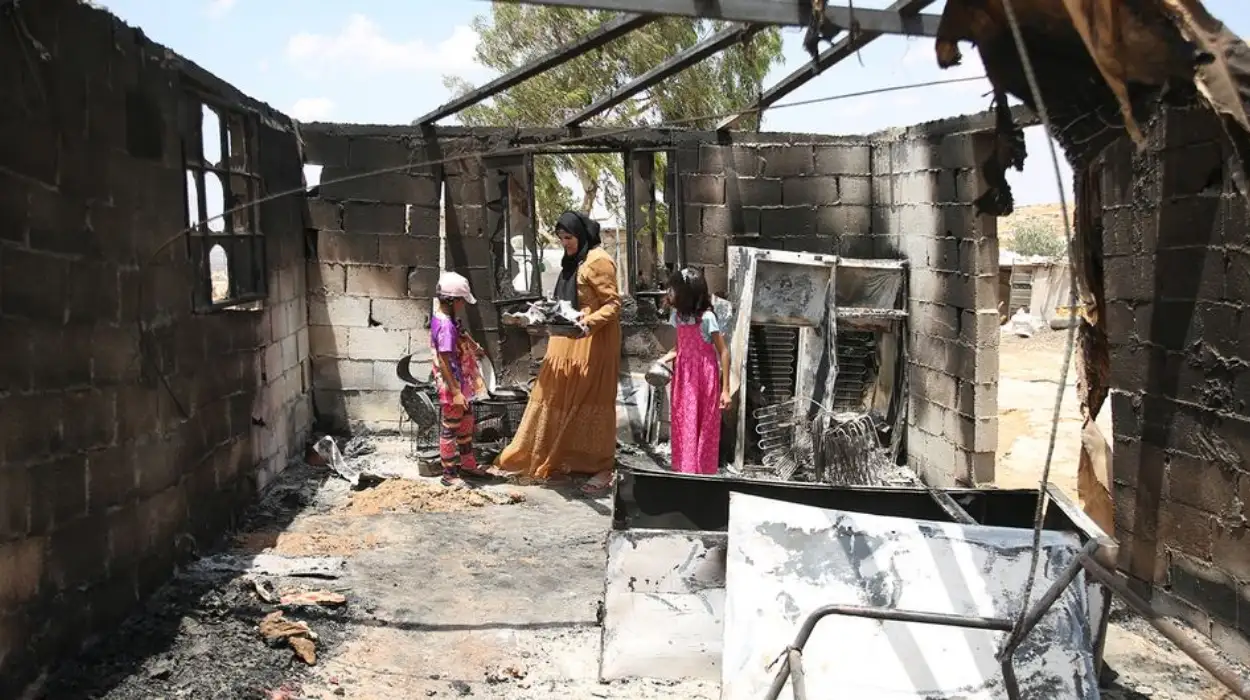
Through their acts of obstructing relief efforts, the Houthis have effectively exacerbated the plight of people who have been devastated by nearly a decade of war. Floods and climate change-related disasters in the past two years have further heightened dependence on emergency relief, which has been cut significantly in Houthi-controlled areas.
UN officials have warned that if there is no viable way for them to work independently, the humanitarian situation in northern Yemen could worsen to levels not witnessed since the peak of the war in 2018-2019.
Defiance of International Pressure
The UN Security Council has repeatedly intervened. Resolutions adopted in 2025 and 2026 demanded that the Houthis:
- Provide a safe working environment for humanitarian actors
- Release all detained UN, NGO, and diplomatic staff immediately and unconditionally
- Respect international humanitarian law
The Houthis have ignored these demands. Instead, they have called for a renegotiation of the UN’s presence agreement in Yemen — a framework dating back to the 1960s — widely seen by diplomats as an attempt to formalize political control over international operations.
Aid as Leverage, Not Neutral Assistance
The stalemate is part of a larger Houthi tactic of leveraging humanitarian access, which has been observed by UN panels of experts and human rights groups over several years. Control of humanitarian flows means more than just access to resources; it also means political legitimacy in the territories they control.
The Houthis seem to be ready to take the humanitarian hit in exchange for greater control and ideological supremacy, for which civilians are at the center of the equation.
A Grim Precedent for Humanitarian Action
The UN’s withdrawal from Sanaa highlights the disturbing truth that even the world’s biggest humanitarian network has its limits when faced with armed groups that defy international standards.
Unless the Houthis change their minds and return to their previous position of releasing their detained staff, returning their seized assets, and allowing independent humanitarian access, millions of Yemenis will suffer from worsening levels of hunger and deprivation, and the international community will be left with a rapidly shrinking space for humanitarian action in one of its longest-running crises.
The crisis is more than just an operational one. It is a warning sign about the disregard of humanitarian principles in contemporary conflict, and the cost in human lives when humanitarian action becomes a new front line.