The counter-terrorism field experiences a fundamental shift because of data and digital infrastructure, and advanced technological systems. Large-scale data collection, algorithmic analysis, artificial intelligence, and cross-border information sharing systems have become essential tools for governments to detect and prevent terrorist activities and dismantle their operational networks. The tools have improved operational reach and speed, but they create new challenges for privacy protection, data security, and human rights compliance on an international level.
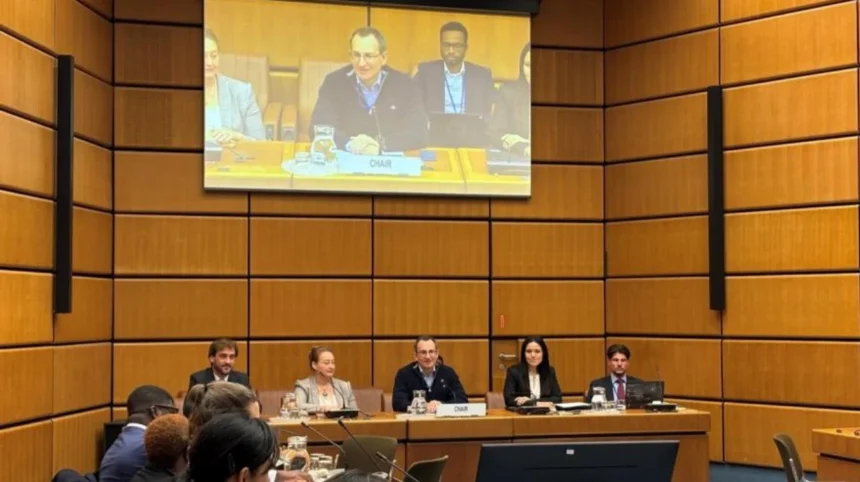
The United Nations Expert Group Meeting (EGM) Vienna session of 13–14 November 2025 demonstrates that counter terrorism success needs both advanced technology, legal support, and international trust.
Victims must be at the centre of any response to terrorist violence.@UNODC & @UN_OCT hosted an Expert Meeting on comprehensive assistance plans for victims of terrorism
Thanks to ?? ?? ??
Read more: https://t.co/rwDt6uEhdZ pic.twitter.com/xrP7wUEsP8
— UNODC Terrorism Prevention (@UNODC_TPB) December 22, 2025How has data-driven security transformed counter terrorism practices?
Over the past two decades, counter-terrorism strategies have shifted from predominantly human-intelligence-based models to systems heavily reliant on digital surveillance and data analytics.
The CTED assessment shows that most UN Member States use biometric or algorithmic systems for border control and terrorism detection operations. Financial intelligence units use big data analysis techniques to detect terrorist financial activities, which spread through digital currency systems and virtual asset platforms.
These developments have enhanced early-warning capabilities. They have improved the detection of transnational networks operating across jurisdictions. The advancement of these tools has created various legal and ethical problems.
Why has privacy emerged as a strategic issue in counter-terrorism?
The UN human rights mechanisms have issued multiple warnings about how excessive or unregulated surveillance destroys public trust and social unity. These extremist groups then use it as fuel for their activities.
International human rights law protects the right to privacy, but this protection faces serious threats from modern technologies that collect large amounts of data and perform predictive analysis. The lack of defined legal standards, together with missing oversight systems in this situation, leads to higher abuse risks while making international cooperation more challenging. States refuse to share sensitive data with partners who operate under legal frameworks that do not provide sufficient protection and lack proper accountability systems.
What lessons can be drawn from previous UN-led initiatives?
The Vienna EGM builds on a long trajectory of UN engagement at the intersection of security and human rights. The previous projects exposed ongoing structural deficiencies, which the present initiative aims to resolve.
? #UNAOCriyadh2025 Thematic Session 6: Harnessing Partnerships to Prevent & Counter Terrorism ?
? A whole-of-society approach is key to preventing & countering violent extremism. Partnerships with communities, faith leaders, and civil society build trust and resilience. pic.twitter.com/I2hbnm06nD
— UNAOC – United Nations Alliance of Civilizations (@UNAOC) December 18, 2025CTED’s global surveys in the early 2010s identified fragmented data protection regimes as a major barrier to information sharing. The 2018 UN Headquarters counter-terrorism agency heads meeting, together with other major conferences, stressed that privacy protections must become an integral part of security systems during their initial design phase. Experts now discuss artificial intelligence and counter-terrorism operations because they establish that hidden algorithms and unregulated automated systems produce dangerous results.
The entire process demonstrated that normative guidance leads to insufficient results. What has been lacking is a practical, legally grounded toolkit that states can adapt to national contexts while remaining aligned with international standards.
What did the Vienna expert group meeting seek to achieve?
UNODC’s Roberto Arbitrio started the meeting by explaining how terrorists now use advanced technology through drones, encrypted platforms, virtual assets, and online gaming environments. His statements supported the position that security innovation needs to be paired with modern legal and ethical protection systems.
Can data protection enhance rather than undermine security cooperation?
The Vienna discussions revealed that data protection should function as a security cooperation facilitator instead of creating barriers. The participants agreed that states would share information more effectively when they establish clear legal frameworks and independent oversight systems with enforceable safeguards.
Comparative experiences support this assessment. The European Union courts have performed judicial reviews on data retention and passenger data systems, which resulted in systems that operate within defined limits and comply with legal standards. The Malabo Convention in Africa shows that regional data protection standards can work together with security cooperation when political determination meets institutional strength.
The Compendium under development seeks to convert these lessons into legal provisions. These can be adapted to different situations while protecting national sovereignty and enabling interoperability and mutual trust.
How does cross-border data sharing remain a persistent challenge?
The United Nations Security Council has issued numerous mandates for improved collaboration but cross-border data sharing continues to face irregular political barriers. Different standards regarding data retention periods and judicial authorization, and consent, and misuse remedies create obstacles that stop or delay cooperation in time-sensitive terrorism investigations.
The current problems intensify because of political conflicts and different views about privacy protection and national security. The Vienna EGM recognized that harmonization does not need total uniformity. Yet it requires baseline common standards which must follow international legal principles.
Why are human rights central to long-term counter-terrorism effectiveness?
The UN Global Counter-Terrorism Strategy bases its core principle that protecting human rights and following legal systems protects effective counter-terrorism operations. Security institutions face legitimacy challenges and public support loss because their rights violations have become evident through historical events like post-9/11 surveillance programs and recent spyware scandals.
States achieve legal risk reduction, accountability improvement, and societal protection against extremism through the implementation of data protection and privacy safeguards in their counter-terrorism frameworks.