Should the Iranian Islamic Republic break apart or collapse, one of the first global institutions that would feel the tremors would be the United Nations. Not because the UN has morally opposed the oppression in Iran, but because it has fait accompli’d to adapt itself in order to coexist.
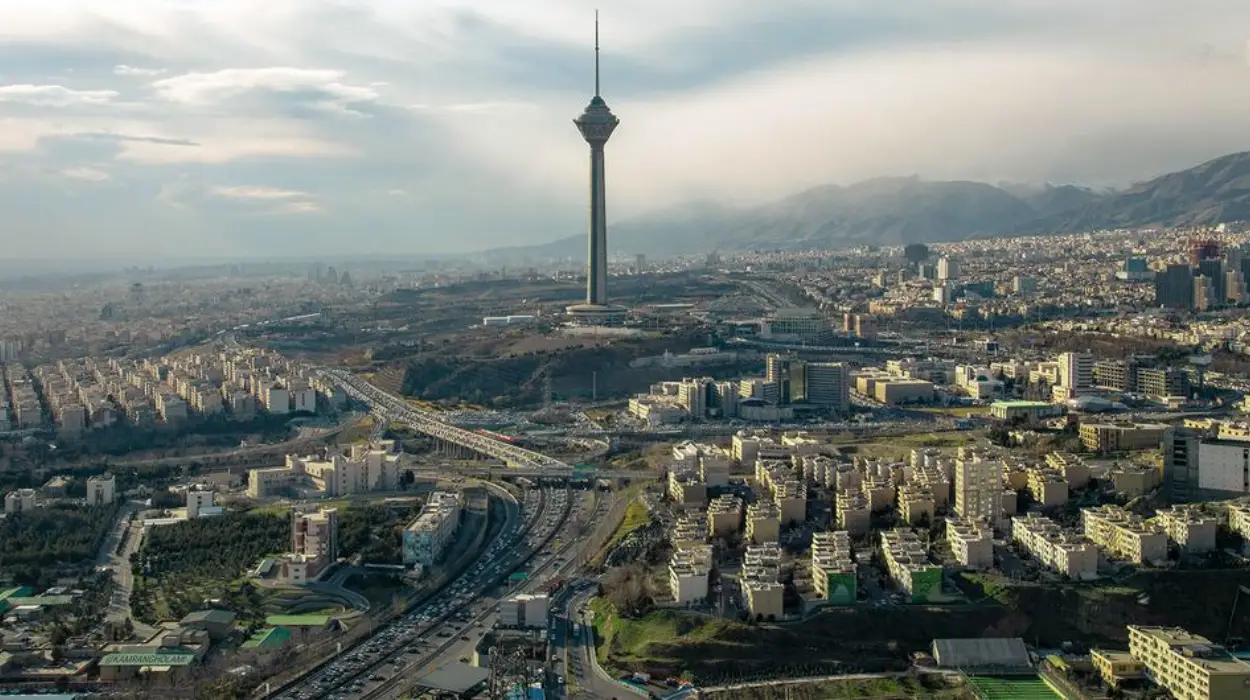
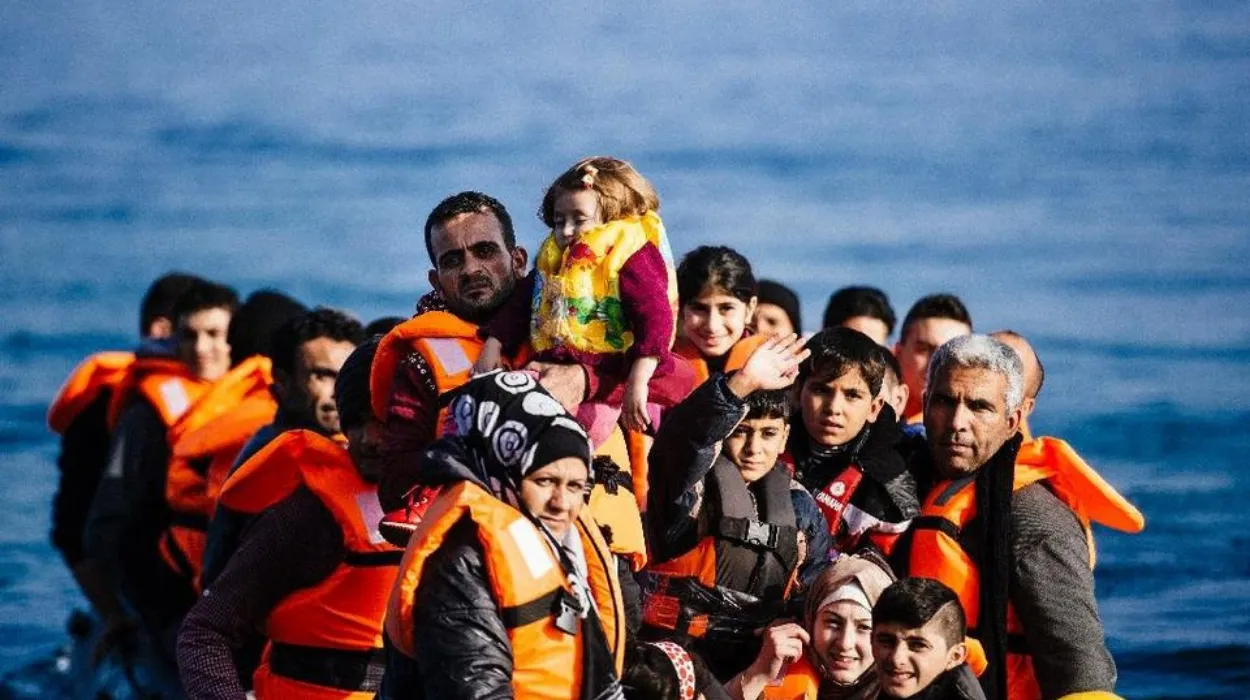
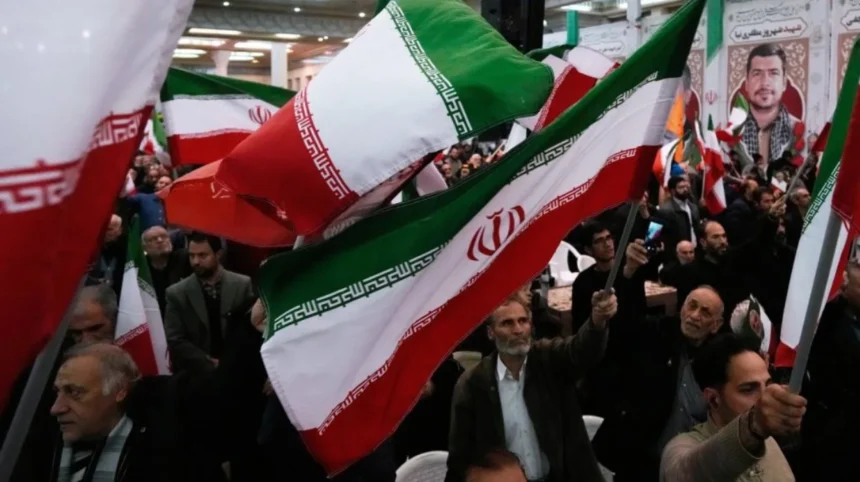
The appalling photos smuggled out of Iran in recent months—the morgues filled with bodies, the midnight burials in mass graves, and families in grief hushed in fear—are getting through even the thickest story lines about a necessary regime.
According to human rights organizations, several hundred demonstrators have died since the outbreak of renewed violence, and the number of executions has reached a multi-year peak. The majority of the latter are ethnic minorities and political opponents.
However, the outrage has not led to joint global action. With President Donald Trump contemplating military strikes and with warnings from NATO countries in response to the brutality displayed in Iran, the natural reaction might be that the Iranian regime is suddenly isolated. However, the reality is that the repressions in Iran are in fact being made possible through a global system that is losing patience with the unpredictability of democracy.
Western outrage meets global indifference
The proclamations from Washington, Brussels, and the UK are loud but shallow. In the rest of the world, beyond the so-called Western camp, the math looks very different indeed. Many countries gauge Iran’s suffering citizenry not from a human rights perspective, but from an energy perspective.
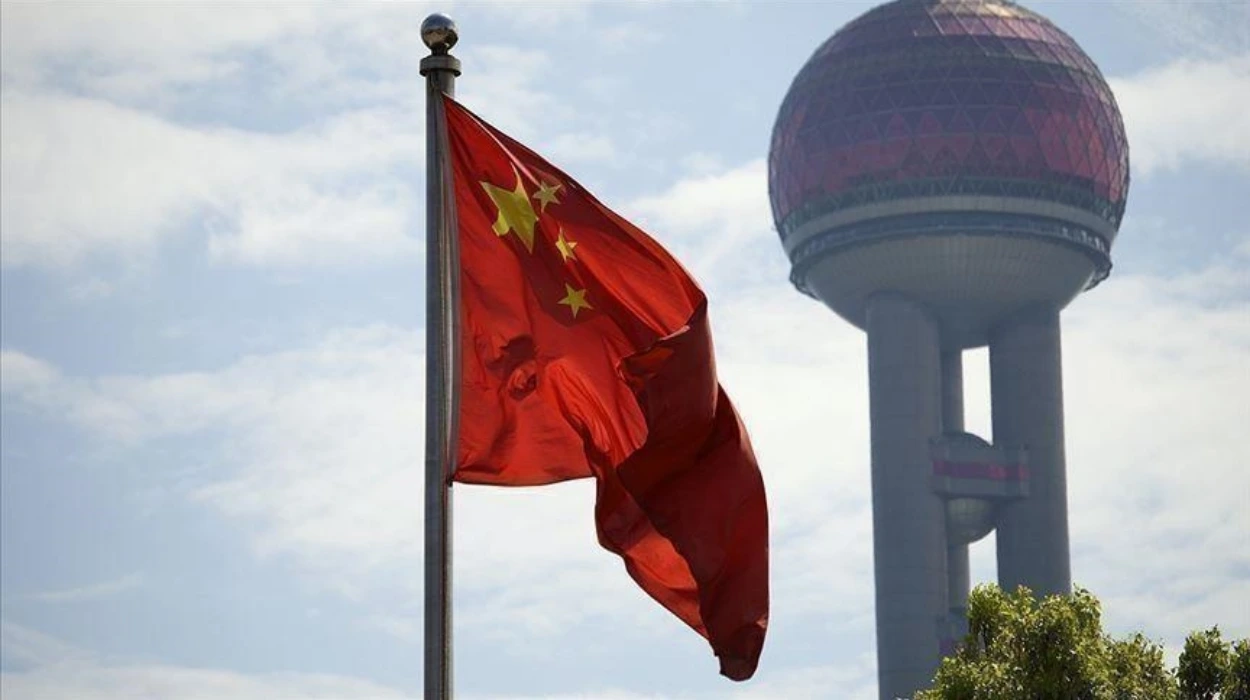
While Iran’s closest predicted protectors, such as Russia and China, are benefiting outright from Iran’s continued isolation, Tehran has been forced to sell its petroleum products to various nations, including China, which is now receiving around 25 percent of Iran’s total petroleum exports, a factor that has become critical in light of Venezuela’s instability.
For Beijing, a sanctioned Iran is a captive energy supplier. For Moscow, it is a geopolitical asset. A repressive Iran helps Russia keep energy-rich Central Asian states like Kazakhstan constrained, limiting their access to Western markets and reinforcing Moscow’s dominance over regional energy routes. Neither power has any interest in an Iran that might rejoin the global economy on transparent, democratic terms.
A weakened Iran, and a vanishing Arab appetite for change
Ironically, Iran’s waning strength in the region has lessened the willingness in the Arab monarchies regarding a strong push against the Islamic Republic. Its proxy forces, Hamas, Hezbollah, etc., have been severely dealt blows. Bashar al-Assad’s hold on Syria has been severely eroded. The Islamic Republic’s dreaded regional defense is visibly unraveling.
Trump’s decisive intervention in the 12-day regional war that took place in June further assuaged theseConcerns of the Gulf states, and Saudi Arabia and the United Arab Emirates are no longer fearful of Iranian-led Shiite uprisings in their territory. However, what worries Saudi Arabia and other Gulf states today is an Iranian threat of a totally different kind, and one that is very dangerous indeed—a democratic Iran.
A pluralistic, accountable Iran could embolden reformist movements across the Gulf. An isolated, discredited theocracy, by contrast, serves as a cautionary tale—proof, in the eyes of regional rulers, that dissent leads only to chaos.
Turkey, Pakistan, and the fear of ethnic contagion
Beyond the Arab world, Iran’s internal unrest is viewed through an ethnic and territorial lens. Turkish President Recep Tayyip Erdo?an loudly champions Palestinian self-determination while relentlessly suppressing Kurdish aspirations at home and abroad. Turkish forces have actively assisted Damascus in dismantling Kurdish autonomy in northern Syria.
Iran’s Kurdish minority—estimated at 8 to 10 million people—has played a central role in protests. Any political breakthrough in Tehran that granted Kurdish autonomy could ignite demands among Turkey’s own Kurdish population, which numbers nearly 15 million. For Ankara, stability in Iran—even brutal stability—is preferable to precedent-setting reform.
Pakistan harbours similar anxieties. Cross-border ethnic ties link Iran’s unrest to Pakistan’s Baloch regions, already plagued by insurgency and economic marginalisation. Islamabad fears that successful mass mobilisation in Iran could embolden separatist sentiments at home.
None of these states will openly defend Tehran’s repression. But all quietly work to prevent its collapse.
Why the United Nations looks away
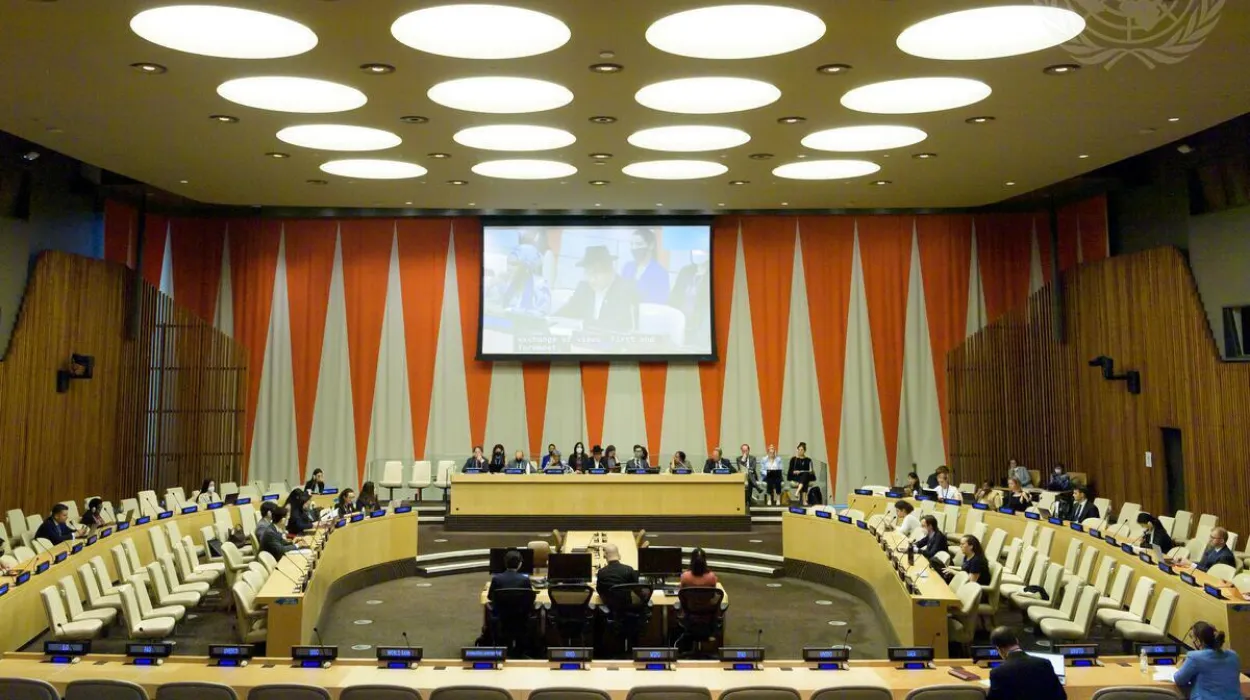
This convergence of interests helps explain the United Nations’ striking silence. Despite overwhelming evidence of abuses, the UN has limited itself to procedural statements and cautious appeals. No emergency sessions with teeth. No binding resolutions. No serious accountability mechanisms.
The reason is as political as it is financial. As Trump withdraws the United States from UN sub-agencies and slashes funding, Secretary-General António Guterres increasingly depends on financial support from Gulf monarchies and cooperation from authoritarian states to keep the institution operational. The result is an uncomfortable trade-off: institutional survival over moral clarity. Human rights become negotiable; repression becomes a diplomatic inconvenience rather than an emergency.
The lure of a US–Iran bargain
Tehran, meanwhile, may be betting that repression at home can be offset by concessions abroad. A deal with Trump—abandoning nuclear ambitions and scaling back regional proxies in exchange for regime survival—remains plausible.
The Venezuelan precedent looms large. After US pressure decapitated key figures around Nicolás Maduro, Washington tacitly accepted the regime’s continuation under monitoring. Venezuela remains authoritarian, but strategically manageable.
For Iran’s leadership, this model is appealing: sacrifice external ambition to consolidate internal control. For Washington, it offers a way to neutralise threats without the risks of regime change.
A tragedy deferred, not avoided
The greatest losers in such a bargain would be ordinary Iranians. From Washington to Riyadh, from Moscow to Beijing, too many actors prefer the predictability of dictatorship to the uncertainty of transformation. UN bureaucracies, too, find it easier to cooperate with entrenched
regimes than with revolutionary governments demanding accountability.
This is not merely a moral failure—it is a strategic gamble. Stabilising the ayatollahs after a period of unrest could allow their revolutionary ambitions to re-emerge once pressure fades.
Caution is warranted. The catastrophes of Iraq and Libya are stark warnings against reckless regime change. But caution must not become an excuse for legitimising tyranny.
Cutting a deal that entrenches the Islamic Republic while crushing popular aspirations risks sowing deeper resentment—resentment that will one day return with greater force and fewer illusions.
History suggests that postponed justice does not disappear. It accumulates.
Avoiding another Bush–Blair-style intervention is wise. But sacrificing Iranian hopes on the altar of geopolitical convenience would be a far more enduring mistake—one whose consequences may yet come back to haunt those who made it.