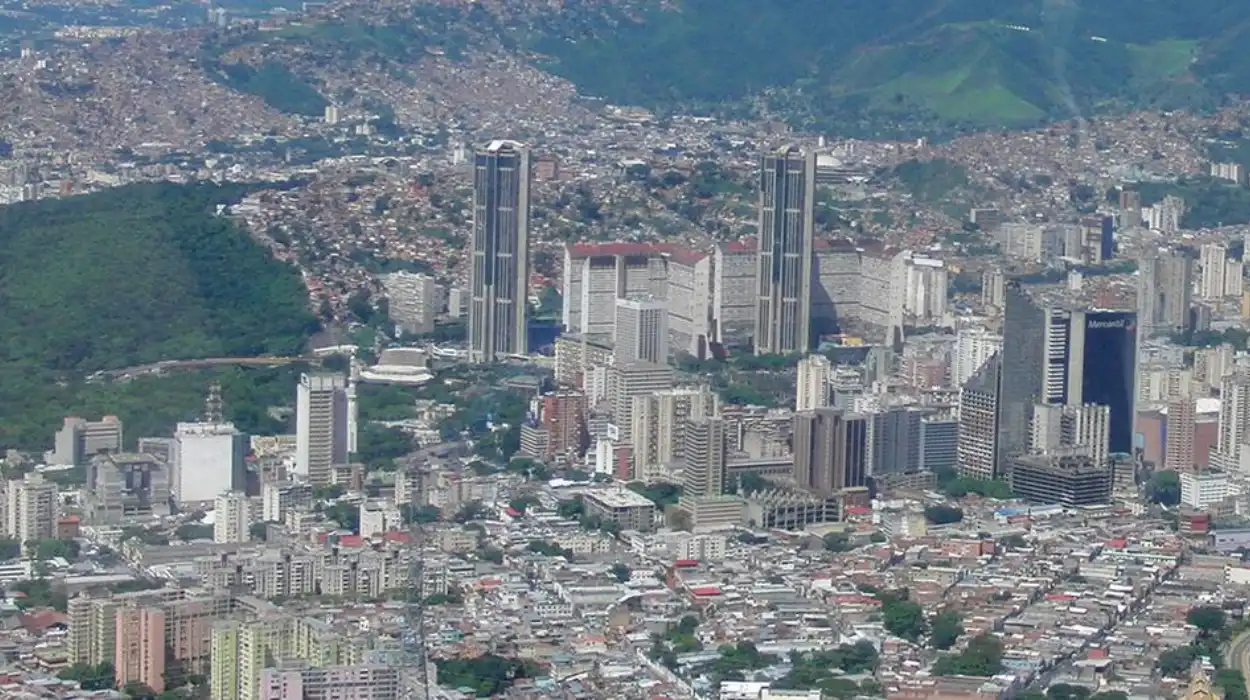
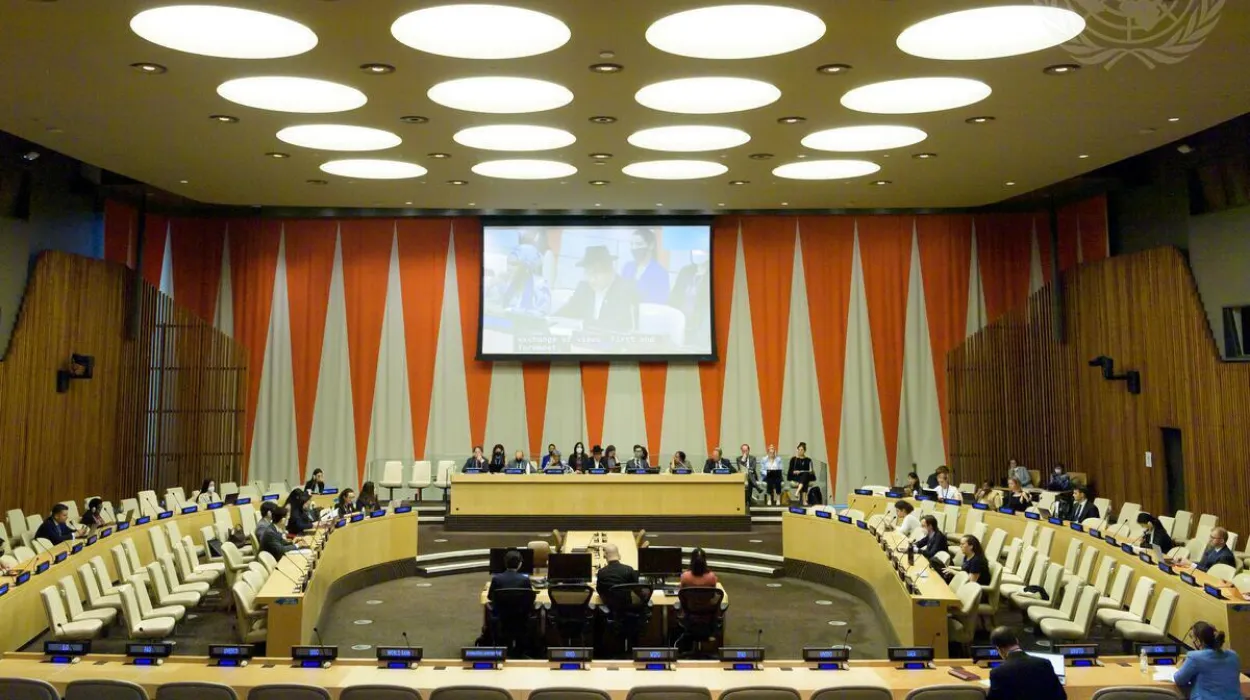
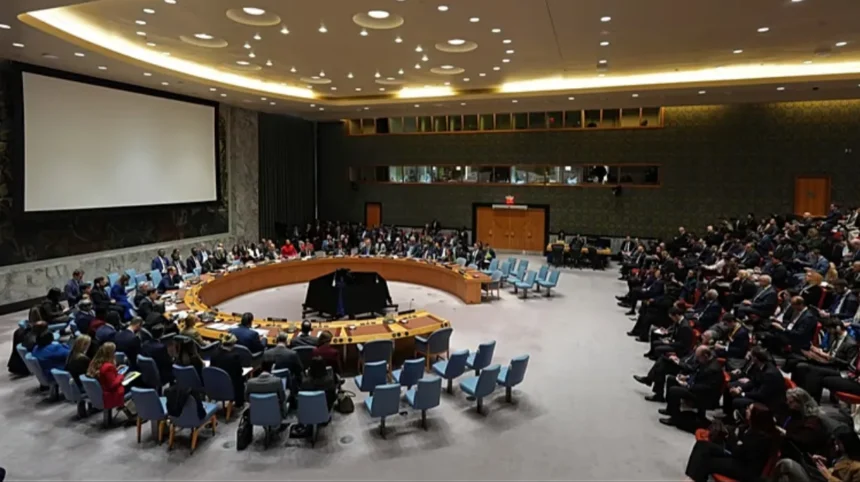
The world was left startled as countries throughout the world voiced their strong objections at the UN following an dramatic intervention ordered by US President Donald Trump in Caracas, prompting an emergency meeting at the UN Security Council (UNSC).
At the forefront of the debate was the so-called kidnap of Venezuelan President Nicolás Maduro and his wife, Cilia Flores, by US special forces, an event that even US allies warned had set a perilous strategic precedent in respect to the violation of international norms.
Some members of the council also expressed their concern over the declarations made by Trump regarding the extension of such military actions to any country in South America, such as Mexico or Colombia, to eradicate the problem of drugs.
Following #US strikes on Caracas and the seizure of President Maduro, the UN Security Council is divided.
Some Member States argue the action was justified; others warn it risks normalising unilateral force and eroding state sovereignty.
?https://t.co/Jah1ZaTQ0v pic.twitter.com/wznRaoBDx2
— United Nations Geneva (@UNGeneva) January 6, 2026Why did the UN Security Council convene an emergency session?
The urgent Security Council, consisting of 15 members, convened in New York on Monday in the face of growing international concern regarding the operation conducted by the US in Venezuela. The gravity of this emergency Security Council session was indicated by the fact that President Maduro, as well as the first lady of Venezuela, was to appear in a court in New York on the same day, charged with drug trafficking.
Opening the debate, Secretary-General of the United Nations, António Guterres, made the salient point that the United Nations is able to maintain the peace only if all of its member states honor the United Nations Charter. These words encapsulated what many in the United Nations felt would be a vastly divided debate.
How did the United States justify its actions in Venezuela?
The US envoy, Mike Waltz, described the move as a “surgical law enforcement action” in response to accusations of disregarding international law. During a Security Council briefing, Waltz condemned the council’s misplaced indignation regarding the targeting of President Maduro, who he termed an illegitimate leader.
“If the United Nations in this body confers legitimacy on an illegitimate narco-terrorist with the same treatment in this charter of a democratically elected president or head of state, what kind of organisation is this?” Waltz asked.
He insisted that there is an assumption that Maduro does not possess democratic legitimacy in Europe and North America due to supposed irregularities surrounding Venezuela’s 2024 presidential election, although many countries and even the European Union considered it to be fraudulent.
What accusations did Venezuela level against the United States?
Venezuela’s UN Ambassador, Samuel Moncada, issued a press statement that vigorously responded to the US threat. Moncada claimed that Washington had conducted an illegal military attack against his country. According to his statement, US military forces bombed Venezuela’s landmass, killing civilians and military personnel, as well as kidnapping President Maduro and his wife, Cilia Flores.
“We cannot ignore a central element of this US aggression,” Moncada told the Council. “Venezuela is the victim of these attacks because of its natural resources.”
In urging action by the Security Council on the authority of the mandate set out in the Charter, Moncada called on several initial actions: that the US be called on to respect the immunity of the president of Venezuela and first lady, and ensure their safe return; that force directed against Venezuela is to be strongly condemned; that it is essential to reaffirm once more that territory or resources shall not be gained by force, and that appropriate actions be taken to reduce tensions, protect civilians, and ensure respect for international law.
How did Russia and China respond to the US intervention?
Russia and China delivered some of the strongest criticism during the session, characterising the US action as outright armed aggression. Both warned that normalising unilateral force would undermine the foundations of the international system.
Moscow and Beijing called for the immediate release of President Maduro, stressing the inviolability of head-of-state immunity under international law. They framed the crisis as a test of whether the UN Charter applies equally to all nations or selectively to weaker states.
Russia’s ambassador, Vassily Nebenzia, accused Washington of appointing itself as a global enforcer above the law. The US, he said, cannot “proclaim itself as some kind of a supreme judge, which alone bears the right to invade any country, to label culprits, to hand down and to enforce punishments irrespective of notions of international law, sovereignty and non-intervention.”
Why did countries beyond the Americas also voice concern?
The criticism extended well beyond Latin America. Countries such as South Africa, Pakistan, Iran and Uganda warned that selective enforcement of international law threatens to hollow out the UN’s collective security framework.
These states cautioned that if powerful nations are allowed to bypass multilateral institutions and act unilaterally, the credibility of the entire international legal order is at risk.
How did US allies balance criticism with concern over Venezuela’s crisis?
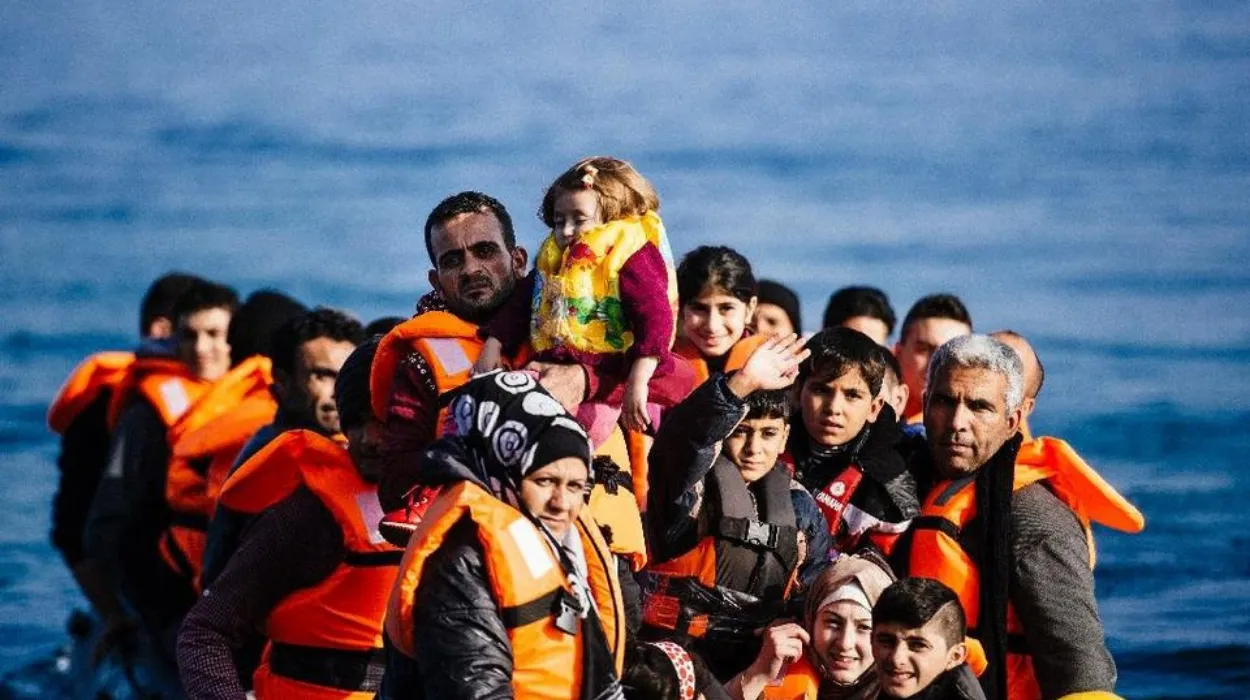
Even some traditional US partners expressed a tone that was both cautious and critical. The United Kingdom emphasized “the suffering that Venezuelans have endured for so many years” that included poverty, repression, and “such massive, forced displacements,” while still underlining “respect for the United Nations Charter, for the rule of law, as a bedrock requirement for international peace.”
Denmark and France agreed the fight against organized crime and the defense of human rights, but made it clear that the struggle against drugs should take place within the framework of international law. Denmark, an established US security partner, made the following comment: ‘No state should seek to influence political outcomes within Venezuela through the use of threat of force or through other means not consistent with international law.’
“The inviolability of borders is not up for negotiation,” Denmark’s ambassador Christina Markus Lassen told the Council—remarks widely interpreted as an oblique reference to Trump’s earlier threat to annex Greenland, a self-governed Danish territory.
Why did Latin American countries warn of regional destabilisation?
Nations in the region, such as Colombia, Brazil, Mexico, Chile, and Panama, emphasized the long-held identity of the region as the zone of peace in the Americas. They argued that the use of unilateral military force could destabilize the West Hemisphere.
Colombia, addressing the Security Council in its first speech since its election as a non-permanent member, disavowed “any unilateral use of force” and noted that civilians pay the highest price when force escalation becomes an option.
Brazil said the bombing of Venezuelan territory and the seizure of a sitting head of state crossed an “unacceptable line,” warning that such actions erode multilateralism at a time when global cooperation is already under strain.
Mexico stressed that externally imposed regime change violates international law regardless of political disagreements. Its ambassador, Hector Vasconcelos, said the Security Council has an “obligation to act decisively and without double standards,” emphasising that it is for “sovereign peoples to decide their destinies.”