The commitment of $2 billion in humanitarian aid offered this week by the United States was hailed as a “bold and ambitious” step in a time of unprecedented need in the world. But there are concerns among aid professionals that it could also be a turning point in which the credibility of the humanitarian system comes even more under the control of the United States.
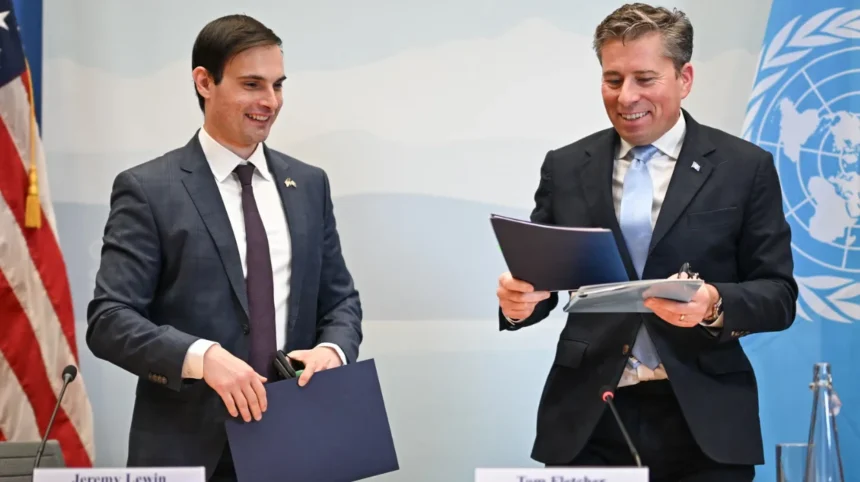
Important 2bn USD contribution to humanitarian action from US.
Vote of trust in @iascch Humanitarian Reset: faster, leaner, prioritised, and closer to people on front lines of emergencies.
We are setting out to save 87m lives in 2026. pic.twitter.com/I5kRwC6hZu
— Tom Fletcher (@UNReliefChief) December 30, 2025In 2025, international humanitarian appeals were pegged at a record high of $52.5 billion, but only 43% of this figure, or $22.5 billion, was raised by mid-year, creating a shortfall of $30 billion, which was further worsened by cuts from contributors. The US provided 14.6% of humanitarian contributions of $23.22 billion, which was composed of $3.38 billion from the US, although voluntary contributions remained at 8-10 billion, despite cuts of 5 billion from foreign assistance, as well as 1.5 billion unpaid UN peacekeeping contributions.
2025 tested humanitarian action like never before.
Flexible funding made the difference – supporting rapid scale-up in Gaza, access in Sudan and early action ahead of Hurricane Melissa.
This is the impact of @UNOCHA, @UNCERF and @CBPFs – and of donors who #InvestInHumanity. pic.twitter.com/xZjWdCK7JG
— UN Humanitarian (@UNOCHA) December 31, 2025Why is the US pledging new aid after a year of deep cuts?
The pledge comes against the background of drastic cuts in funding for aid organizations by the US and European governments, which had no choice but to close down operations, let go of personnel, and cut back on lifeline activities. By 2025, the gap in humanitarian funding had topped $25 billion.
Funding cuts + inflation = a deeper gap in humanitarian aid capacity.
The same dollar figure corresponds to less money in real terms.
? Inflation reduces humanitarians' ability to help.
Support humanitarian action: https://t.co/eSiF1Ell8a pic.twitter.com/HMVhMNsXpW
— UN Humanitarian (@UNOCHA) December 26, 2025Big donors dramatically cut back allocations: US (-81%, since 2022 peaks), Germany (-76%, since peaks in 2022), Saudi Arabia (-41%, since peaks in 2022), Sweden (-38%, since peaks in 2022), and Japan (-35%, since peaks in 2022), leaving UN bodies such as WFP (upporting 120 million in food assistance) and UNHCR (assisting 120 million uprooted) cut their services by 20-30%, lay off over 10,000 employees, and close operations in 15 countries.
The UN appeals for $23 billion for support to 87 million people in 59 countries in 2026, to which the pooled funds contribution channel, led by OCHA, will allocate the US $2 billion to 17 prioritized countries (includes Sudan, Syria, Haiti, Ukraine, DRC, Bangladesh), excluding Afghanistan, Sudan, and Gaza,
Does the $2bn pledge really strengthen the humanitarian system?
Although the funding source provides a temporary reprieve to the UN system, the strings attached to the deal may be a problem in the long term in the sense that it could hinder the UN system in a number of ways: the capacity to dispense the aid.
Why is Washington demanding the UN “adapt, shrink or die”?
The US State Department has linked the funding allocation to UN demands to reduce costs and avoid duplication as well as restructure the organization’s activities. This has been criticized as an indicator of the need to shift from humanitarianism to control.
Alarmists in politics and media said closing USAID would result in ruin. Nearly a year later, they've been proven wrong.
We realigned foreign relief with national interests, refined disaster response capabilities, and leveraged the ingenuity of American companies to save lives. pic.twitter.com/LgCgwHjS1i
— Department of State (@StateDept) December 20, 2025What does channelling the money through OCHA mean for aid delivery?
Under the US approach, every penny will have to pass through and be administered by the pooled fund run by OCHA, and not go through agencies like the World Food Programme and UNICEF, for instance. The concern, according to aid officials, is that the new approach could lead to the concentration of power and politicization of aid decisions in relation to emergencies.
Humanitarian funding is falling far short of what is required to meet growing needs around the world.
Now more than ever, essential resources are critical to saving lives.
— via @UNOCHA pic.twitter.com/WtflGm2hd9
— United Nations (@UN) December 14, 2025Is the UN becoming too dependent on US political priorities?
As analysts point out, the positive public response from the UN indicates an increasing dependence on funding from the US. As one critic argues, this could result in the politicization of humanitarian values.
Why are only 17 countries prioritised for US-funded aid?
The US has limited the use of the money to 17 pre-selected countries, which include many nations that support the American strategic interests. This allows funding to be diverted to many humanitarian crises such as those experienced in Afghanistan and Yemen.
Can the UN respond to new crises outside Washington’s list?
Aid experts warn that pre-selecting countries could leave the UN unable to respond to sudden emergencies in regions not approved by the US, even if needs become severe.
Data shows that the US gave $3.38bn to the UN in 2025, so this current pledge actually represents a large cut, not a major commitment, as framed. Lowlights The pledge comes at a time when the administration has moved to rescind $5bn in congressionally approved foreign assistance and proposed ending funding for UN peacekeeping, while the country still owes nearly $1.5bn in unpaid peacekeeping dues.
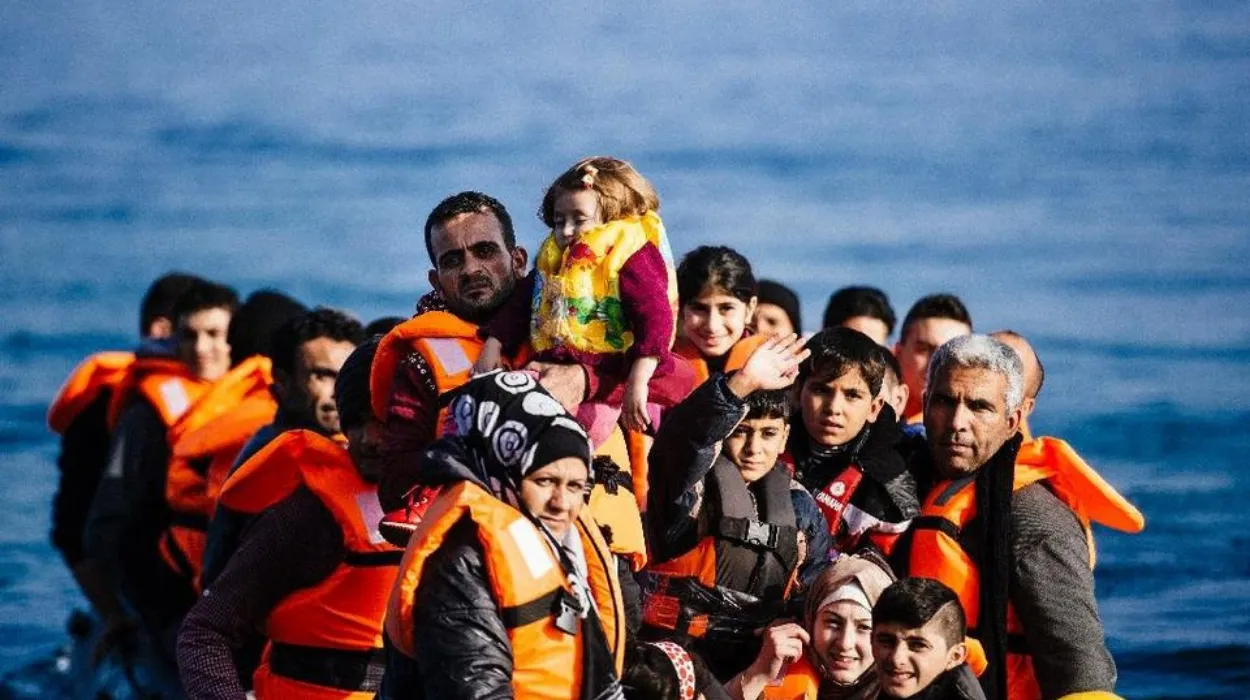
Critics state that the conditions of the pledge are merely one symptom of a larger phenomenon of using humanitarian aid as a tool of politics rather than a neutral reaction to human suffering. With over 120 million people forcibly displaced worldwide and the crises of war and climate change on the rise, a more politicized humanitarian system may leave millions of people unprotected when the crises they face are not aligned with donor agendas.