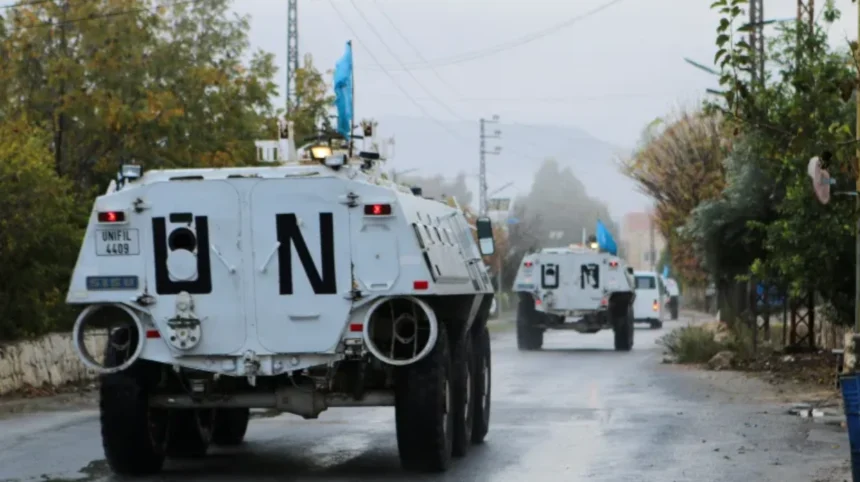
A United Nations peacekeeper received injuries during an attack which started with gunfire and then an explosion from Israeli military positions in southern Lebanon. The incident has brought attention to a persistent problem.
The United Nations personnel who operate under Security Council mandates face continuous exposure to danger because of Israeli military operations. The United Nations Interim Force in Lebanon (UNIFIL) classified the injury as minor, but the situation carries severe consequences.
Attacks on or near peacekeepers are serious violations of Security Council resolution 1701. We reiterate call to the IDF to cease aggressive behaviour and attacks on or near peacekeepers working for peace and stability along the Blue Line.
— UNIFIL (@UNIFIL_) December 26, 2025UNIFIL’s mandate and the significance of Resolution 1701
UNIFIL came into existence in 1978 and expanded its operations following the 2006 Israel–Hezbollah conflict because of UN Security Council Resolution 1701.
The mission received instructions through the resolution to watch over the ceasefire implementation while assisting the Lebanese Armed Forces (LAF) in southern Lebanon and maintaining an unauthorized armed presence free zone between the Litani River and the Blue Line.
UN peacekeepers need to have complete freedom of movement and safety as their fundamental requirement. The United Nations Security Council’s authority faces a direct challenge when any form of attack, intimidation, or obstruction occurs against UNIFIL personnel. This also breaks international law.
The Israeli military receives all advance notifications from UNIFIL patrols about their movements through sensitive areas, which makes accidental engagements seem less plausible.
A pattern of incidents involving Israeli forces
The most recent Bastarra event which resulted in a peacekeeper getting wounded through machine gun fire and grenade blast near the area. Throughout its operations UNIFIL has recorded many instances where Israeli military forces exposed peacekeepers to danger through direct attacks, aerial strikes, artillery bombardment, and explosive device deployment near UN facilities.
UNIFIL documented multiple incidents during the later years which involved Israeli drones operating at low altitudes above UN bases, live gunfire occurring close to patrols, and damage to UN facilities, and peacekeepers facing harassment when they tried to investigate violations along the Blue Line. The operational environment of the mission experienced continuous destruction because of these actions.
During the 2006 war, four UN observers were killed when Israeli airstrikes hit a clearly marked UN post in Khiam, despite repeated warnings from UN officials that the facility was under attack. The investigations that followed confirmed Israel’s responsibility. The implemented measures to hold them accountable were not enough.
The UNIFIL Fijian battalion headquarters in Qana, southern Lebanon, received Israeli artillery fire during Operation Grapes of Wrath in 1996, which resulted in the deaths of four UN soldiers (three Fijians and one Ghanaian)and multiple injuries to other personnel .The Israeli tank fire in1987resulted in the death of an Irish peacekeeper who operated near a UNIFIL post during village clashes.
Four Indonesian peacekeepers received injuries from IDF tank fire when the UNIFIL watchtowers at Naqoura headquarters took two hits during Israel’s ground invasion of southern Lebanon in October 2024 (October 10–11).
These actions by Israel Defense Forces (IDF) are in violation of Security Council resolution 1701 and Lebanon’s sovereignty, and show disregard for safety and security of the peacekeepers implementing Security Council-mandated tasks in southern Lebanon.
— UNIFIL (@UNIFIL_) October 26, 2025UNIFIL determined that these actions were intentional. A Resolution 1701 violation took place on November 16, 2025, when an Israeli Merkava tank fired machine guns at a UNIFIL patrol near Yaroun (five meters from an IDF position). This led soldiers to seek protection. The incident did not result in any reported injuries. IDF drones dropped grenades close to a UNIFIL patrol that was removing Blue Line roadblocks earlier in September 2025.
This represents a serious violation of Security Council resolution 1701.
Yet again, we call on the IDF to cease any aggressive behavior and attacks on or near peacekeepers, who are working to support the return to the stability that both Israel and Lebanon say they seek.
— UNIFIL (@UNIFIL_) November 16, 2025How many peacekeepers have lost their lives?
Since UNIFIL’s establishment, more than 330 peacekeepers from various contributing countries have lost their lives, the majority during periods of intense conflict involving Israel. The deaths that happened during Israeli military operations in Lebanon seem to represent a major portion of casualties.
The shelling, airstrikes, and small-arms fire from Israel have caused injuries to hundreds of peacekeepers who were stationed at UN positions throughout several decades. The UN Secretaries-General have expressed their ongoing worries about these incidents because they believe peacekeepers should never face any form of attack whether intentional or accidental.
Southern Lebanon under sustained pressure
Israel’s larger regional military posture, especially in light of the Gaza conflict, is inextricably linked to the resurgence of violence in southern Lebanon. After a year of fighting, cross-border attacks stopped with the November 2024 ceasefire, but the situation on the ground is still unstable.
Israeli forces had to finish their withdrawal from southern Lebanon by January 2025 as part of the ceasefire agreement. Many consider Israel’s continued military presence at five border outposts to be a violation of the agreement.
The region becomes unstable as a result.
Since the start of the ceasefire, Israeli attacks have caused 335 deaths and nearly 1,000 injuries, according to the Health Ministry of Lebanon. However, these figures contradict the stated de-escalation and show that low-level fighting is still occurring.
Implications for civilians and humanitarian space
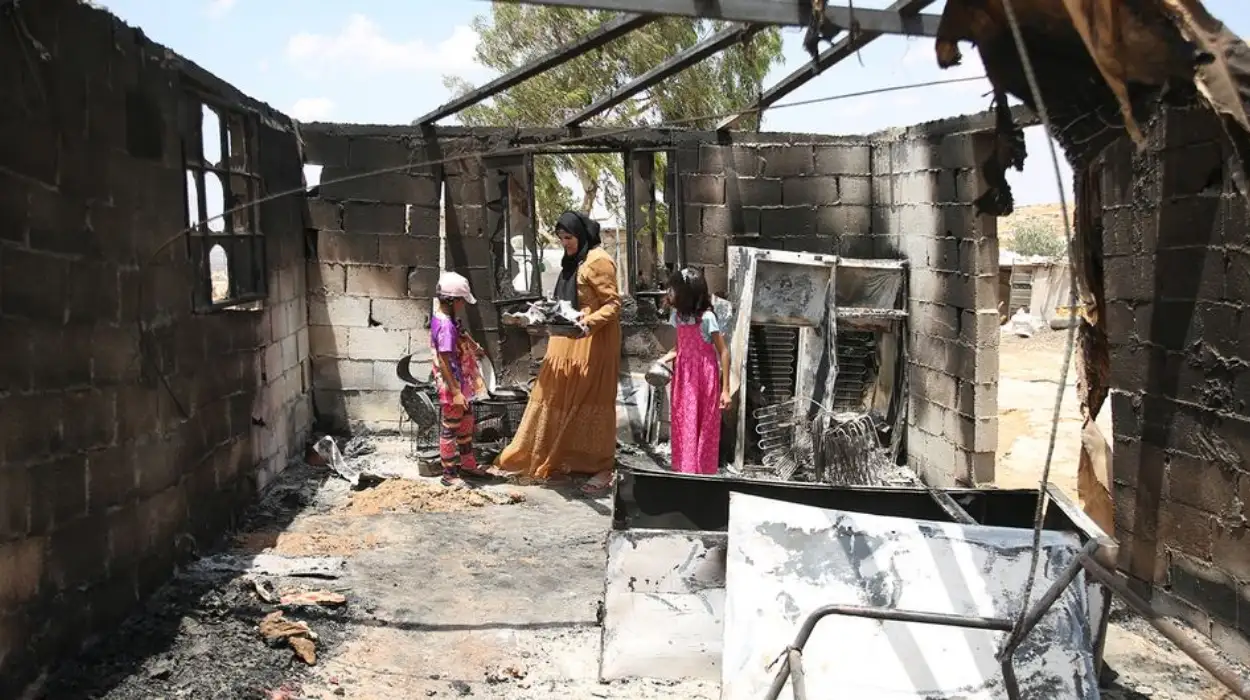
UN peacekeepers do not operate in isolation. The safety of civilians directly impacts their protection and their ability to access humanitarian aid. The Israeli military operations in Southern Lebanese villages close to the Blue Line have caused multiple times of displacement for residents, while simultaneously destroying infrastructure and causing economic breakdowns.
UNIFIL’s presence has historically acted as a buffer, reducing the risk of miscalculation and escalation. The continued Israeli operations which aim to threaten or harm peacekeeping forces. Lead to a reduction in their capacity to maintain stability in the area. When patrols are fired upon, even indirectly, it constrains monitoring activities and reduces transparency—conditions that increase the likelihood of broader conflict.
The credibility crisis facing UN peacekeeping
The 2025 UNIFIL peacekeeper injury revealed a major problem which affects all UN peacekeeping operations that operate in dangerous military zones. The failure to enforce penalties against ongoing violations of peacekeeping mandates by host states and external actors threatens to reduce peacekeeping operations to mere symbolic gestures. Instead of achieving their intended goals.
The organization faces an especially difficult situation when it comes to UNIFIL operations. The area exists in a state of conflict between the Israeli military forces and non-state armed groups, but operates without any enforcement power. The system operates successfully through complete cooperation between parties who either actively participate or choose to stay out of the process.