

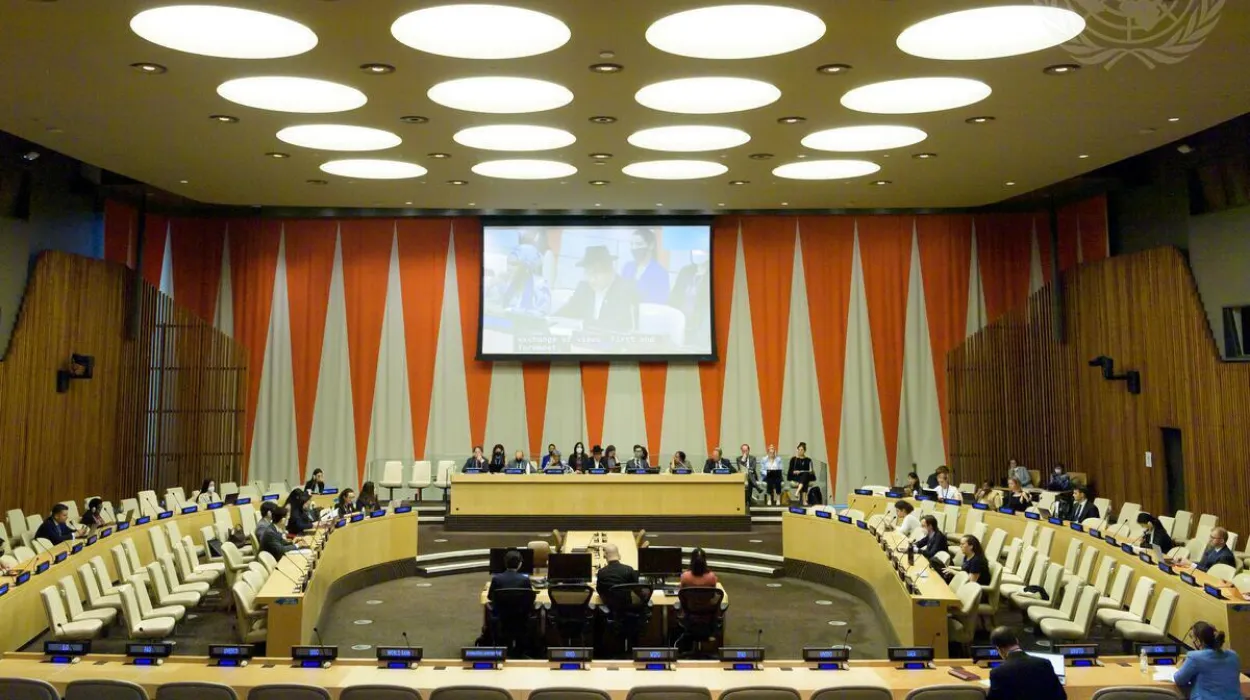

According to an internal paper written by senior officials entrusted with restructuring the international organization, the UN is contemplating a significant revamp that would combine key ministries and reallocate resources throughout the world.
The high-level assessment was conducted while U.N. agencies are struggling to deal with the consequences of President Donald Trump’s cuts to U.S. foreign aid, which have severely damaged humanitarian organizations.
A list of what it describes as “suggestions” to combine dozens of U.N. organizations into four main departments—human rights, sustainable development, humanitarian affairs, and peace and security—can be found in the six-page document, which is marked “strictly confidential” and was reported by Reuters.
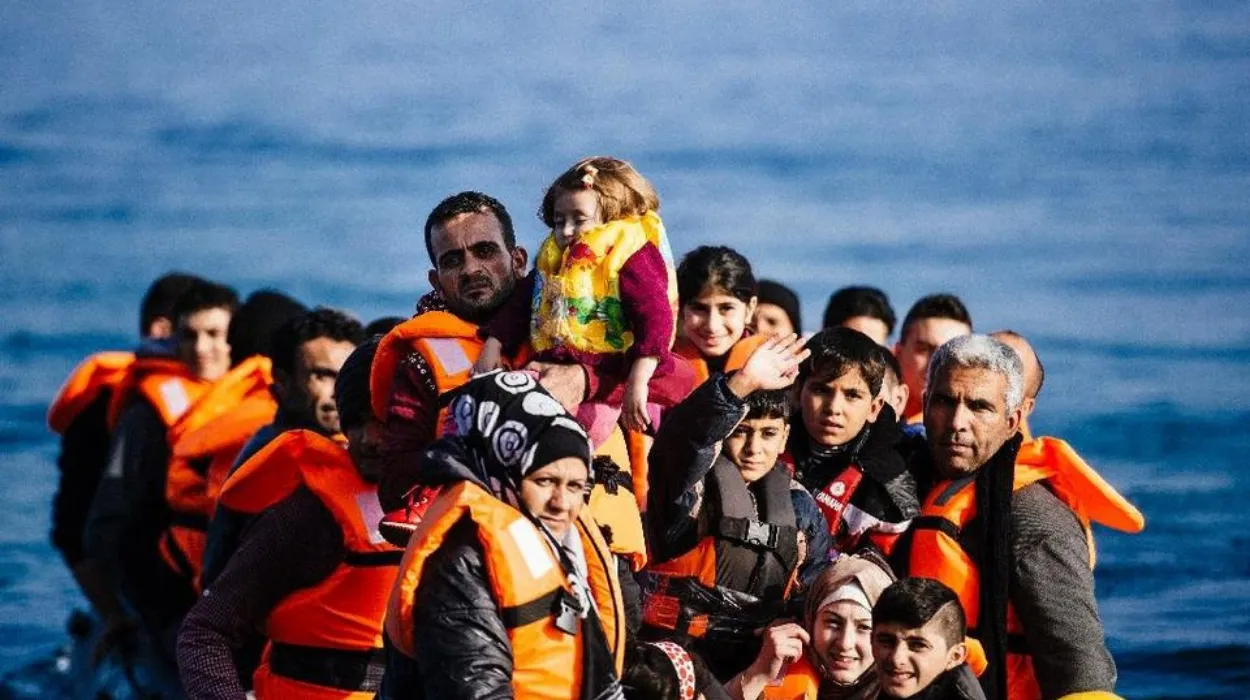
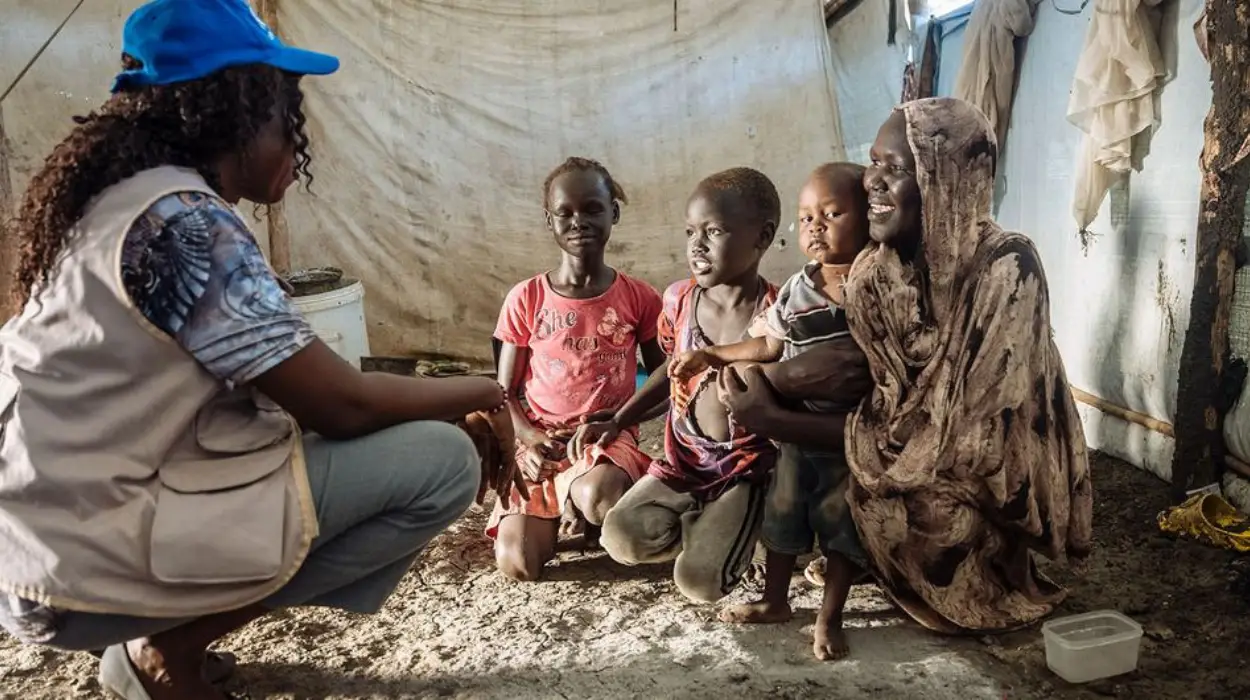
For instance, it stated that one alternative would combine the World Food Programme, the United Nations Children’s Agency, the World Health Organization, and the United Nations Refugee Agency into a single humanitarian organization.
If all of the memo’s recommendations are implemented, it would be the most comprehensive change in decades, Others of the recommendations are big, others are tiny, and some are speculative. It proposes eliminating the need for up to six interpreters during meetings and combining the U.N. AIDS agency with the WHO. Another idea is to combine U.N. development agencies with the World Trade Organization, which is not a U.N. organization.
The organization “was established by a separate international agreement and operates independently,” according to WTO spokesman Ismaila Dieng. It is not included in any current U.N. reform negotiations. UNHCR spokesperson Matthew Saltmarsh stated that the organization has a “unique mandate” to safeguard refugees. The memo was described as a beginning point by one person who was acquainted with it.
However, the internal self-assessment’s wording seems to reinforce the long-held belief held by both proponents and detractors of the international organization that the U.N. needs to be streamlined. The document makes a number of observations, including “overlapping mandates,” “fragmentation and duplication,” “inefficient use of resources,” and an overabundance of senior posts.
It outlines the “systemic challenges” that the United Nations faces, issues that are made worse by the General Assembly’s ongoing addition of missions and programs. “Overlaps, inefficiencies, and costs have been exacerbated by increased mandates, often without clear exit strategies,” concluded the report.
Secretary-General António Guterres created a task team in March to write the document, stating that the organization needed to become more cost-effective at the moment. In addition to short-term cost-cutting initiatives, the task group is taking long-term structural reforms into consideration. The initiative has been seen by some diplomats as a proactive measure to help prevent further cuts by the United States.
Guterres’ spokesperson, Stéphane Dujarric, stated, “The memo is the result of an exercise to generate ideas and thoughts from senior officials on how to achieve the Secretary General’s vision.” An ambassador from Geneva expressed support for the proposed reforms. At this point, he stated, “anything short of bold and radical will not work” and that a “serious look” at U.N. personnel relocations was warranted.
The ambitious plans to combine and cut the U.N. bureaucracy were exciting diplomats, according to Richard Gowan, United Nations Director for the International Crisis Group. During a meeting with Trump in 2017, the Secretary-General told the U.S. President that the world body was saddled with “fragmented structures, byzantine procedures, endless red tape”.
However, it is currently dealing with one of the worst financial crises in its eight decades of existence. Approximately $1.2 billion in arrears for peacekeeping and $1.5 billion in necessary payments for the regular budget were already due at the beginning of the year from the United States, by far the greatest donor to the U.N. As part of his “America First” foreign policy, Trump has reduced foreign aid by billions of dollars since taking office in January.

