Lebanon has filed a complaint with the United Nations, blaming Israel for violating the ceasefire agreement of November 2024. The complaint filed by Lebanon urges the Security Council to press Israel to halt its attacks and withdraw from Lebanese territory. The complaint not only points out the number of violations of the ceasefire agreement but also the political implications of Israel’s military attacks.
What Does Lebanon Claim in Its UN Complaint?
The complaint was filed by the Lebanese Ministry of Foreign Affairs and Emigrants on Monday, claiming that the Israeli actions violate UN Security Council Resolution 1701. This resolution was adopted in 2006 and brought an end to the conflict between Israel and Hezbollah, calling for a ceasefire, Israeli withdrawal, and an increase in the strength of the UN peacekeeping force,
Lebanon’s complaint demands that the UN Security Council compel Israel to:
- Completely withdraw to beyond internationally recognized borders
- Cease repeated violations of Lebanon’s sovereignty
- Release Lebanese prisoners held in Israel
The complaint included three detailed tables of violations, showing daily breaches during October, November, and December 2025:
- October 2025: 542 violations
- November 2025: 691 violations
- December 2025: 803 violations
- Total: 2,036 violations over three months
These figures illustrate a steady escalation in Israeli actions against Lebanon, despite the ceasefire agreement.
The Immediate Trigger: New Airstrikes and Ongoing Violence
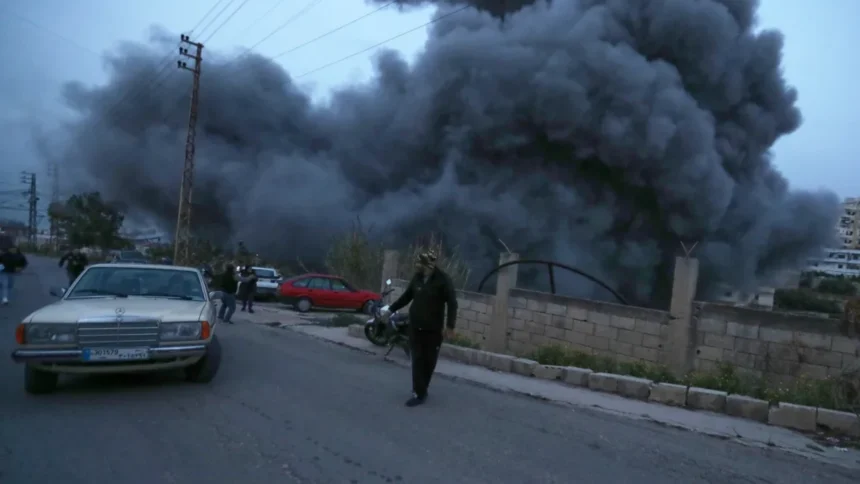
The complaint was filed by Lebanon a day after Israel began a series of airstrikes throughout Lebanon, killing at least two civilians. This is in line with the trend of attacks that have resulted in hundreds of civilian deaths due to near-daily attacks since the 2024 ceasefire. In November 2025, the UN indicated that at least 127 civilians in Lebanon had been killed by Israeli attacks.
Israeli Occupation and the Blockade of Reconstruction
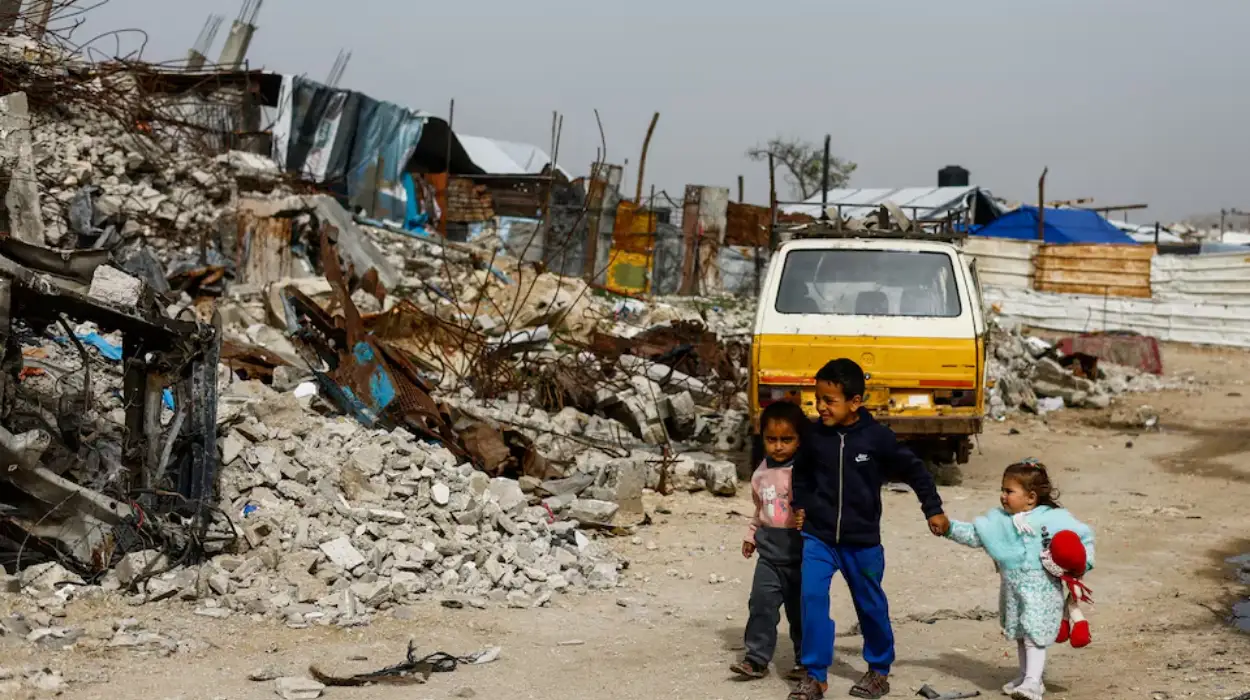
Despite the ceasefire, Israel maintains its occupation of five strategic points inside the territory of Lebanon. The destruction of several villages along the border has left tens of thousands of Lebanese displaced, unable to return to their homes.
Lebanese Prisoners Held by Israel
Lebanon alleges Israel is detaining more than a dozen Lebanese nationals, including Hezbollah fighters and civilians who were abducted from border villages in 2024. Israel has not released the names of the detainees, leaving many families in the dark and contributing to the escalating humanitarian crisis.
Attacks on UN Peacekeepers
The complaint also points out the attacks that have been carried out by Israeli forces on UNIFIL peacekeepers, who are deployed in southern Lebanon in accordance with Resolution 1701 to monitor the ceasefire. Lebanon has asked the Security Council to press Israel to stop attacking the peacekeepers, who have been making “ultimate sacrifices” to ensure stability in the region.
Why Previous UN Complaints Have Failed to Stop Attacks
Lebanon has filed similar complaints in the past, but Israeli attacks have continued without interruption. The recurring nature of these violations indicates a failure of enforcement mechanisms within the UN framework and raises questions about the credibility of international peacekeeping.
The Context: Hezbollah’s Weakening and Lebanon’s Push for Disarmament
The 2024 military operation conducted by Israel has weakened Hezbollah, as many of its high-ranking military and political leaders have been killed. This has enabled Israel to exercise new military superiority and launch attacks without fear of retaliation.
On the other hand, the Lebanese government has been working to disarm Hezbollah. The Lebanese government has just announced that it has finished disarming Hezbollah of its weapons south of the Litani River, which is 28km (17 miles) from the Israeli border. However, Israeli airstrikes are still being conducted both south and north of the Litani River.
Hezbollah’s Position and the Next Phase of Disarmament
Hezbollah has tacitly agreed to disarmament south of the Litani in line with UN Resolution 1701. However, the group has insisted it will not fully disarm, arguing that its weapons are essential to counter Israeli expansionism.
The next phase of Lebanon’s disarmament plan aims to move weapons 40km (25 miles) north of the Litani River to the Awali River, indicating that the conflict over Hezbollah’s military capacity remains unresolved.
Lebanon’s complaint to the UN underscores a harsh reality: the 2024 ceasefire has failed to stop Israel’s repeated violations of Lebanese sovereignty, the killing of civilians, and the occupation of Lebanese territory. The complaint also highlights the weakness of UN enforcement mechanisms and raises serious concerns about the future of regional stability.
As Israel continues its airstrikes and refuses to withdraw from occupied areas, Lebanon’s plea to the Security Council represents a desperate attempt to revive international pressure — but the ongoing violence suggests that the ceasefire is, at best, symbolic.