

The United States, through its executive order No. 14199, made an announcement regarding its withdrawal from various international organisations, comprising 31 UN agencies and bodies, on 4 January 2026. The withdrawal either concerns treaty or funding participation with various core areas of the UN, such as the United Nations Framework Convention to Combat Climate Change.
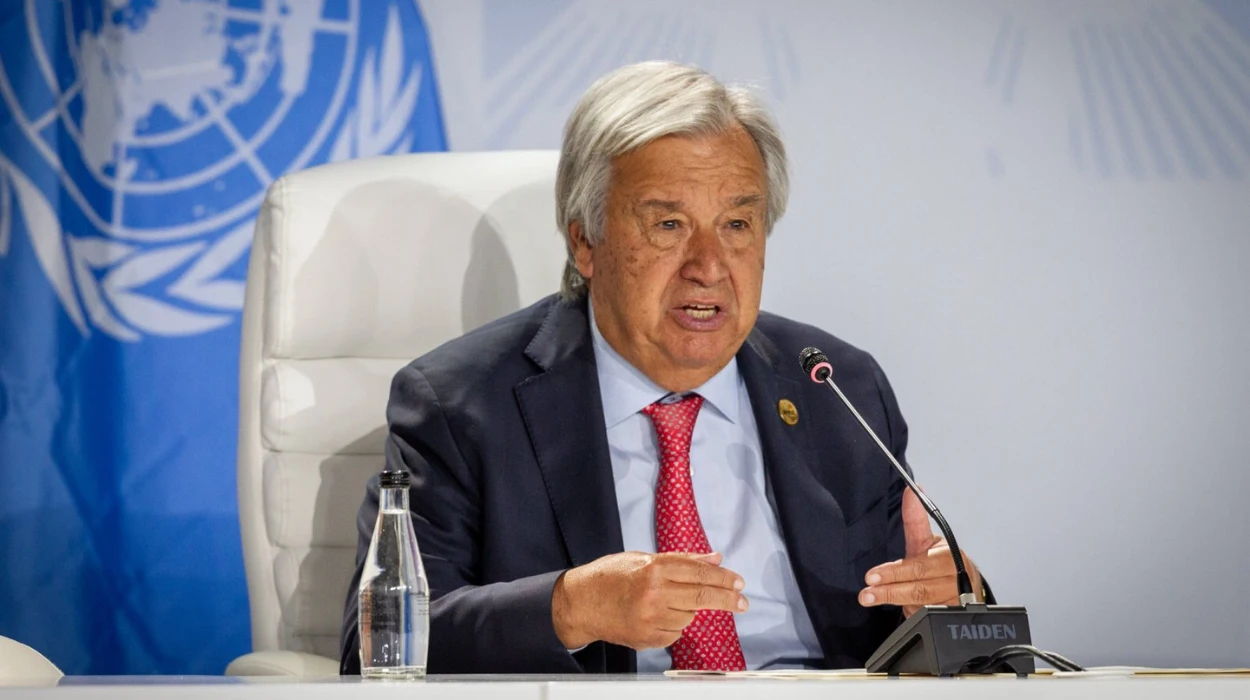
The justification for this action, according to US officials, was that these organisations were “wasteful, ineffective, or harmful,” which prompted a wave of condemnation from diplomats, experts, and citizens. The UN Secretary General responded on 8 January by pledging that the UN would carry out its mandate with determination, no matter what geopolitical circumstances unfold.
The practice is not entirely new, as the United States had previously withdrawn from UNESCO twice, the Human Rights Council, and had curtailed funding for UNRWA. It is, however, a more profound repudiation of multilateralism. The rationale is no longer presented as a global shared responsibility but as a bilateral relationship from which benefits accrue.
A Host State Challenging the System It Hosts
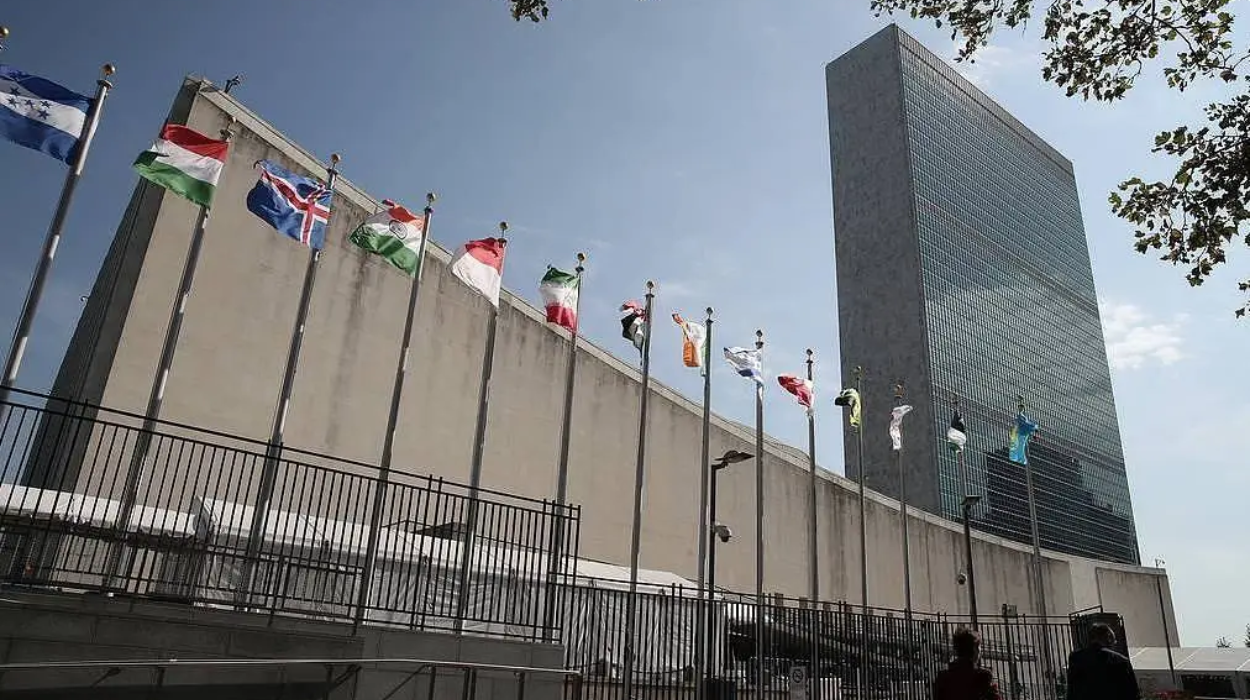
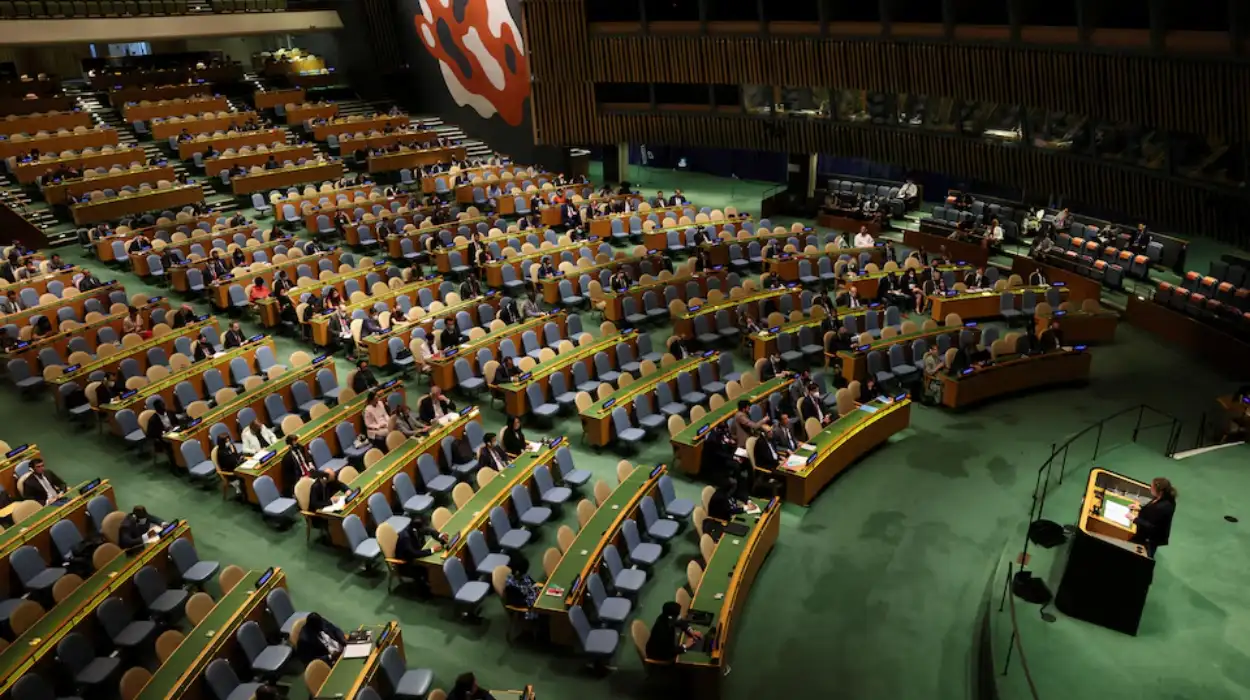
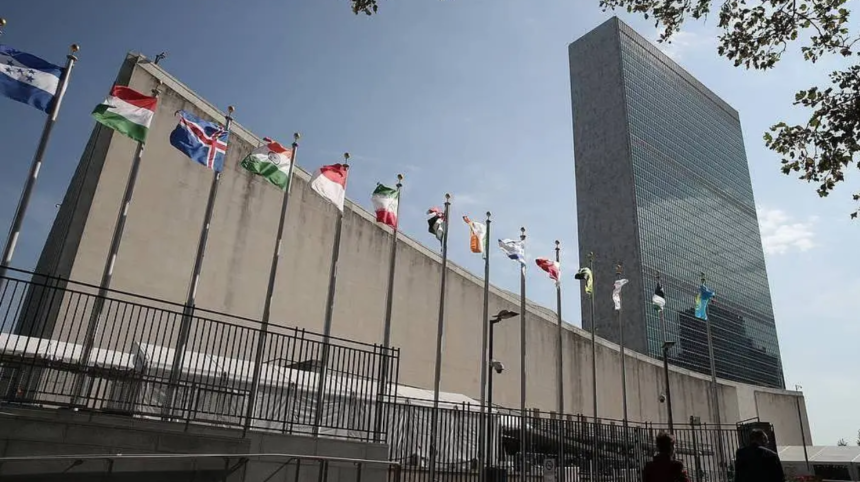
The United Nations headquarters in New York carries immense symbolic and operational significance. Multilateralism requires not only the very legal frameworks, but physical presence-meeting rooms, informal diplomacy, and corridors where negotiations are shaped. Under the 1947 Headquarters Agreement, the United States is obliged as a host state to guarantee safe and neutral access to delegations, officials, and civil society actors.
Nevertheless, recent events have brought into question whether the US is living up to its watchdog responsibility. Visa restrictions on Palestinian officials in 2025, sanctions imposed on officials of the International Criminal Court, and UN Special Rapporteurs, as well as diplomatic efforts, have raised concerns of possible violations of international law by the US, according to UN experts.
Such moves call into question the impartiality of the UN’s preeminent location, as well as the believability of New York City as a center for world diplomacy. To UN specialists, diplomats, and activists, the clear takeaway is: the host is increasingly viewing multilateralism as an antagonistic practice, rather than a unifying global effort.
Is Relocating the UN Headquarters Legally Possible?
As it is generally believed that the headquarters of any UN body must be in New York, it is to be noted that the UN Charter does not have such a provision. New York was chosen as permanent headquarters in 1946, and it is subject to a headquarters agreement with the US.
In theory, this could be done by choosing another city to be the host city, and entering into another headquarters agreement, although this would demand tremendous political consensus and is essentially symbolic in nature.
Temporary Relocation as a Pragmatic Alternative
While full relocation is unlikely from a political perspective, moving some functions of key UN activities is well within existing practice. Indeed, it is possible to recall previous instances, such as a General Assembly session that took place outside of New York, as it did in Geneva in 1988, where the US denied a visa to Mr. Yasser Arafat.
In recent years, talk about relocating UNICEF, UNFPA, and UN Women to Nairobi exemplifies the flexibility that the UN Secretariat might demonstrate in the reconfiguration of UN operations. The transitory movement of sessions, agencies, or sensitive organs could reduce dependence on a host country without the political impact of relocating the UN.
The Committee on Relations with the Host Country could play a pivotal role in documenting obstructions and recommending practical responses, including convening sessions outside New York or relocating sensitive functions to alternative duty stations.
A Multilateral System Under Constitutional Strain
The US retreat from multilateralism coincides with broader violations of international law and escalating geopolitical tensions, including controversial uses of force, extrajudicial actions, and expansionist rhetoric. These developments signal not just political disagreements but an erosion of the constitutional foundations of the international system.
And yet, the UN persists. Meetings are conducted, resolutions passed, and diplomatic processes maintained—but ever more as ritual activities, rather than as an expression of collective purpose. The various reform initiatives undertaken thus far, including those identified with the Summit of the Future and the Pact for the Future, have found it difficult to surmount the structural limiting factors bequeathed by the UN’s founding architecture.
Rethinking the Geography of Global Governance
The open challenge to multilateralism by the host state raises an unavoidable question: can the UN’s political heart remain in a city whose government increasingly contests the very system it hosts?
Functional relocation of key political processes could rebalance the system’s centre of gravity, reducing any single state’s leverage over access, visibility, and diplomatic safety. Such moves would require political leadership from member states and the UN Secretariat—not legal innovation.
The issue is no longer whether relocation is legally feasible, but whether global political will exists to confront a host state whose actions are reshaping the foundations of international cooperation.