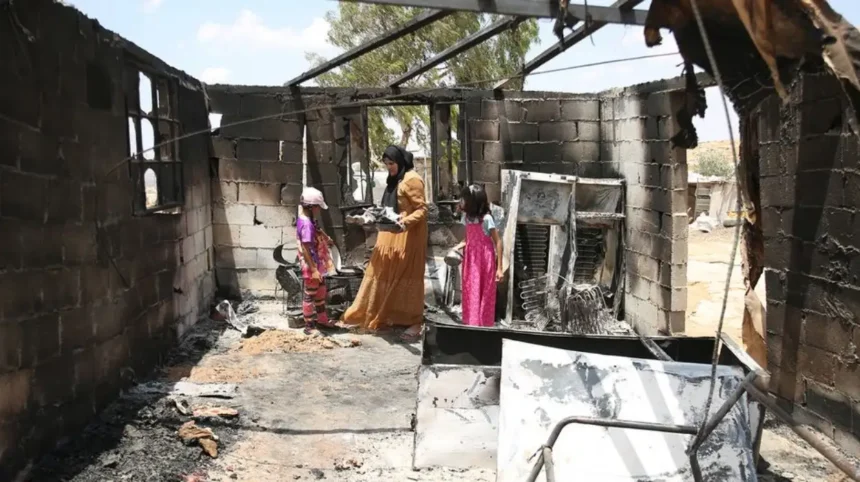
The United Nations Committee on the Exercise of the Inalienable Rights of the Palestinian People convened its 2026 session on Tuesday with an urgent appeal for a two-State solution in the face of a fragile ceasefire in Gaza and the ongoing growth of Israeli settlements in the occupied West Bank. The meeting underscored a deteriorating humanitarian and political crisis, with tens of thousands of Palestinians made homeless.
UN Committee Leadership and Mandate
The Committee convened at the UN Headquarters in New York, electing Coly Seck, Senegal’s ambassador to the UN, as its Chair. Established by the UN General Assembly in 1975, the Committee is mandated with the support of the fulfillment of the inalienable rights of the Palestinian people to self-determination, national sovereignty, and return. The Committee coordinates activities through the UN Division for Palestinian Rights and submits annual reports to the UN General Assembly on developments in the region.
Secretary-General’s Warning: Clock Ticking on Peace
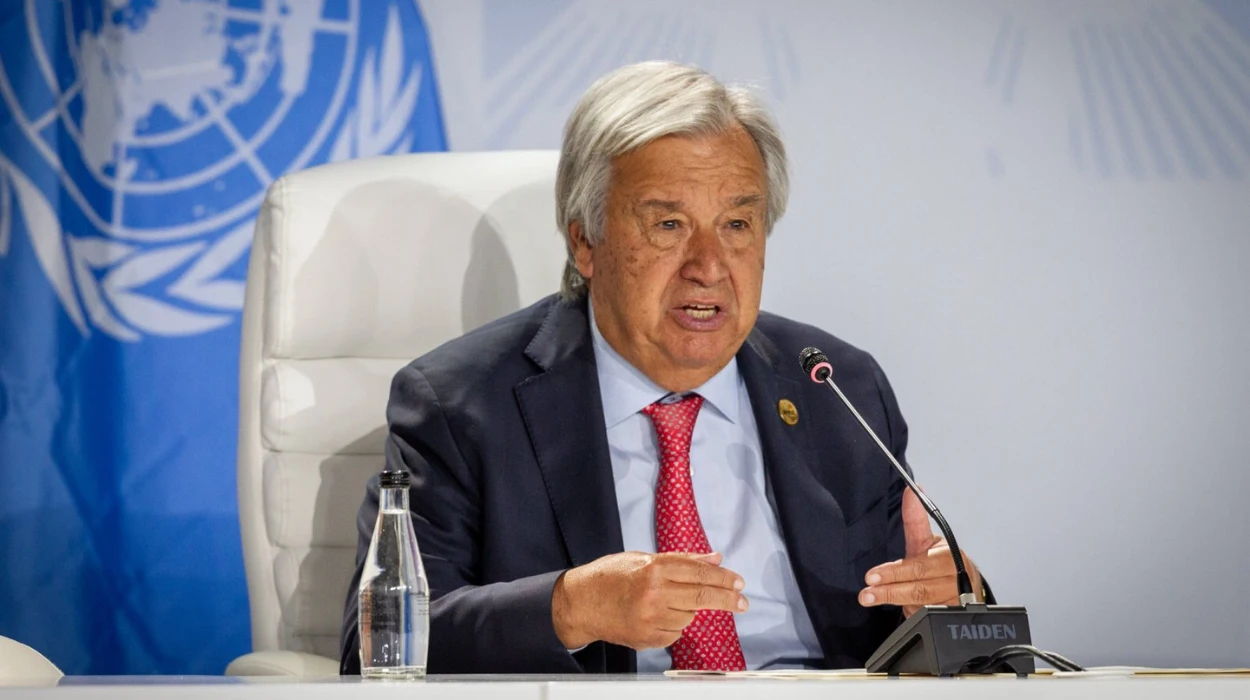
UN Secretary-General António Guterres spoke to the committee, highlighting the “perilously fragile” situation for Palestinians in 2026. He pointed out that the ceasefire in Gaza, which came after several months of heavy Israeli airstrikes, is still precarious, in addition to attacks by settlers and demolition policies in the West Bank. Over 37,000 Palestinians were forcibly displaced in 2025, which is one of the highest annual numbers since 2014, as per UN estimates.
Guterres said,
“We begin 2026 with the clock ticking louder than ever. Will the coming year be one of peace or a descent into the abyss of despair?”
He also pointed out the deteriorating humanitarian situation in Gaza, where more than 60% of the population is dependent on humanitarian assistance, and basic services such as electricity, water, and health services are under severe constraint as a result of deliberate attacks on the infrastructure.
Support for UNRWA and Protection of Humanitarian Workers
The Secretary-General reiterated his strong support for the UN Relief and Works Agency for Palestine Refugees in the Near East (UNRWA) and underlined the need to protect its staff and facilities. He pointed out that the number of incidents of attacks on UN facilities and personnel has been rising in recent years, with more than 45 confirmed cases of physical threats, arrests, or intimidation of UN personnel in 2025 alone in Gaza and the West Bank.
Guterres emphasized that UNRWA remains crucial in providing education, health, and social services to over 5 million registered Palestinian refugees, warning that undermining its work could destabilize the region further.
The Two-State Solution: Only Viable Path
Guterres reiterated that the two-State solution is the only internationally recognized solution to the Israeli-Palestinian conflict. He appealed for a
“fully independent, democratic, contiguous, viable, and sovereign Palestinian State, of which Gaza is an integral part,”
living side by side with Israel in peace and security, based on the 1967 borders, with Jerusalem as the capital of both states.
The Secretary-General pointed out the widening gap between words and deeds, saying that “settlement expansion in the West Bank has risen by 14% in 2025 alone, with more than 5,500 units of housing approved, making the viability of a contiguous Palestinian state even more remote.”
Sustained International Engagement Essential
Committee Chair Coly Seck emphasized that the organization would continue its efforts “with responsibility and perseverance,” as it is necessary to keep the international community on track towards a political solution while respecting humanitarian and legal norms. The official highlighted that it is essential to continue receiving support from member states and observers, as the Palestinians are going through one of the most difficult moments in their history.
Calls for Ceasefire and Accountability
Riyad Mansour, Permanent Observer of the Observer State of Palestine, thanked the Committee for its advocacy efforts and reiterated calls for a permanent ceasefire, unconditional humanitarian access to Gaza, and accountability for breaches of international law. He cautioned that
“our people will never forget the work of this Committee and the governments that have stood by them in the struggle to attain their inalienable rights.”
Mansour pointed out that
“2025 witnessed a sharp escalation in violence linked to settlers, with the UN Office for the Coordination of Humanitarian Affairs recording more than 1,400 incidents of violence against Palestinians, including attacks, property damage, and threats.”
A Region on the Brink
The UN committee’s session made it clear that despite the international agreements and the long-standing resolutions of the UN, the Palestinians continue to live under conditions that jeopardize both their human rights and the future of the region. It has been warned that unless immediate diplomatic action is taken to ensure that international law is upheld, the two-state solution will continue to drift away, while the cycle of violence, displacement, and humanitarian crises intensifies.
As the year 2026 progresses, the question posed by the Secretary-General, Guterres, of whether the year will be one of peace or a descent into despair, continues to be unanswered, emphasizing the need for renewed international commitment to justice, human rights, and a political solution for the Palestinian people.