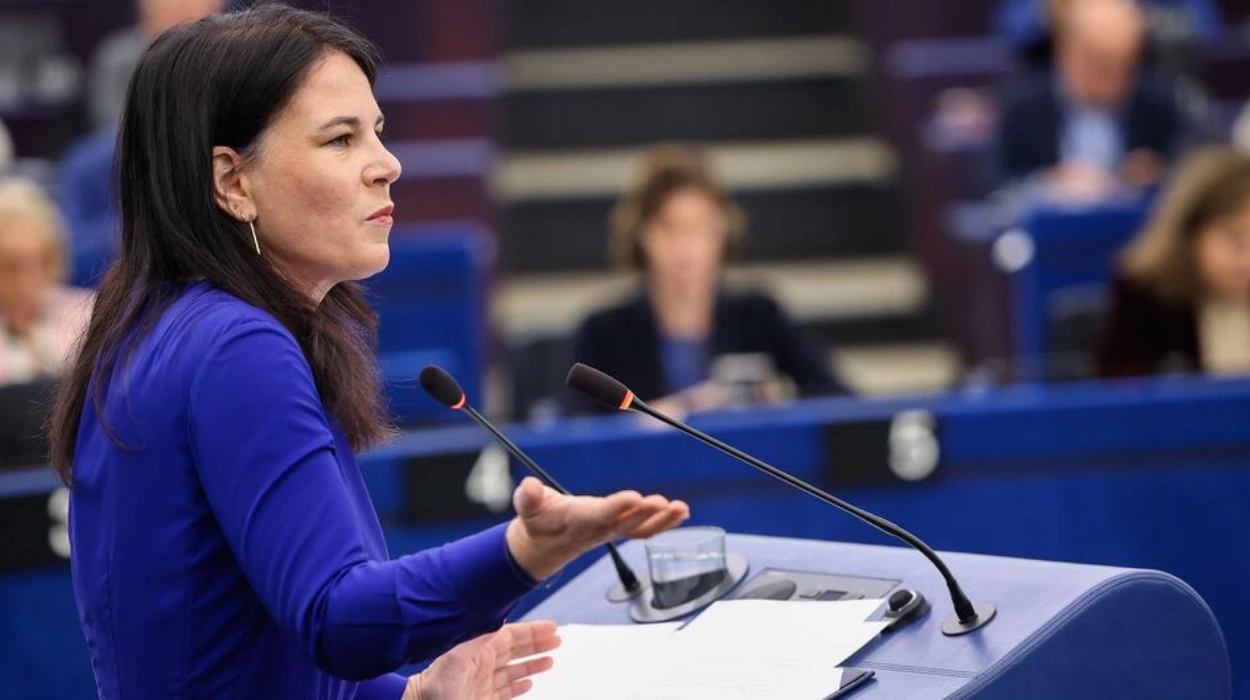
In early 2026, Ukraine War Diplomacy took a new turn into a period of urgency with the United Nations system marking another year of the full-scale invasion of Russia. In February 2021, Under-Secretary-General Rosemary DiCarlo read a message on behalf of the Secretary-General Antonio Guterres urging member states to use all diplomatic means possible to end the conflict. This was sought against a backdrop of civilian killings in 2025 being at the highest per annum since the invasion commenced, as reported by UN monitors.
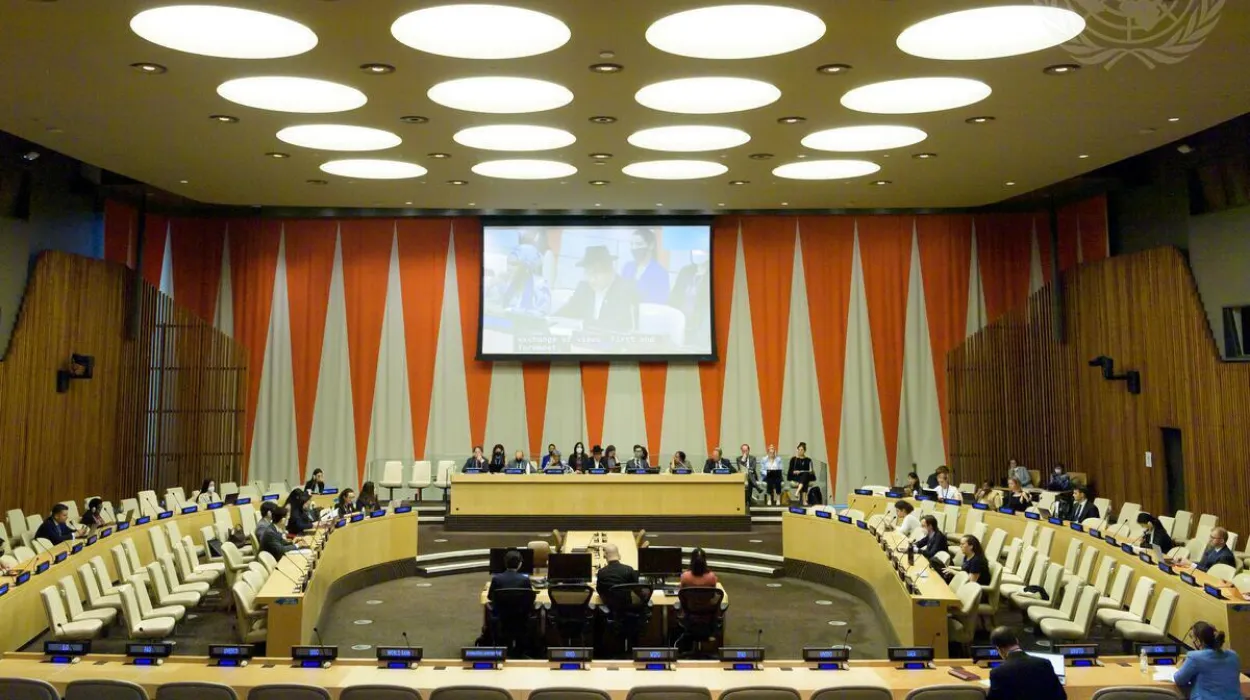
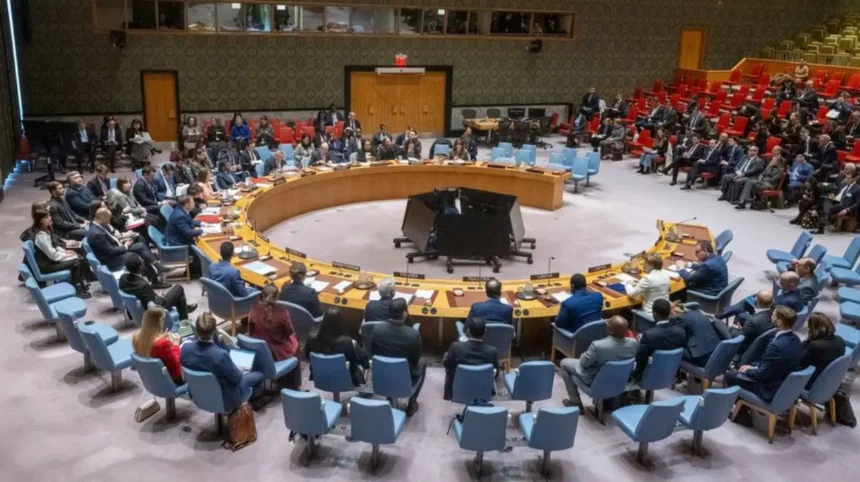
A resolution that required an immediate, complete, unconditional ceasefire was passed by the General assembly a few days ago. The 107 in favor and 12 against and 51 abstentions were more of a general support rather than a universal one. Although general assembly resolutions are not binding, they act as the political barometers of world sentiment. The margin emphasized the long-term backing of the territorial integrity of Ukraine, but the percentage of abstinence indicated the exhaustion and hedging of position in a number of states in the Global South.
This broadening diplomatic distance between statement multilateral consensus and action is the current casualty of the Ukraine War Diplomacy.
General Assembly Mandates and Their Limits
The General Assembly text restated that Ukraine was a sovereign country and urged the exchange of prisoners and the delivery of forcibly displaced civilians such as children. It repeated claims that were initially made in previous resolutions and words that were contained in the UN Charter on non-aggression.
The resolutions have always been presented by Kyiv as a legal and moral justification of its stand. The officials of Ukraine insist that they still have ceasefire proposals, which will take place only after the withdrawal of Russian troops to the established borders. Moscow however describes such demands as being alien to new territorial realities citing annexation claims in occupied regions.
The split depicts one of the fundamental structural issues which include the fact that the UN can only formulate principles but cannot force a permanent member of the Security Council to act when they refuse such principles.
Voting Patterns and Strategic Abstentions
The 51 blank votes in the recent General Assembly vote indicate the changing geopolitical calculations. Those nations that strike a balance between an economic or security relationship with Russia chose not to openly oppose but did not support. A procedural attempt by the U.S. to change parts of the text did not achieve success which showed tensions in the Western coordination of framing of the negotiation.
The representative of Washington commented that some words threatened to complicate the current diplomatic work. This cautious balancing acted as a precursor to the priority to maintain open conduits, despite the fact that the public communication was promoting the sovereignty of Ukraine. The divide highlights the fact that Ukraine War Diplomacy is more and more influenced by negotiation strategies more than normative statements.
Security Council Paralysis and Russian Veto Power
The Security Council passed Resolution 2774 in 2025 requesting a rapid ceasefire in the hostilities. However the implementation has come to a halt. The veto power that Russia possesses actually protects it against binding action and deflects efforts toward non-binding General Assembly actions.
Western members have claimed at Council briefings that further attacks on Ukraine energy grid and civilian infrastructure are in breach of international humanitarian law. In 2025, UN human rights monitors reported massive abuses such as arbitrary arrests and ill-treatment in occupied countries. Moscow challenges these reports claiming that military operations are aimed at strategic purposes.
The problematic limitations of the structure of the Council are central to the Ukraine War Diplomacy. Although debates increase the level of political pressure, they are seldom meant to be translated into operational leverage.
Nuclear and Humanitarian Risks
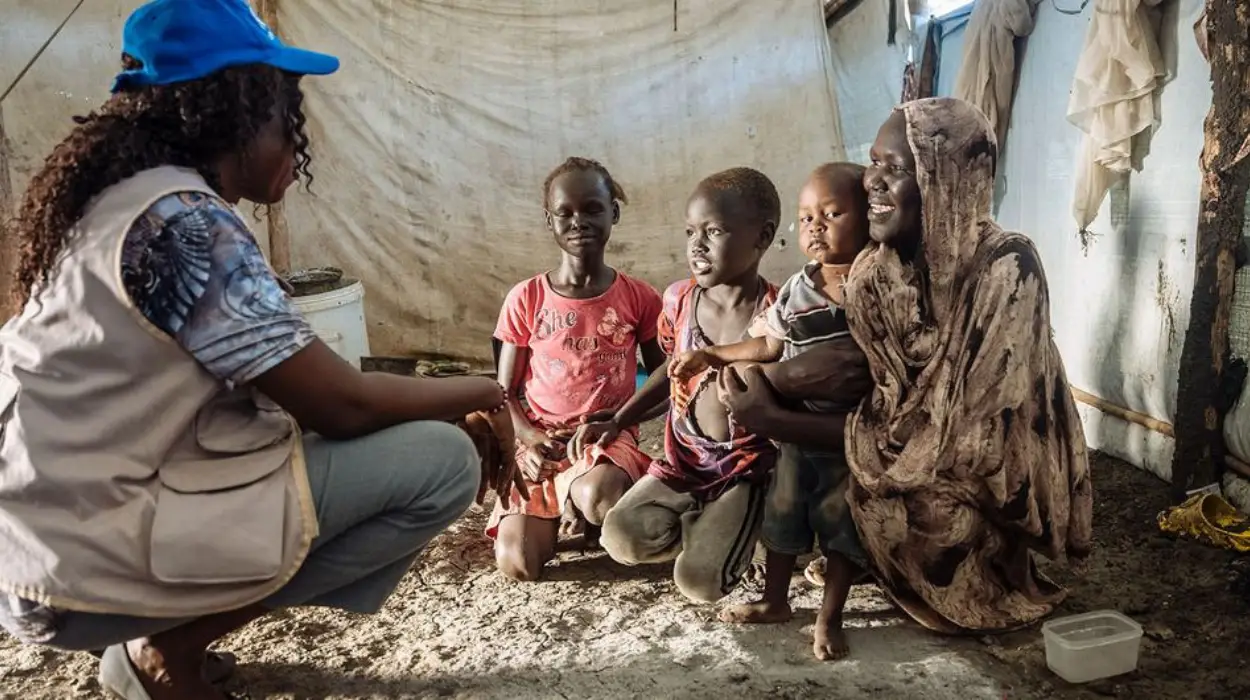
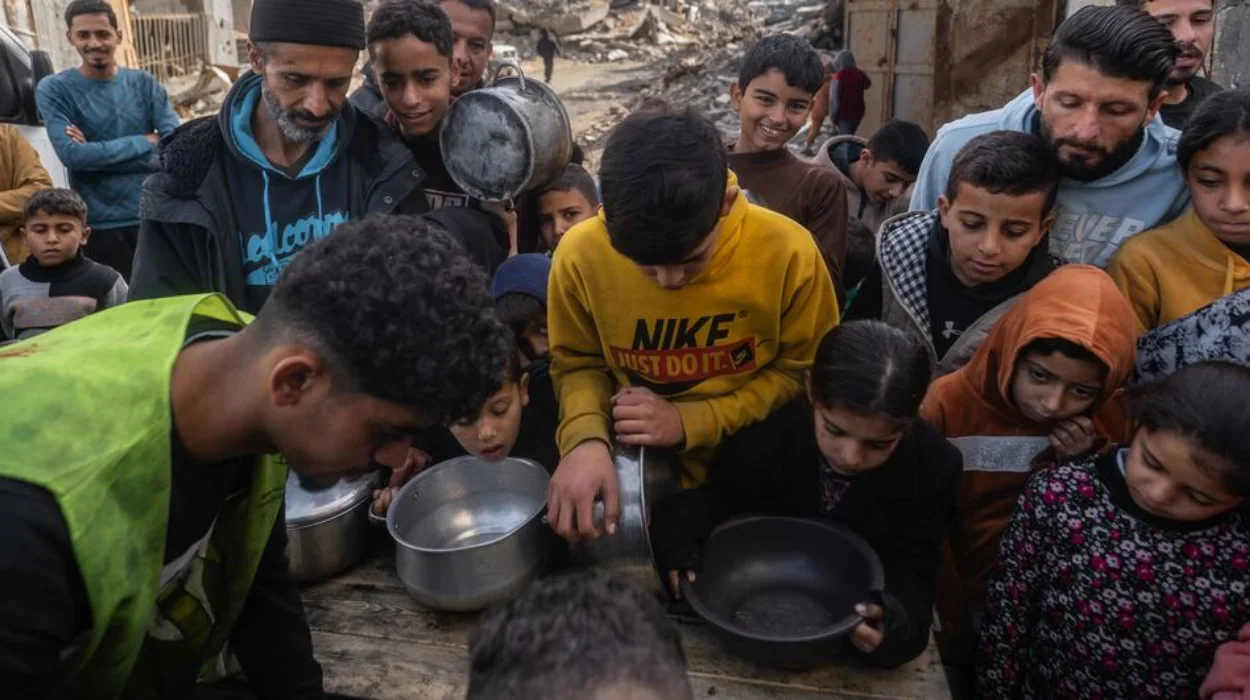
The UN officials have continually evoked the threats of the attack on nuclear plants in the context of the hostilities. The International Atomic Energy Agency has ensured that they are present at strategic points in Ukraine and they are trying to avert the escalation. DiCarlo stressed that the gap in humanitarian funding is growing, whereas displacement and damage of infrastructure is getting larger.
The further the hostilities take place, the more it is straining on the already hardworking international aid mechanisms that are being faced by parallel crises elsewhere. This fact increases the need for ceasefire mechanisms but fails to solve fundamental territorial conflicts.
Russian Rejectionism and Strategic Calculations
The diplomatic policy of the Kremlin has always associated ceasefire talks with the recognition of its territorial claims in the eastern and southern Ukraine regions. President Vladimir Putin has pointed out that negotiations have to be based on facts on the ground, a saying that has generally been understood to precondition talks on agreements that are de facto on annexations.
The leadership of Ukraine denies these conditions because it believes that recognition will weaken the international order that was established after 1945. The European Union diplomats have reiterated that any settlement, which is against the UN Charter, would not result in sustainable stability.
This confrontation is a classic example of such a situation: both parties invoke international law, yet they vary in the root of the problem in this matter, i.e. whether occupied territories are subject to the international law or not.
Military Pressure as Negotiating Tool
Analysts observe that enhanced attacks on energy facilities in winter seasons seem to be engineered to undermine civilian tolerance and bargaining power. Ukraine officials claim that power grids are repeatedly targeted in successive winters, whereas Russia insists on the fact that dual-use infrastructure is legitimate military targets.
Such tension between the developments in the battlefield and the diplomatic position highlights the fact that Ukraine War Diplomacy is still very much tied to the realities of operations. Negotiations are affected by military successes or failures in terms of negotiation proposals.
Western Coordination and Mediation Efforts
The US remains in the key mediating role, where it supports indirect channels, but maintains military and financial aid to Kyiv. In early 2026, the U.S. diplomats made public statements to express frustration over the lack of progress in mediation but resolved to a negotiated solution in line with the sovereignty of Ukraine.
Simultaneously, Washington abstaining on select procedural details in the General Assembly discussion was an indication that he was sensitive to words that may limit the exploratory diplomacy. This art of walking the fine line is indicative of the struggle between solidarity and alliance in general, and the business realities of being flexible in negotiation.
European Union and Allied Positions
The European governments have also to a large extent been united in their message to support an unconditional ceasefire, which is conditioned to withdraw. The focus of Denmark and France among others was that peace that is not consistent with the UN Charter would be short-lived. The EU institutions are still coordinating sanctions and reconstruction strategy and connecting economic recovery opportunities with the termination of hostilities.
The conflict between Western unity and global extensiveness makes the diplomatic area more complex. Although Ukraine still has solid transatlantic support, the abstention camp counters with the allegation of total orientation.
Prospects for Diplomatic Breakthrough
The immediate future of Ukraine War Diplomacy is dependent on whether or not any immediate steps of confidence-building can grant a way to comprehensive settlement talks. Humanitarian corridors, prisoner exchanges, and localized ceasefires have been used on a number of occasions to offer relief, albeit on a limited scale, but none of them has developed into more long-term de-escalation.
The Global South actors have also proposed other mediation ideas but these ideas are not always presented in a territorial language. In the meantime, the UN Secretariat is ready to mediate in any case that the political situation changes. The Secretary-General Guterres has once again said that enough with the devastation needs to turn into organized bargaining systems, despite the likelihood that it might be far-fetched.
For now, diplomacy functions as both signaling mechanism and strategic instrument. Ceasefire resolutions reinforce legal norms and moral claims, yet enforcement deficits expose the limits of multilateral architecture when major powers diverge. As battlefield realities evolve and international patience thins, the question becomes less about whether talks will occur and more about what constellation of incentives or pressures might alter entrenched positions enough to transform declarations into durable agreement.