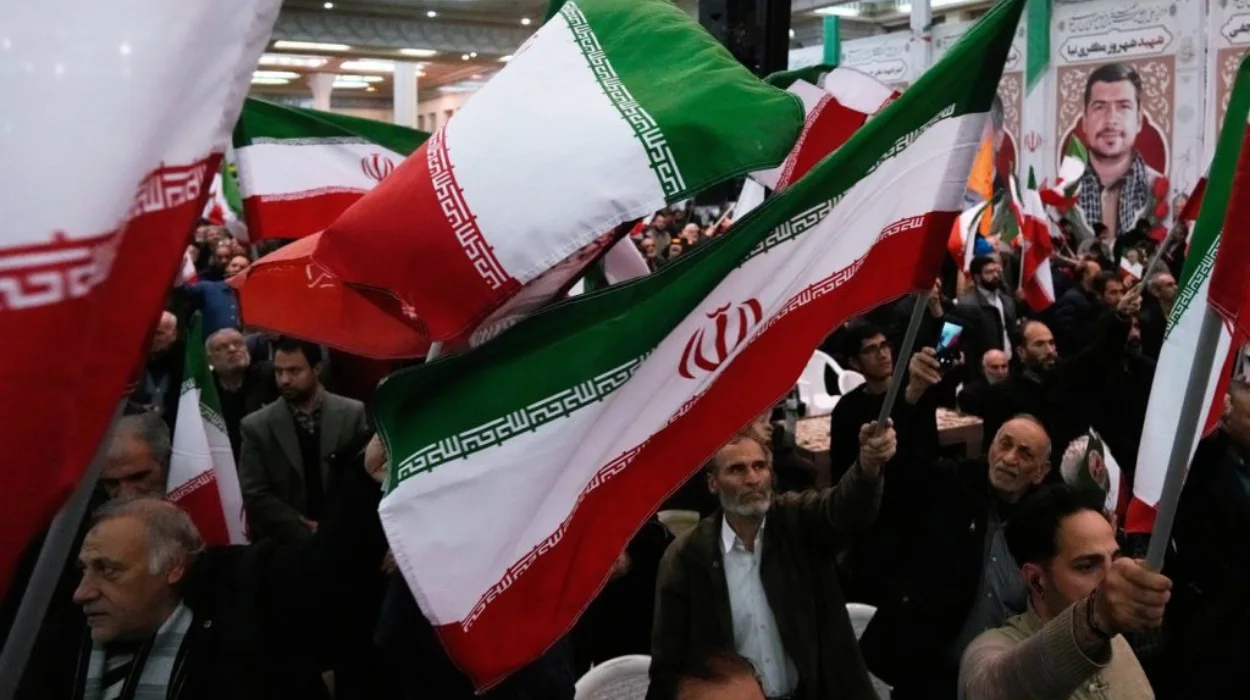
With the continuing anti-government rallies in Iran, the United Nations’ human rights chief, Volker Turk, has labeled the intensifying violence being perpetrated by Iran’s security forces as “horrifying,” citing reports that include the toll of hundreds killed and thousands arbitrarily arrested. The anti-government rallies that started in Iran on the 28th of last month primarily to protest the increasing inflation, prices of food staples, and the devaluation of the national currency have quickly transformed into demands for a new system of governance.
“The killing of peaceful demonstrators must stop, and the labelling of protesters as ‘terrorists’ to justify violence is unacceptable,”
Türk said, urging the Iranian authorities to immediately halt all forms of repression and restore full access to the internet and telecommunications. He emphasized that unrestricted digital access is critical for emergency response, independent monitoring, and the protection of basic human rights.
According to reports, since the beginning of the protests, children have been among those injured, with hospitals in many provinces inundated with injured people. Various international organizations dealing with human rights, like Iran Human Rights (IHRNGO) and Hengaw, have documented cases of mass arrest, arbitrary arrest, and attacks on medical staff. A total of 2,600 people have been arrested, including students from elementary and university levels.
Expedited executions and internet blackouts amplify repression
The matter has also been severely criticized by Turk and other UN experts, who are concerned about statements from Iranian judicial officials about possibly speeding up the death penalty for protesters. This situation is not an isolated one, as according to Amnesty International, at least 646 people have been killed in protests over the past two weeks, including 133 security forces, although no accurate figures are available because the Iranian government has blocked the internet since 8th January.
The internet and telecommunication blackout practiced by the Iranian government is representative of its general approach towards stifling information, hindering the monitoring of human rights, and shaping public opinion. The United Nations has emphasized that the current practices violate the international law right to freedom of expression, thereby adding to the excessive use of force in the streets.
The security forces have been using rifles, as well as shotguns firing metal pellets, on the crowds, water cannons, tear gas, and beating up protesters. There have been confirmed cases of raids on hospitals, the use of tear gas inside hospitals, as well as efforts to arrest protesters despite their injuries. The manner in which protesters have been dealt with calls to mind past incidents, such as those pertaining to the 2019 Mahsa Amini protests, whereby there were hundreds of fatalities.
Experts say that any slapping of death sentences on protesters would amount to state-sanctioned extrajudicial killings and further violation of international norms. Volker Türk observed that Iran’s continued labeling of protesters as “terrorists” serves as an excuse for heightened violence, but such labeling even fails to justify repressing lawful peaceful assembly.
International response and the urgent call for accountability
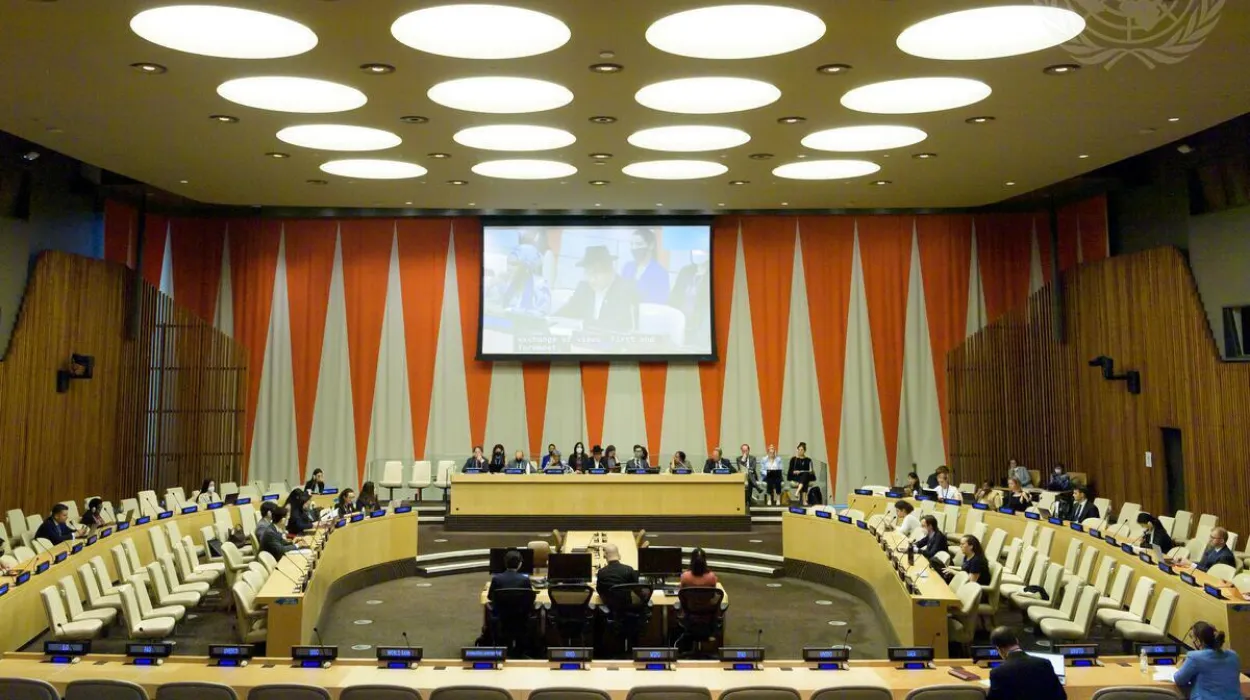
Independent UN human rights experts have called on the Iranian regime to end the cycle of violence and create meaningful avenues for dialogue.
“The use of lethal force against peaceful protesters, arbitrary arrests – including of children – and attacks on medical facilities represent clear violations of international human rights law,”
they said.
Global condemnation has been growing. Germany’s Chancellor Friedrich Merz said that
“when a regime can only maintain power through violence, it is effectively at its end,”
pointing to the growing domestic and international pressure on Tehran. The United States has signaled potential economic repercussions, with President Donald Trump threatening tariffs on Iran’s trading partners, though legal implementation remains uncertain.
The UN Special Rapporteurs highlighted that the crackdown not only violates the rights to freedom of peaceful assembly and expression but also threatens the international legal principle of proportionality. Civilian casualties, the targeting of children, and the suppression of humanitarian aid all point to systematic abuse. The experts emphasized that independent investigations must be conducted and those responsible held accountable.
Iran’s violent suppression of protests underscores a pattern of governance reliant on coercion rather than engagement. As inflation and currency devaluation continue to exacerbate public grievances, the regime’s reliance on lethal repression risks fueling further unrest and international isolation. Analysts warn that the combination of domestic violence, media blackouts, and threats of judicial executions may provoke a deeper crisis, potentially destabilizing the region and undermining Iran’s diplomatic standing.
“The Iranian people have the right to demonstrate peacefully,”
Türk stated.
“Their grievances must be heard and addressed, not instrumentalized to justify repression.”
For the international community, the crisis presents both a challenge and a moral imperative: to exert diplomatic pressure, demand accountability, and support the protection of civilians while maintaining mechanisms for monitoring and reporting human rights violations.