The United Nations has strongly denounced the latest U.S. actions in preventing oil shipments to Cuba, as it warned that the growing energy crisis is quickly turning into large-scale human rights abuses and humanitarian crises for the people of Cuba.
The United Nations High Commissioner for Human Rights, Volker Türk, called on the U.S. and its allies to remove restrictions that are hindering fuel shipments to Cuba, as the sanctions regime is exacerbating a “catastrophic socio-economic collapse” in the country.
According to U.N. officials, these policies are further aggravating shortages of electricity, water, healthcare, and basic sanitation in Cuba, bringing the country closer to a humanitarian crisis. The Cuban government’s reliance on imported oil, which has been largely provided by Venezuela, has made it extremely susceptible to global events.
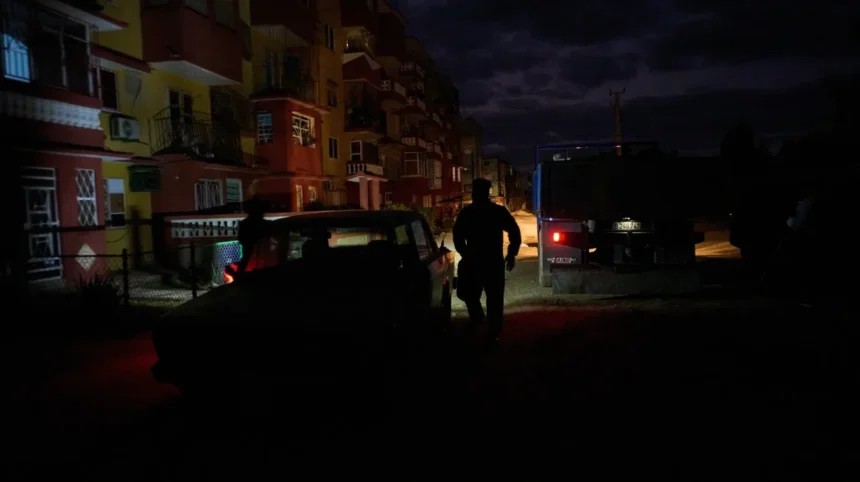
Due to the reduction in Venezuelan oil imports caused by U.S. policies and the inability of other countries to meet the demand, the Cuban energy sector has been unable to produce enough electricity, leading to power outages, a breakdown in public transportation, and a halt in essential services like healthcare and food.
Independent estimates suggest that Cuba imports the majority of its fuel needs and relies on oil-fired power plants for much of its electricity, with renewable energy accounting for only a small fraction of generation capacity.
“We are extremely worried about Cuba’s deepening socio-economic crisis — amid a decades-long financial and trade embargo, extreme weather events, and the recent U.S. measures restricting oil shipments,”
said Marta Hurtado, a spokeswoman for Türk’s office in Geneva. She emphasized that fuel shortages have undermined access to clean water, sanitation, and essential public services, raising serious concerns about the right to health, food, and an adequate standard of living.
The Trump administration has stepped up the pressure on the Cuban government in recent months, declaring a “national emergency” in view of the “unusual and extraordinary threat” posed to the national security of the United States by Cuba, without, however, producing any evidence to support the claim. The Trump administration has also threatened to impose punitive tariffs and economic sanctions on any country that exports oil to Cuba, which has been condemned by U.N. human rights experts as a violation of international law.
Human rights activists believe that such policies constitute a form of collective punishment, which affects the majority of civilians rather than the political elite. Experts at the U.N. emphasized that
“unilateral sanctions that interfere with the enjoyment of essential items may violate international human rights law, especially when they relate to life-sustaining items such as energy and health.”
According to Hurtado,
“Policy objectives cannot be used to justify actions that per se violate human rights.”
The conflict is emblematic of larger tensions between the United States and the United Nations regarding human rights and international law. Although the United States has indicated a partial normalization of relations with the United Nations, including commitments to pay off billions of dollars in arrears, the international policies and practices of the United States continue to be questioned by international human rights bodies.
The United States currently owes around $2.2 billion in arrears for the years 2025 and 2026, which has caused concern at the United Nations regarding the financial sustainability of the organization in the face of global crises.
Recent U.S. actions have been criticized for more than just Cuba policy. Türk has already criticized U.S. attacks on suspected drug-smuggling ships as possibly violating international law, while U.N. experts have urged an independent inquiry into deadly shootings during U.S. immigration enforcement operations. The U.S. has dismissed these demands, claiming that its policies are within legal bounds, although the administration has been accused of not providing clear evidence or allowing outside scrutiny.
For Cuba, the consequences are immediate and existential. With fuel shortages crippling hospitals, water, transportation, and food chains, U.N. officials say that the further politicization of energy access could push the island into an even deeper humanitarian crisis. With tensions escalating globally, the crisis is quickly becoming a test case for the limits of unilateral sanctions and the international community’s commitment to safeguarding civilians from the geopolitical weaponization of essential resources.