El-Fasher, the capital of the state of North Darfur in Sudan, has been described as a “crime scene” by a United Nations team of assessors, following the first entrance of foreign aid workers into the city since its capture by the Rapid Support Forces in October.
After weeks of negotiations with armed groups, the visit on Friday allowed representatives of the UN restricted, one-hour entry into a city that was an important humanitarian hub and had a population of hundreds of thousands of people, including displaced ones.
"Send a clear, united message: those who enable this war will be held accountable."
— @UNDPPA's @khiari_khaled urges Security Council to demand peace in Sudan, protect civilians & ensure accountability for violations of international law. https://t.co/EH1jHmBa1f pic.twitter.com/CzG68D20UN
— United Nations (@UN) December 23, 2025What did UN teams find inside the city?
It was found to be an empty urban area except few civilians, according to Denise Brown, the UN resident and humanitarian coordinator in Sudan.
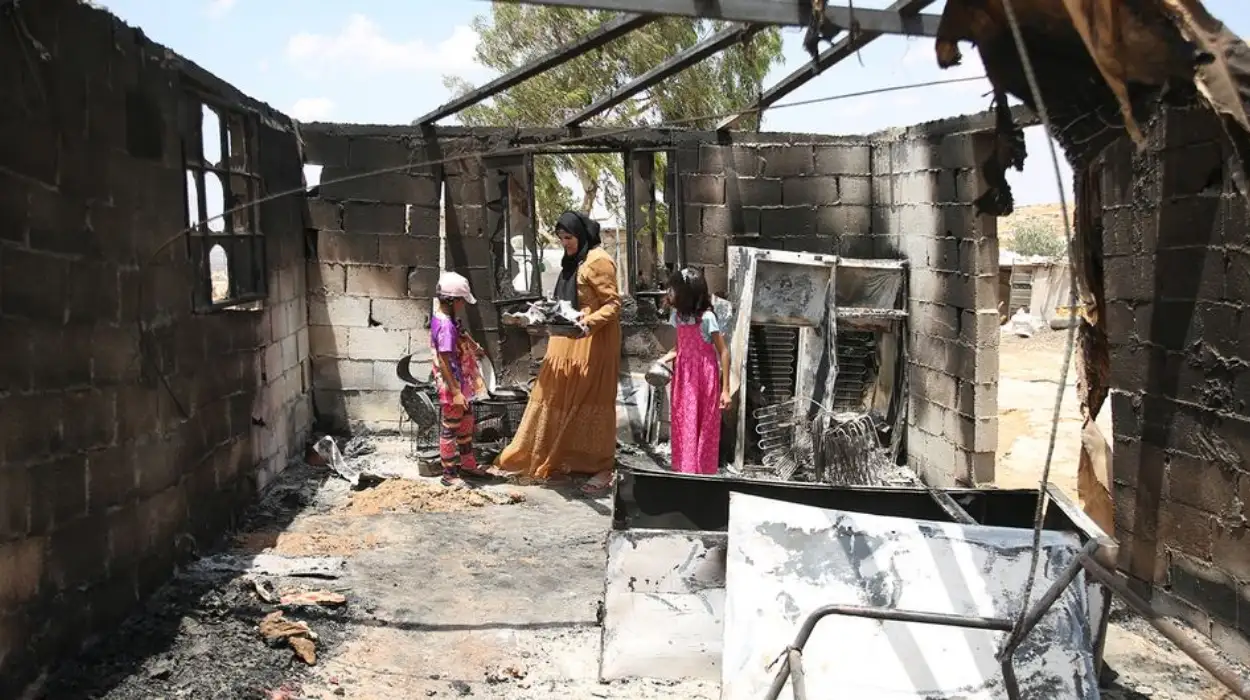
“There were very few people around,” Brown explained, “and those who remained had very little access to food or services and are forced to take refuge under plastic sheeting or in abandoned buildings.” A market existed in the community, but it only offered vegetables that could be grown in the area; it pointed to the failure in supply chain systems.
It was after a long period of siege, violence, and lack of supplies in the neighborhood that the photographing captured the communities being extremely exhausted, worried, and traumatized.
How did the RSF capture el-Fasher?
After an 18-month siege during which humanitarian aid was excluded and civilians were regularly targeted, the town of El-Fasher finally fell to the RSF on October 26.
This became the last major stronghold of the Sudanese Armed Forces (SAF) in Darfur. By taking over the city, the RSF was able to secure their dominance over a significant part of the region, taking the conflict westward, then southward to Kordofan.
What atrocities were reported after the takeover?
Those persons who survived and left the city testified about abuses, large arrests, and ethnically motivated killings. Within days following the coup, over 100,000 civilians fled the city of el-Fasher.
A Yale University Humanitarian Research Lab report released in December documented what it described as a systematic RSF effort to erase evidence of mass killings, including burial, burning, and removal of human remains.
UN ?? Humanitarian Coordinator for #Sudan described #El-Fasher #Darfur as “a crime scene”
““The town was not teeming with people. There were very few people that (they) were able to see," she said, describing a visit to al-Fashir by U.N. staff on Friday” pic.twitter.com/NMaKjuU9Li
— Humanitarian Research Lab (HRL) at YSPH (@HRL_YaleSPH) December 29, 2025Satellite imagery showed that by late November:
- 72% of sites containing objects consistent with human remains had shrunk
- 38% had disappeared entirely
How severe is the humanitarian crisis for children?
The situation for children in North Darfur has reached what UNICEF called an “unprecedented level” of malnutrition.
Over 50% of children under five in Um Baru locality, Sudan, have been found to be acutely malnourished.
“When severe acute malnutrition reaches this level, time becomes the most critical factor.” – @unicefchief
Read more: https://t.co/44M5qsNser pic.twitter.com/9R6sbCbEDP
— UNICEF (@UNICEF) December 29, 2025In Um Baru locality, screenings conducted this month showed:
- 53% of 500 children were acutely malnourished
- One in six suffered from severe acute malnutrition, a condition that can be fatal within weeks without treatment
Aid agencies warn that continued insecurity and funding shortages are severely limiting life-saving interventions.
What is happening in surrounding regions?
Violence did not stop even after el-Fasher. In a recent wave of RSF attacks in Ambro, Serba, and Abu Qumra in the Dar Zaghawa region near the border with Chad, more than 200 people were killed, the Sudan Doctors Network said, on the basis of ethnicity.
The offensive, which began on December 24, threatens to cut off the last remaining escape routes of civilians attempting to flee into neighboring Chad.
What happened at the Zamzam displacement camp?
According to a UN Human Rights Office report, RSF forces killed more than 1,000 civilians during a three-day attack on the Zamzam displacement camp in April.
#Sudan: Our report out today details killings, torture & other violations by the RSF during its takeover of Zamzam IDP camp in April.
Over 1,000 civilians were deliberately killed, in what may constitute the war crime of murder.
Those responsible must be punished.
??… pic.twitter.com/xs6CELCDWJ
— UN Human Rights (@UNHumanRights) December 18, 2025The report’s documentation of patterns of sexual violence, including rape, gang rape, and sexual slavery, raised concerns over the atrocities in Darfur, likened to those committed during the conflict in the 2000s.
Why is el-Fasher’s fall historically significant?
The RSF originated from the Janjaweed militias, which were supported by the Sudanese government during the Darfur conflict twenty years ago and were accused of genocide against non-Arab communities. El-Fasher’s story represents the return of mass violence in Darfur with little if any international intervention or accountability.
How many people have been displaced?
According to the UN:
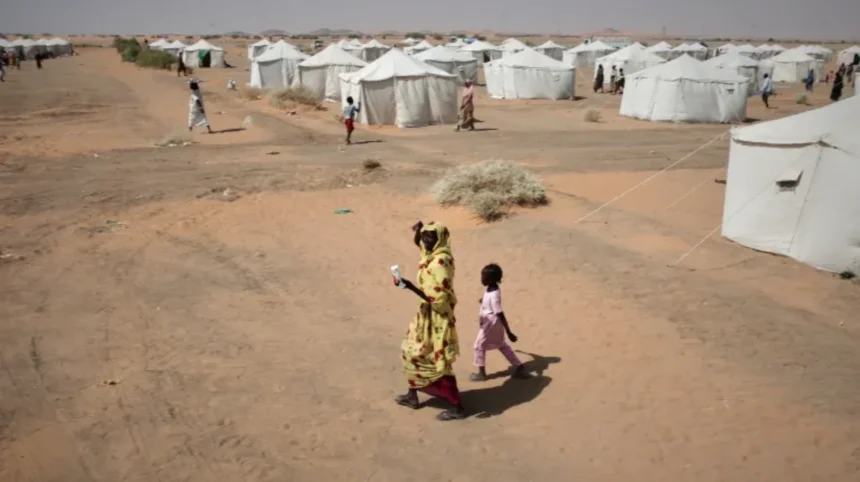
- 107,000 people have been displaced from el-Fasher and nearby areas since late October
- 72% remain displaced within North Darfur
- 1.17 million people originally from el-Fasher are now displaced overall
Nearly three–quarters were already internally displaced from previous violence, forcing some families to flee three or more times.
How does this fit into Sudan’s wider war?
Sudan’s war erupted in April 2023, following a power struggle between the SAF, led by General Abdel Fattah al-Burhan, and the RSF, commanded by Mohamed Hamdan Dagalo (Hemedti).
The conflict has:
- Killed more than 100,000 people
- Displaced 14 million, including 4.3 million refugees
- Created what the UN describes as the world’s worst humanitarian crisis
Are peace efforts making progress?
Prospects for peace remain bleak. General al-Burhan has rejected negotiations, insisting the war will end only with the RSF’s “surrender” and withdrawal from areas seized after the
Jeddah-brokered agreement in May 2023.
The RSF has dismissed peace proposals, including one from Prime Minister Kamil Idris, calling demands for withdrawal “wishful thinking.” The US State Department has warned against rhetoric favouring military solutions and urged Sudan’s leaders to pursue dialogue and compromise.