

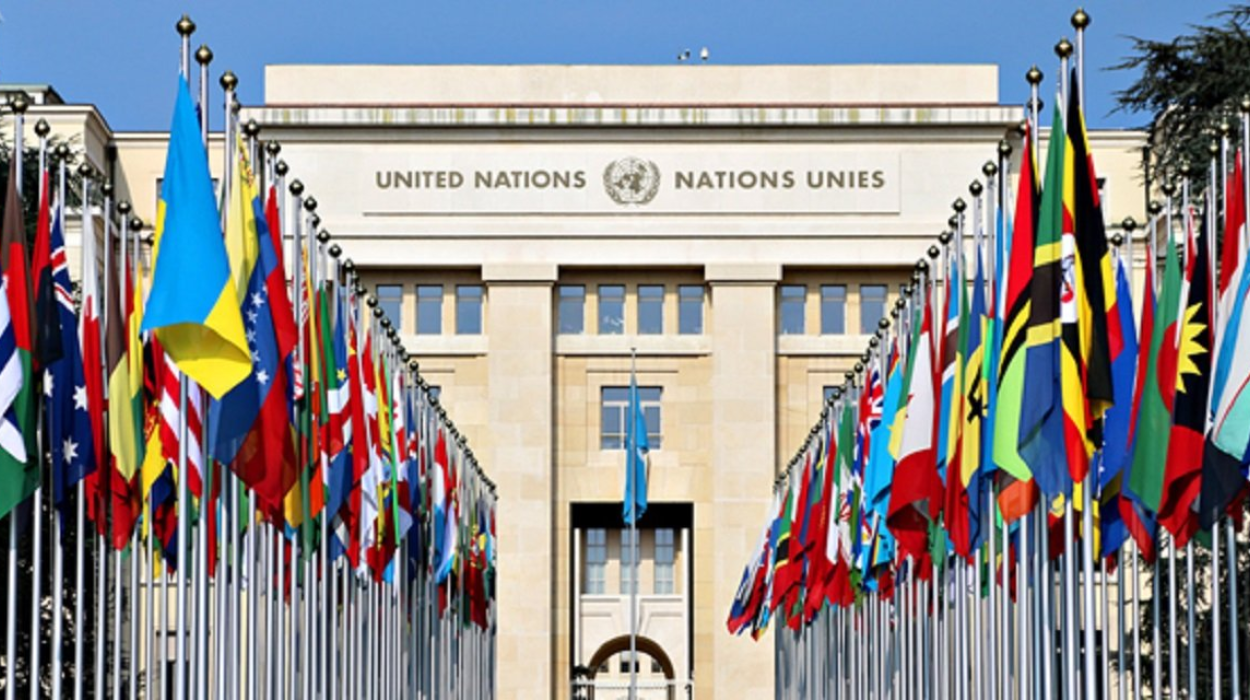

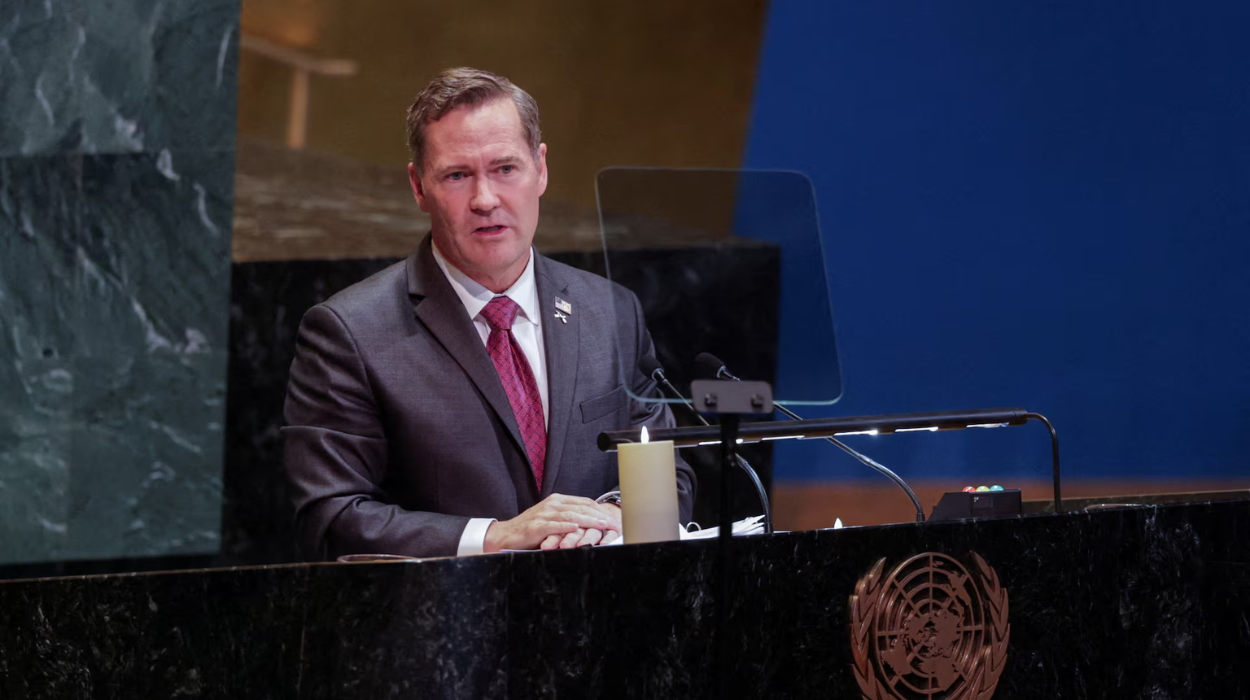
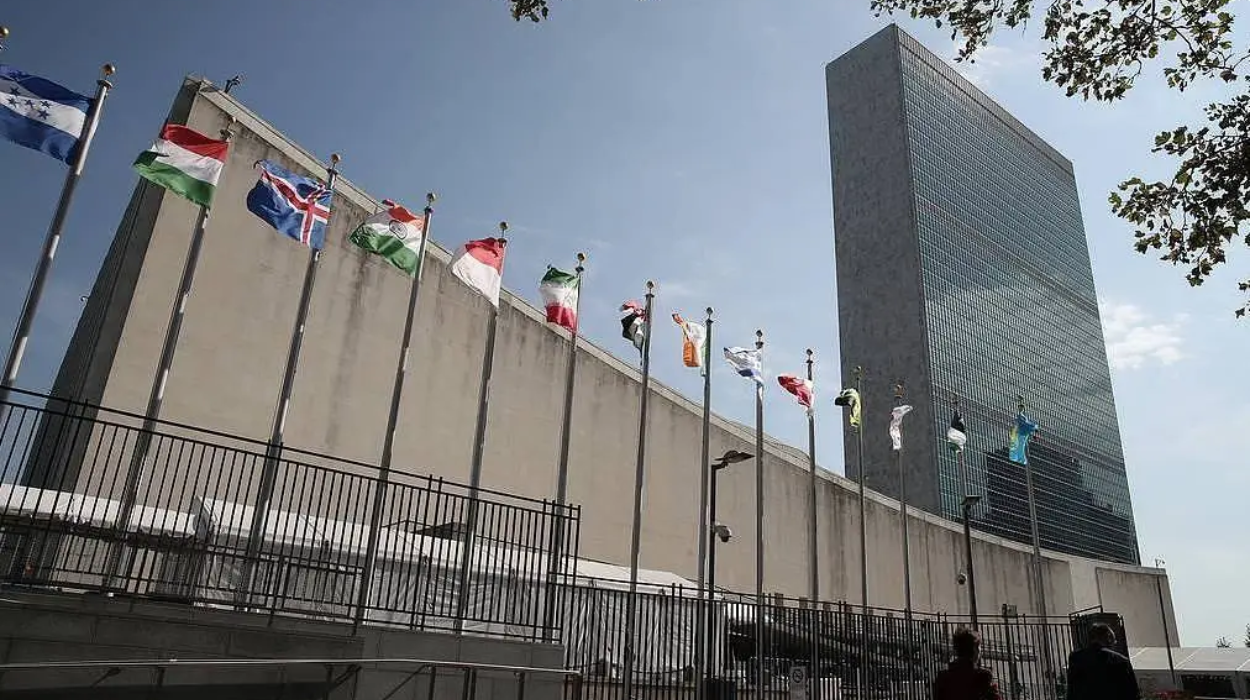
On 9 February in Geneva, the deputy head of the United Nations human rights office issued a chilling warning about the catastrophic effects of the financial crisis on the United Nations’ human rights work around the world.
“We have a system on the brink of collapse,”
she said, with reduced travel budgets, stalled investigations into atrocities, and even unpaid human rights experts unable to do their work because of drastic cuts.
These comments came after a warning by UN Secretary-General António Guterres that the UN may face a breakdown of its institutions by summer if member states do not pay their assessed contributions.
However, despite the severity of the situation, member states have been concentrating on cost-saving and efficiency initiatives rather than addressing the root causes. The deputy rights chief warned that budget reductions have reached a critical stage, saying there was no remaining excess to trim and that current cuts were undermining the system’s core capacity. Monitoring activities were reportedly reduced by more than half in 2025, with special procedures, treaty bodies, and investigative mechanisms also raising alarms about their shrinking operational capacity.
Accessibility and Country Visits Under Threat
The Office of the UN High Commissioner for Human Rights notified member states that it would be forced to significantly cut back interpretation and translation services, including international sign language and live captioning. This will have a severe impact on accessibility and participation in UN human rights mechanisms.
The UN committee on disability rights has stated that this is a form of discrimination because it violates the principles of reasonable accommodation and accessibility. Additionally, it will severely limit country visits by UN experts.
Chronic Underfunding and the Human Cost
Although the current crisis poses an existential threat to the UN human rights system, the sector has long suffered from chronic underfunding, receiving less than 1 percent of the UN’s total budget despite being one of its three core pillars. Recent budget cuts have disproportionately affected human rights activities.
In a recent funding appeal, UN human rights chief Volker Türk stressed that while the cost of human rights work is relatively modest, the human consequences of underinvestment are enormous and immeasurable.
The UN human rights system plays a critical role in preventing abuses, supporting victims, strengthening national legal frameworks, and warning of emerging crises. Special Procedures and Treaty Bodies have contributed to the release of detainees, halted harassment of activists, strengthened legal protections, and helped repeal harmful laws. Their work also guides responses to modern challenges such as artificial intelligence, transnational repression, legal capacity issues, and social security systems.
Special procedures are often referred to as the system’s “eyes and ears,” given their ability to highlight new issues and provide early warnings.
Complexity as a Strength, Not a Weakness
The international human rights system is frequently criticised for being overly complex and duplicative, particularly amid calls for streamlining during the UN80 reform process and the financial crisis. However, this complexity has evolved over time to provide multiple tools and approaches needed to address diverse and complex human rights challenges.
Independent investigations into grave abuses and atrocity crimes support justice processes, elevate victims’ voices, and deter perpetrators by signalling accountability. Their findings inform international responses, including protection measures, sanctions, and legal proceedings in domestic and international courts.
These investigative bodies also create space for the UN Human Rights Office to engage with authorities and conflict parties in ways that would be impossible for bodies collecting evidence for criminal prosecutions.
Severe Staffing Gaps and Reliance on Volunteer Experts
Despite their importance, many investigative bodies are currently operating with only 30 to 60 percent of their expected staffing levels. A Commission of Inquiry on atrocities in eastern Democratic Republic of Congo, established in February 2025, remained unstaffed by the end of that year.
Commissioners, mandate holders, and treaty body experts are often leading legal professionals and academics who work on a voluntary basis, supported by UN staff. Cutting mandates may reduce costs, but it also eliminates substantial unpaid expert labour that is central to the system’s effectiveness.
Efficiency vs. Core Mandate
Efficiency will be necessary as the UN navigates the financial crisis, and states should carefully assess the impact of initiatives at the Human Rights Council in consultation with civil society, experts, and affected communities.
However, experts warn that efficiency-driven reforms must not undermine the institution’s core mandate or dismantle mechanisms developed over decades. Some proposals have been criticised for risking the prioritisation of administrative efficiency over individual justice, with warnings that history will judge the UN by the real-world impact of its actions, such as freeing unjustly detained individuals.
Chronic Non-Payment and Structural Failures
Cosmetic reforms will not prevent collapse, and member states must address the fundamental causes of the crisis. Chronic underfunding, combined with widespread failure to pay dues on time, has pushed the system to the brink.
The United States bears the largest responsibility, with its non-payment accounting for roughly 95 percent of the current funding shortfall. By the end of 2025, 42 countries had not paid their dues, including eight members of the UN Human Rights Council. Late payments from China and other states have also caused severe cash flow disruptions.
Due to UN financial rules, the organisation had to return $300 million in unspent funds in 2026, largely because China paid its dues late in December 2024, leaving insufficient time to allocate the funds.
An Urgent Call for Multilateral Commitment
Some U.S. contributions may arrive and provide temporary relief, but the United States is increasingly seen as an unreliable multilateral actor. This makes it imperative for other states to mobilise long-term, multi-year funding for the UN human rights pillar, including the Human Rights Office and independent mechanisms.
Without sustained financial commitment, the global human rights system risks irreversible collapse at a time when international accountability and protection mechanisms are more necessary than ever.