The conflict between Israel and the United Nations regarding the United Nations Relief and Works Agency for Palestinian Refugees in the Near East (UNRWA) has turned into a very critical conflict over the rule of law and the safety of civilians in conflict zones.
What prompted the UN’s warning to Israel?
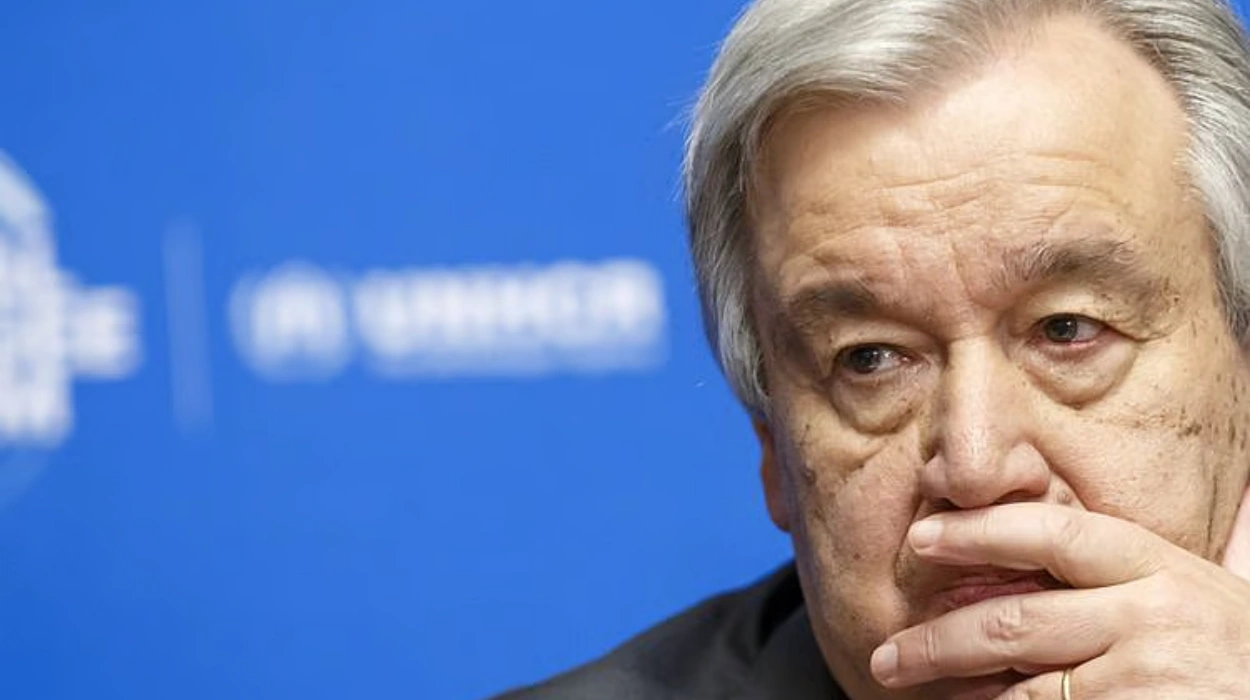
On January 8, 2026, United Nations Secretary-General Antonio Guterres wrote a highly critical letter to Israeli Prime Minister Benjamin Netanyahu, threatening that Israel could face litigation in the International Court of Justice if Israel did not rescind its legislation against UNRWA and return its seized property. Secretary-General Guterres said that
“the United Nations cannot stand idly by in face of ‘the actions taken by Israel, which are in direct contravention of the obligations of Israel under international law. They must be reversed without delay.’”
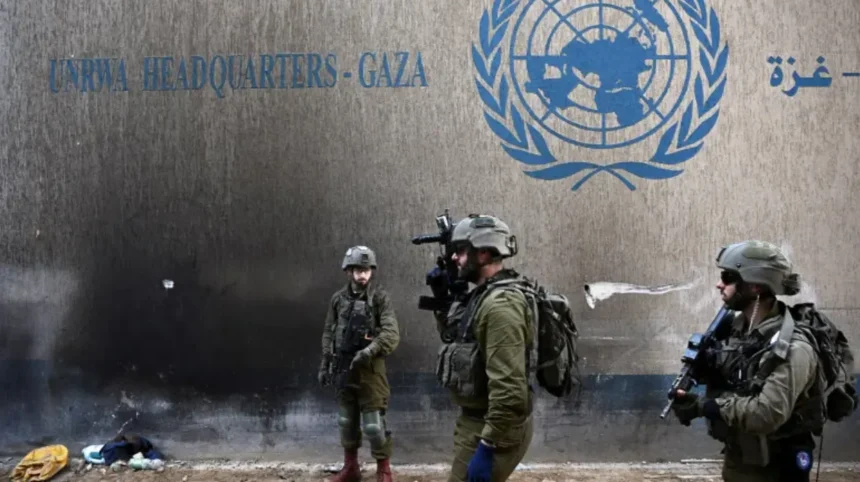
The legal framework on which Guterres relies comprises the 1946 Convention on the Privileges and Immunities of the UN, which states that all UN premises are inviolable and enjoy immunities to enable its personnel to carry out their functions. The recent developments in Israel’s legislations and operations, including banning UNRWA activities in Israel, a ban on meetings between Israeli officials and employees of the agency, ensuring a cut-off of electricity and water to its offices, and seizing its offices in East Jerusalem, are a clear rejection of these principles.
Israel’s justification and claims against UNRWA
On the heels of this argument, the UN’s relationship with UNRWA has been called into question, specifically with the accusation of ties to militants such as Hamas, of which the Israeli government has long been a critic. The Israeli UN ambassador, Danny Danon, rejected Guterres’ warning when he stated,
“Instead of standing up for the rules of international law, the UN defends an organization marred by terrorism.”
Israeli officials have accused a dozen UNRWA workers of taking part in the Hamas-led attack on southern Israel on October 7, 2023, which killed more than 1,100 people and led to the abduction of approximately 240 people. These allegations have contributed to Israel’s effort to weaken or ban UNRWA activities despite their services to the Palestinian people for half a century in the Gaza Strip, West Bank, Lebanon, Jordan, and Syria.
Humanitarian impact on UNRWA and Gaza civilians
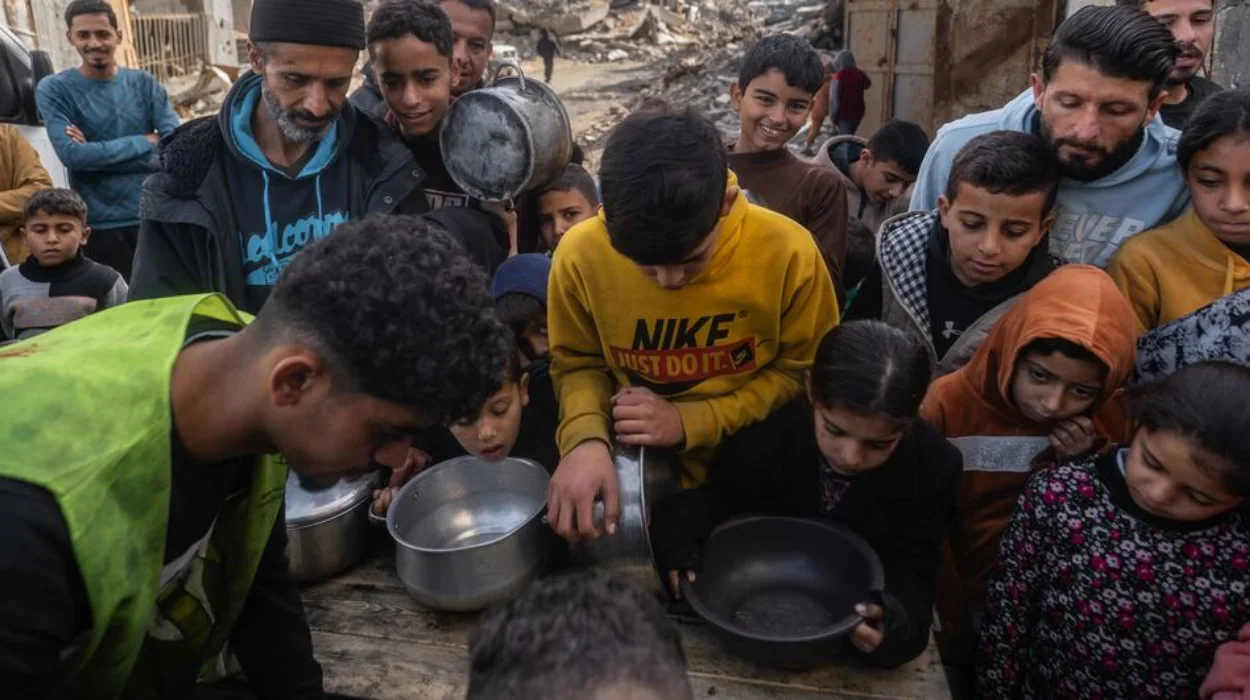
Critics say that this situation has worsened an already bad humanitarian crisis in Gaza, citing that according to the UN, more than 382 UNRWA staff members have died since the beginning of this conflict, making this conflict the deadliest conflict for UN staff in UNRWA’s history. Most of these have been in Israeli bombing raids on either Gaza’s hospitals, schools, or shelters for displaced Palestinians, which all qualify under international law for protection under protected civilian infrastructure.
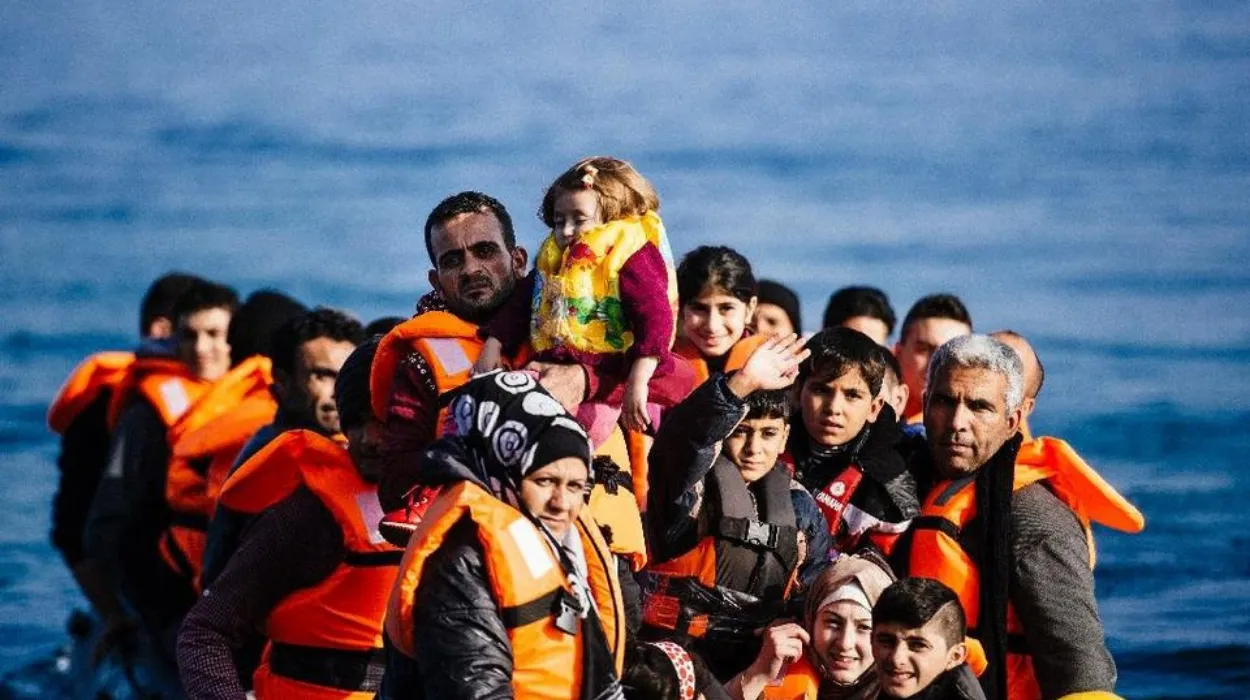
As per data provided by Gaza’s Health Ministry, over 71,400 Palestinians have died during Israel’s military assault in October 2023 alone, observed to represent “humanitarian catastrophe” levels by human rights groups. A staggering one million internally displaced persons reside in UNRWA shelters alone, most of them women, children, and the elderly, thereby underscoring high levels of civilian vulnerability during an assault.
Legal and political dimensions
Although the ICJ has delivered advisory opinions reaffirming that Israel is obligated to respect UN privileges and immunities, such opinions lack binding force and effect and therefore cannot be enforced. The advisory opinions have great political value, however, and form a potential basis for international accountability.
Israel’s new legislations that have prohibited any activities of UNRWA in Jerusalem are also in contravention of recommendations and resolutions adopted by the United Nations Security Council, which have declared East Jerusalem an occupied territory. It has been argued that there is a potential violation of the Fourteen Geneva Convention in view of activities that may undermine the role of the United Nations in discharging its humanitarian mandate.
The international response and future implications
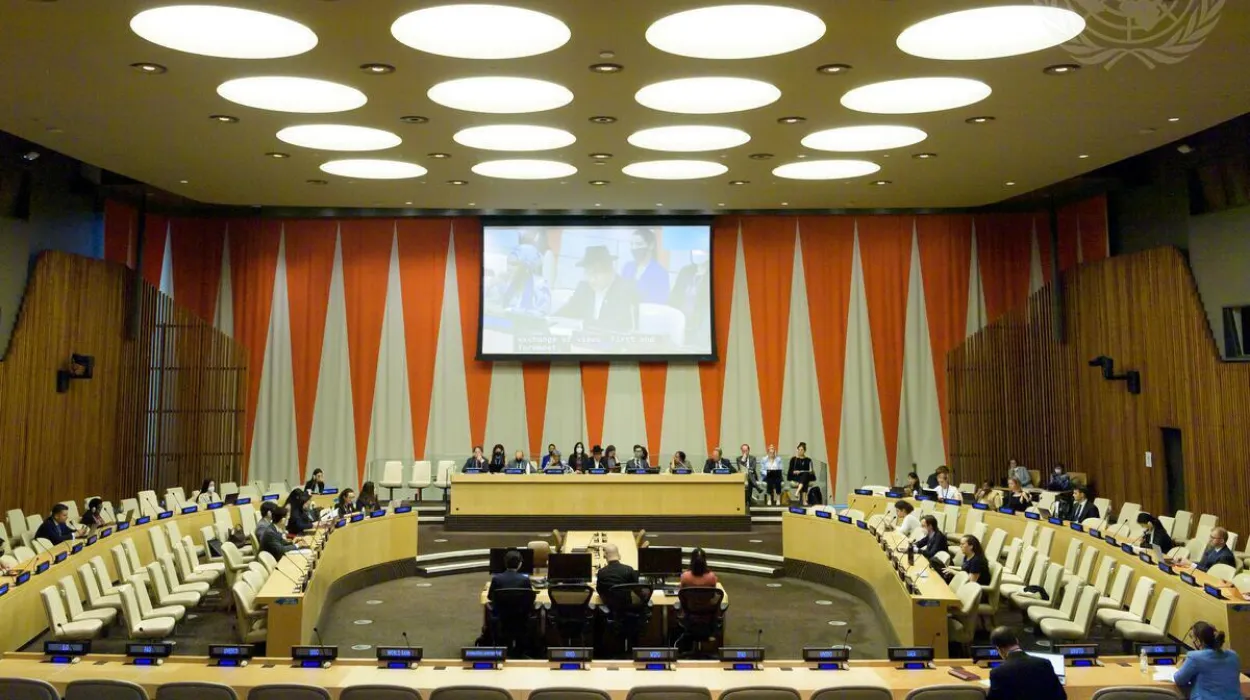
The UN and Security Council officials have repeatedly called for Israel to respect the agency’s operations. The international community faces a difficult balancing act: addressing Israel’s security concerns while ensuring the protection of Palestinians and UN personnel. The UN Secretary-General has made it clear that failure to reverse these measures could escalate the matter to the ICJ, yet enforcement mechanisms remain limited.
Experts warn that targeting UNRWA may not only jeopardize civilian safety but also risk further destabilizing the region. By undermining an organization that provides essential services to vulnerable populations, Israel’s policies could contribute to deepening humanitarian, political, and security crises across Gaza and the wider Middle East.