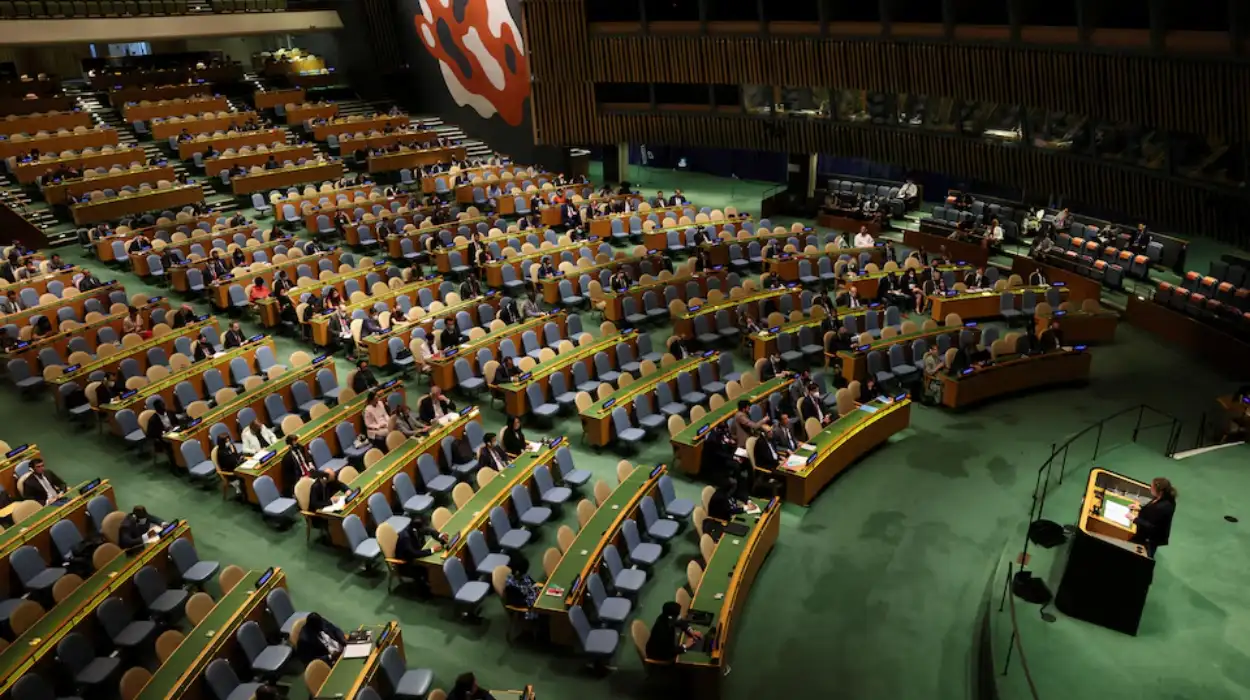
Israel’s recognition of Somaliland has drawn harsh criticism from the majority of UNSC members, who have warned that it could jeopardize Somalia’s territorial integrity and cause instability in the Horn of Africa and Red Sea.
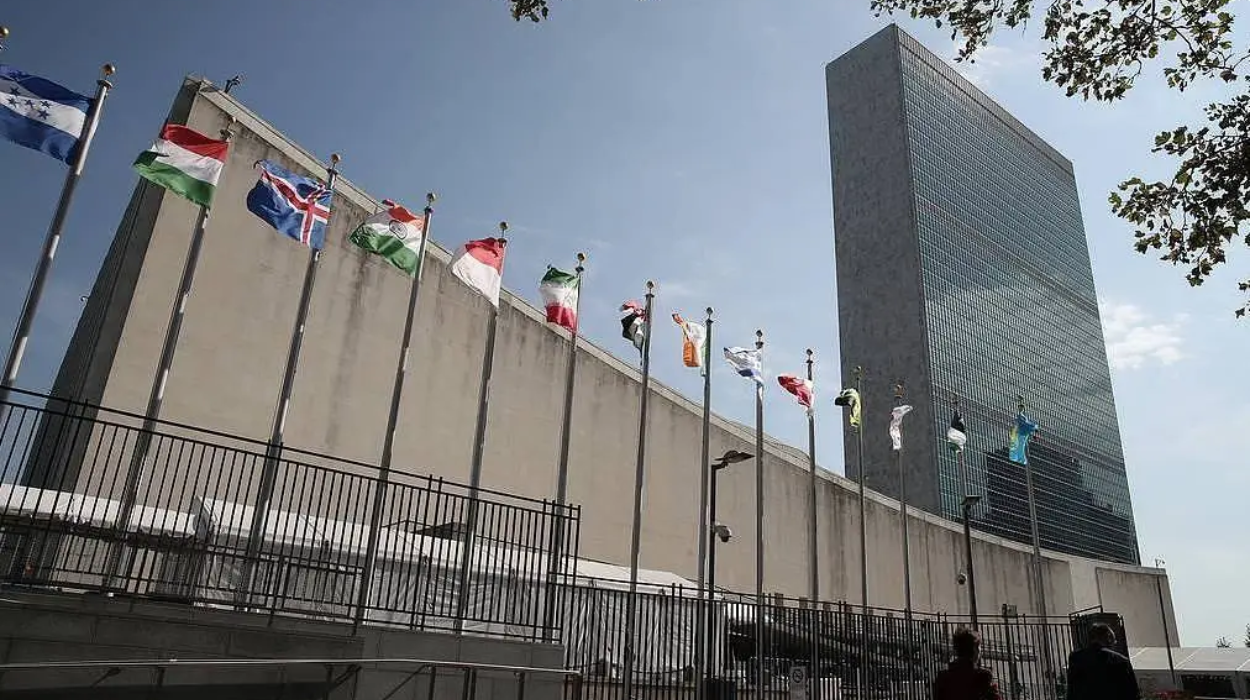
Israel became the first and only nation to formally recognize Somaliland, a self-declared breakaway region of Somalia that has been seeking international recognition for more than 30 years. This led to the emergency meeting in New York.
What is Somaliland and why is its status disputed?
In 1991, Somaliland proclaimed its independence from Somalia following the overthrow of the Siad Barre regime and the start of a civil war. Since then, it has maintained its own government, security forces, and electoral system.
Despite this de facto autonomy, the international community has consistently reaffirmed Somalia’s unity under the principles of the UN Charter and the African Union’s constitutive act, which prioritize territorial integrity. No UN member state had acknowledged Somaliland as a sovereign state prior to Israel’s action.
Why has Somalia strongly opposed Israel’s decision?
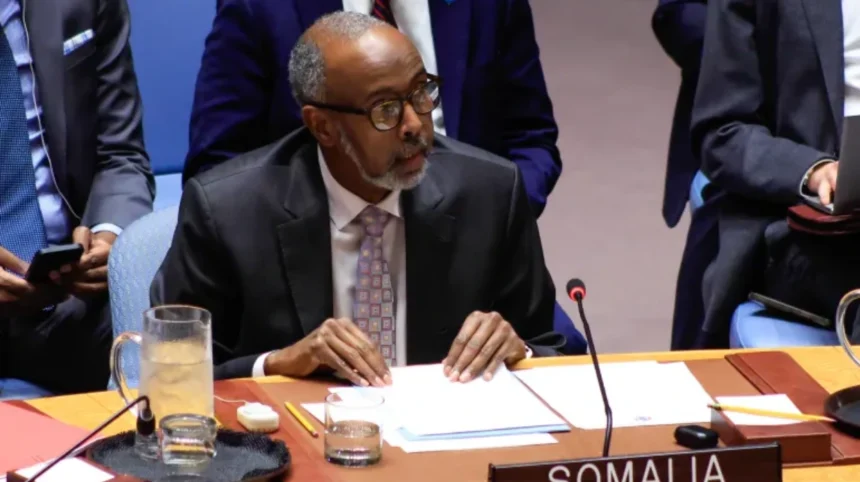
Speaking to the council, Abu Bakr Dahir Osman, the UN ambassador for Somalia, called Israel’s recognition a “act of aggression,” cautioning that it could fuel separatism, split Somalia, and heighten tensions in a region already plagued by conflict, piracy, and militant violence.
Osman called on UNSC members to vehemently oppose the recognition, claiming that it creates a risky precedent by allowing unilateral secession without parent state approval.
How is the Gaza war linked to Somalia’s concerns?
Osman told the council that Somalia was extremely concerned that Israel’s decision could be connected to discussions about the forcible displacement of Palestinians, calling such ideas a violation of international humanitarian law. Somalia expressed alarm over what it described as possible geopolitical motivations behind Israel’s move, including fears that Somaliland could be used to advance plans to relocate Palestinians from Gaza.
“This utter disdain for law and morality must be stopped now,” he said.
Israel has not publicly confirmed any such plans, but the allegations heightened scrutiny of the recognition decision.
Which countries condemned Israel’s recognition?
According to reporting from UN headquarters, 14 of the 15 UNSC members criticised Israel’s action. Countries expressing opposition included China, the United Kingdom, and several elected members of the council.
China’s UN envoy Sun Lei said Beijing opposed “any act to split” Somalia, warning that no country should support separatist movements to advance geopolitical interests. Non-council members also requested speaking slots. South Africa, for example, reaffirmed Somalia’s sovereignty, citing international law and African Union principles.
#AmbJoyini delivered a statement at Security Council today at an open debate on Somalia. South Africa reaffirmed the sovereignty and territorial integrity of Somalia in line with International Law and the principles of the UN Charter and the Constitutive Act of the African Union. pic.twitter.com/nG1PfB1L9C
— South Africa ?? at the UN ?? (@SAMissionNY) December 29, 2025Why did the United States take a different position?
Despite emphasizing that Washington’s own stance on Somaliland has not changed, the United States was the only UNSC member to not denounce Israel’s recognition.
Israel has the same right to establish diplomatic ties as any other sovereign state, US deputy ambassador Tammy Bruce informed the council. She emphasized, though, that the US had no intention of recognizing Somaliland. Bruce stated, “American policy has not changed.”
How did Israel defend its decision at the UN?
Israel’s deputy UN ambassador Jonathan Miller told the council that recognition of Somaliland was not a hostile act toward Somalia and did not rule out future dialogue between the parties.
“Recognition is not an act of defiance. It is an opportunity,” Miller said, arguing that the move could contribute to regional cooperation rather than confrontation.
What did Arab and Muslim countries say?
Speaking on behalf of the 22-member Arab League, envoy Maged Abdelfattah Abdelaziz rejected Israel’s recognition and warned against any measures that could facilitate forced displacement of Palestinians or allow foreign military use of northern Somali ports.
Pakistan’s deputy UN ambassador Muhammad Usman Iqbal Jadoon described the move as “deeply troubling,” particularly in light of Israel’s past references to Somaliland as a potential destination for Palestinians displaced from Gaza.
Why did the US compare Somaliland to Palestine?
The US delegation made a contentious analogy to Palestine, which is recognized by more than 150 UN members, in support of Israel’s decision. Bruce denounced what she described as “double standards,” pointing out that a number of nations had recognized Palestine without calling urgent UNSC sessions.
Why was the comparison rejected by other states?
Slovenia’s UN ambassador Samuel Zbogar strongly disagreed, saying Palestine’s situation is fundamentally different.
“Palestine is not part of any state. It is illegally occupied territory,” Zbogar said, noting that Palestine holds observer state status at the UN. “Somaliland, on the other hand, is a part of a UN member state, and recognising it goes against the UN Charter,” he added.