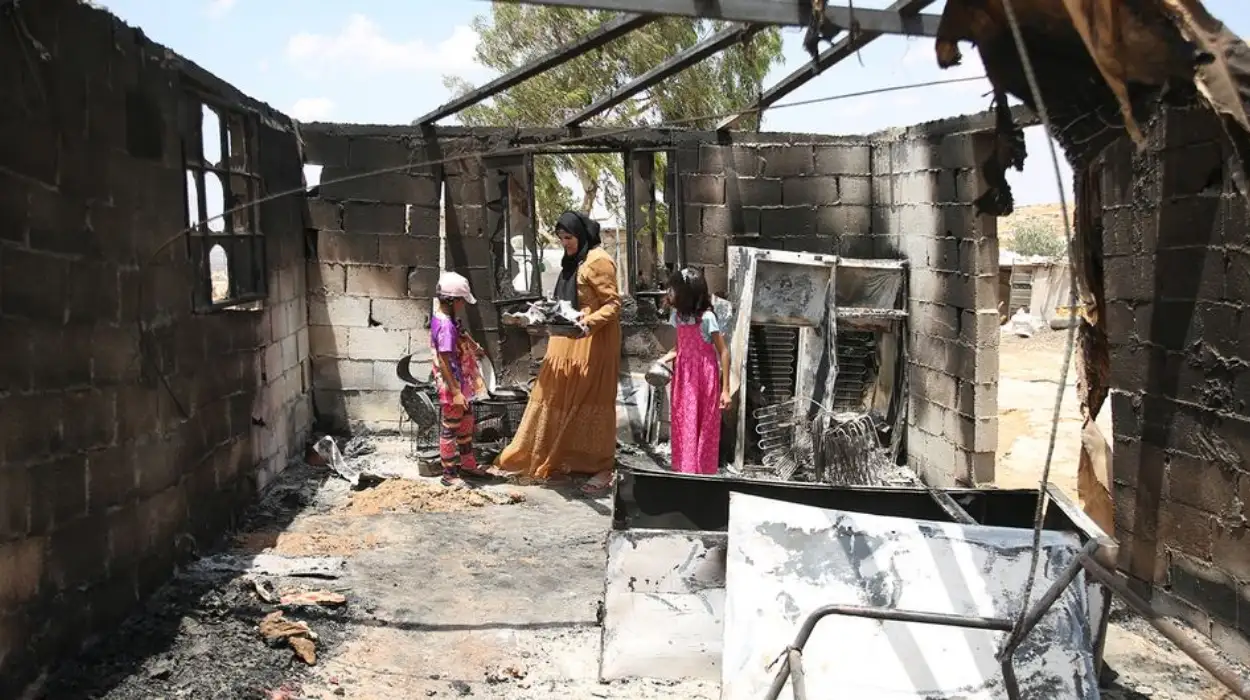
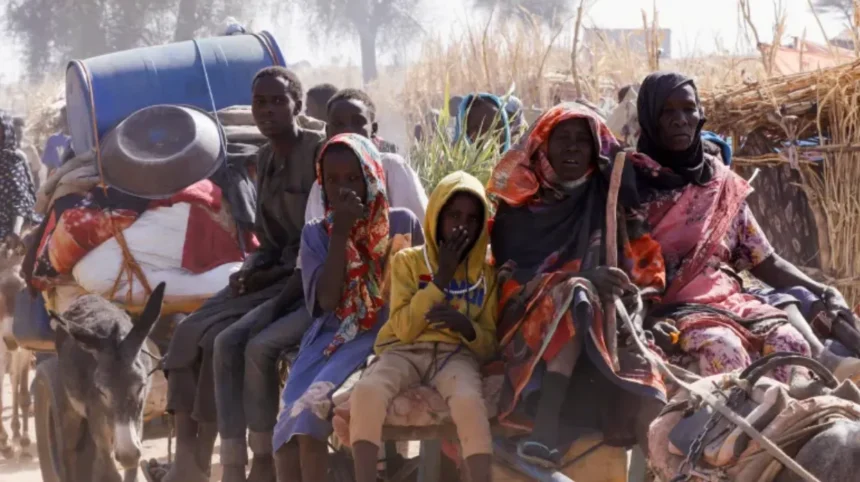
The United States’ announcement that it will only give the UN $2 billion in humanitarian aid represents a significant retreat from its longstanding position as the largest donor to the organization and a more profound change in Washington’s approach to international aid under President Donald Trump.
The new funding level, which was announced on Monday, is a small portion of the $15–17 billion that the US regularly contributed each year in the past, when it funded almost 25% of the UN’s development and humanitarian budgets. Of that total, US officials say $8–10 billion typically came through voluntary contributions, giving Washington significant leverage across UN agencies.
Humanitarian funding is falling far short of what is required to meet growing needs around the world.
Now more than ever, essential resources are critical to saving lives.
— via @UNOCHA pic.twitter.com/WtflGm2hd9
— United Nations (@UN) December 14, 2025The cut comes amid mounting criticism that the Trump administration’s sweeping rollback of foreign aid is accelerating hunger, displacement and preventable deaths across conflict-affected regions, as humanitarian agencies struggle to fill widening funding gaps.
Under the revised plan, the $2bn allocation will be pooled and selectively directed to specific crises, with 17 countries initially prioritised, including Bangladesh, the Democratic Republic of the Congo, Haiti, Syria and Ukraine. Afghanistan and Palestine were excluded from the list, with US officials saying Palestinian aid would instead fall under Trump’s still-unfinished Gaza Strategy.
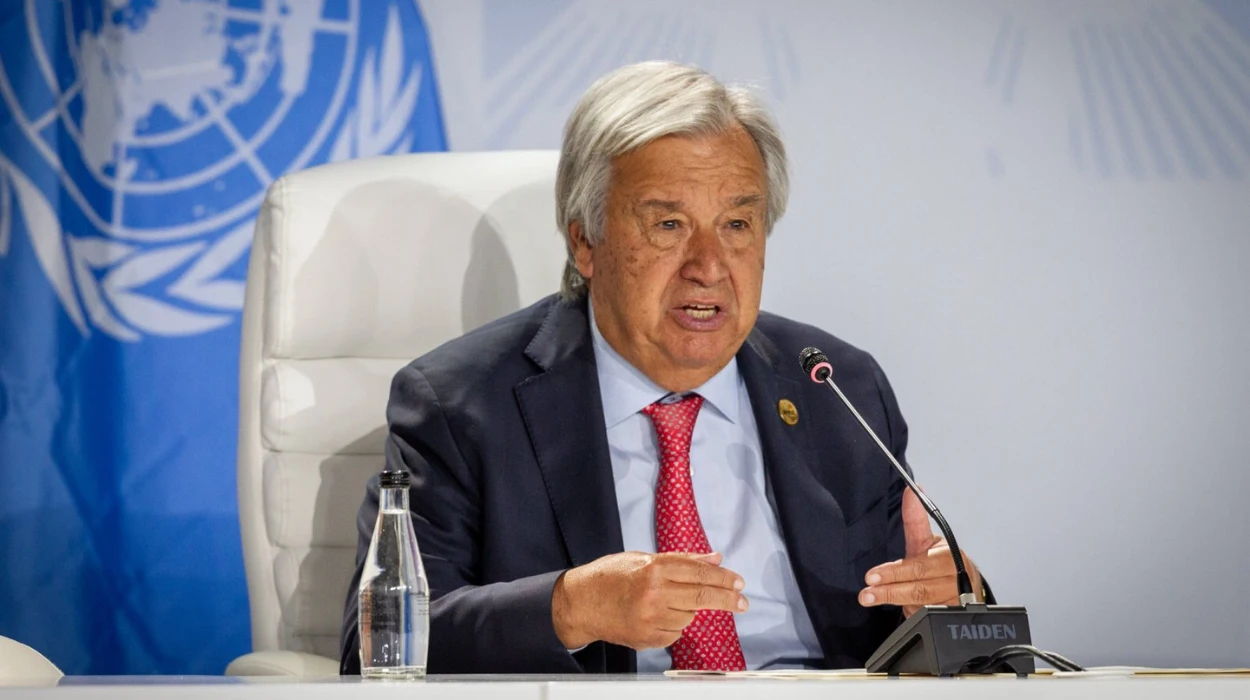
It breaks my heart to see the ongoing scale of human suffering in Gaza.
While famine has been pushed back, needs are growing faster than aid can get in.
We need more crossings, lifting of restrictions on critical items, removal of red tape, safe routes inside Gaza, sustained… pic.twitter.com/SIUDEQMPoD
— António Guterres (@antonioguterres) December 19, 2025From largest donor to limited partner
For many years, the United States has provided emergency food assistance, refugee protection, health interventions, and disaster response through organizations such as the World Food Programme (WFP), UNHCR, UNICEF, and the Office for the Coordination of Humanitarian Affairs (OCHA).
Washington, which saw humanitarian aid as both a moral duty and a tactical tool of influence, largely upheld its financial commitments to the UN even during times of political strain.
That posture has now shifted. Trump’s second-term agenda has prioritised budgetary retrenchment, national sovereignty and institutional downsizing, with foreign aid increasingly portrayed as inefficient, unaccountable or misaligned with US interests. The dismantling of the US Agency for International Development (USAID)—once the primary vehicle for American humanitarian outreach—has left UN agencies scrambling to replace funding streams that had anchored their operations for decades. Administration officials have bluntly told UN bodies they must “adapt, shrink or die,” according to internal communications cited by diplomats.
A broader Western pullback
Western donors are pulling back more broadly at the same time as the US decision. Due to domestic budgetary constraints and changing political priorities, Germany, which has historically been the UN’s second-largest humanitarian donor, has also drastically cut its contributions.
The UN’s 2026 humanitarian appeal for $23 billion, which is about half of the money it claims is required to address global crises, was unveiled earlier this month. This is a clear example of the extent of donor fatigue. UN officials issued a warning in June that they would be dealing with the largest funding cuts in the history of international aid, which would force agencies to contemplate program reductions never seen before.
The effects are already apparent. UNHCR issued a warning in July that more than 11 million refugees might lose access to basic services like food, shelter, and medical care. The organization predicted that it would end the year with just $3.5 billion to support 122 million displaced people worldwide because it had only received 23% of its $10.6 billion annual budget at that point.
UN agencies in Bangladesh warned that more than 230,000 Rohingya children’s education would be suspended and that vital services for Rohingya refugees were on the verge of collapse. In other places, the UN predicted a sharp increase in deaths from HIV/AIDS by 2029, directly attributing the trend to aid withdrawals.
Similar dire results have been reported by humanitarian organizations. Over 650 children in Nigeria have died from malnutrition in recent months, according to Doctors Without Borders, as food and health programs have been reduced because of financial constraints.
‘Controlling the spigot’
A senior US official, speaking anonymously to the Associated Press, described the $2bn package as part of a broader strategy to give OCHA tighter control over how funds are distributed—what the official called “controlling the spigot.”
The administration is pushing for greater centralisation and consolidation across UN humanitarian agencies, arguing that the current system is fragmented, duplicative and insufficiently accountable.
OCHA chief Tom Fletcher has previously warned of growing international “apathy” toward humanitarian crises and said the UN aid system was “under attack.” Yet Fletcher struck a conciliatory tone following the announcement, telling the AP that the US was still “demonstrating that it is a humanitarian superpower,” despite the reduced funding.
Critics dispute that characterisation, arguing that the scale of the cuts fundamentally undermines the UN’s ability to respond to wars, climate disasters and mass displacement at a time when global needs are at record highs.
A system under strain
Given the ongoing conflicts in Gaza, the Ukraine, Sudan, and the Sahel, as well as the rising number of climate-related disasters, the sharp decline in US and Western aid poses a threat to the humanitarian landscape. In the absence of a reversal, aid organizations warn that millions of vulnerable people will remain unprotected and that overworked local organizations will bear an increasing amount of the burden.
The US decision is not only a financial setback for the UN, but it also sends a political message: a more transactional and conditional model with far-reaching implications may be replacing the US’s long history of consistent leadership in global humanitarian response.