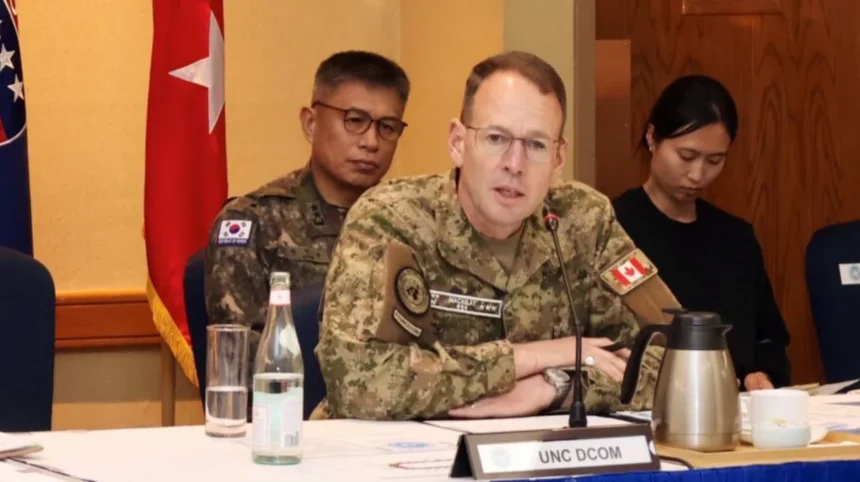
The Military Demarcation Line (MDL), which divides North and South Korea, is now under the jurisdiction of the United Nations Command (UNC). At one of the world’s most militarized borders, this action has reignited ongoing conversations about sovereignty, command responsibility, and crisis management.
Deeper structural issues resulting from the ongoing Korean War and the precarious armistice system are exposed by the UNC’s intervention. Since 1953, that has dominated the peninsula. The situation resulted from changes made by South Korea to its military guidelines in an effort to reduce the likelihood of unintentional confrontations with North Korea.
The episode demonstrates that even though South Korea is now an independent country with cutting-edge military capabilities and contemporary technology, the Demilitarized Zone (DMZ) is still governed by Cold War agreements.
In addition to being a bureaucratic assertion, the UNC’s insistence that it remain the sole administrator of the MDL and the DMZ reflects the continued absence of a peace treaty and the armistice system’s continued significance in preventing escalation between the two states that are technically at war.
The Armistice framework and the centrality of the MDL
The Military Demarcation Line received formal codification through the agreement which was signed on July 27, 1953 during armistice negotiation procedures. The MDL functions as the operational and legal foundation of the armistice regime by defining military operational areas and violation assessment methods. This extends beyond its role as a symbolic boundary.
The UNC expressed concern that any reinterpretation, no matter how well-meaning, could undermine a system based on accuracy, precedent, and international oversight by stressing that the MDL is “clearly depicted” in armistice documents.
In light of the growing number of North Korean crossings, South Korea’s recent revision of its border regulations, which directs troops to give priority to UNC-installed MDL markers while using national military maps when markers are unclear, was presented domestically as a practical measure to avoid unintentional confrontations.
However, even small unilateral changes run the risk of creating a precedent that obfuscates authority and makes enforcement more difficult, according to the UNC. Ambiguity itself is a strategic liability in a setting where errors in judgment can quickly worsen.
Why the UNC still matters seven decades on
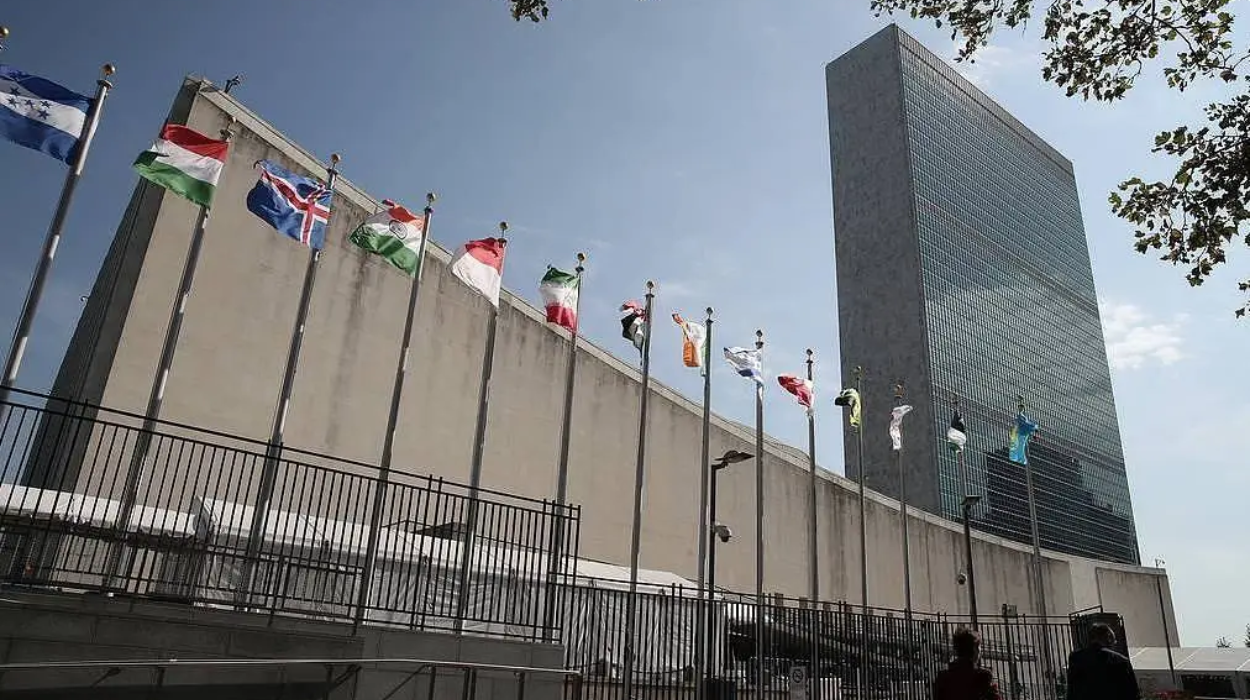
In the history of international security, the UNC holds a special place. It was the first collective security operation of the United Nations, established in 1950 under resolutions of the UN Security Council. While U.S.-led, it remains multinational in composition and legitimacy, drawing authority from the armistice rather than bilateral agreements alone.
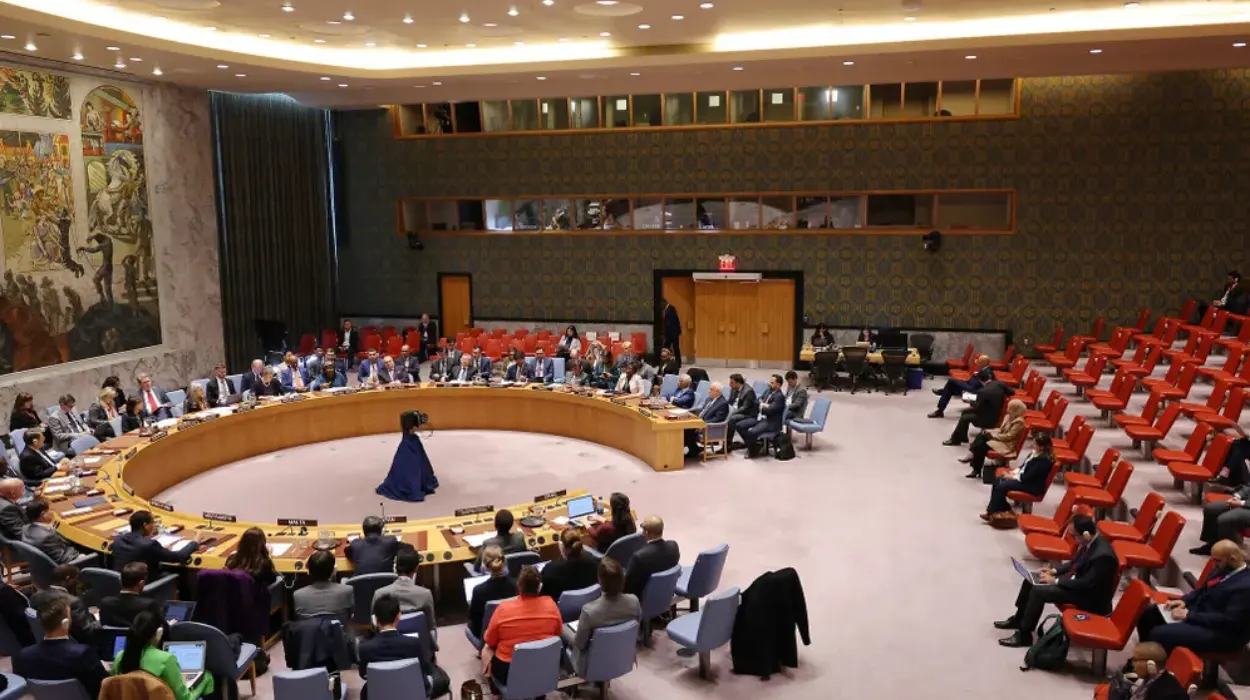
The UNC has functioned as a stabilizing presence instead of an active combat force since 1953. The organization operates the Joint Security Area at Panmunjom, and oversees the DMZ while maintaining armistice discussions and conducting violation investigations through the Military Armistice Commission and other organizations.
The ongoing presence of UNC forces demonstrates a legal principle which establishes UNC as the recognized international authority for ceasefire management. This continues until a formal peace treaty replaces the existing armistice agreement.
The command’s most recent opposition to a Seoul-backed bill, which aims to expand South Korea’s control over non-military access to the DMZ, demonstrates the ongoing conflict between national sovereignty and armistice obligations.
The UNC sees such actions as potentially undermining the neutral, multinational character that has helped prevent escalation during previous crises, even though South Korea increasingly believes it is capable of managing the DMZ independently.
North Korea’s challenge to the Armistice order
North Korea’s ongoing refusal to recognize the UNC as a legitimate authority makes the situation worse. Pyongyang maintains the MDL operates as an independent national boundary, which stands apart from armistice lines because it views the command as an unauthorized military organization. The position undermines established methods for settling disputes. It violates the legal system which protects the DMZ.
The present challenge becomes clear through the recent actions North Korea has taken. The North Korean military forces have made multiple crossings of the MDL since 2024, while constructing defensive structures, and placing explosives, which they continue to do despite UNC warnings.
These tactics appear strategic instead of being openly aggressive. Their combined impact creates harm which establishes a pattern of armistice violations that stretches the limits of South Korean and UNC military control.
Pyongyang has employed asymmetric and psychological methods alongside physical border crossings through its release of thousands of trash-filled balloons into South Korean territory.
The low-level nature of these actions creates stress on crisis management systems, while generating doubts about escalation routes because the Military Armistice Commission does not maintain regular contact, and North Korea continues to refuse participation.
The UNC demands all military discussions about the MDL to occur under its control because it remains concerned about separate communication channels. The armistice framework requires that all negotiations stay within established international systems, yet South Korea wants to establish direct contact with Pyongyang for border incident discussions. This shows its intention to reduce tensions.
The conflict reveals a broad challenge which involves updating a 70-year-old ceasefire system while keeping its core authority intact. The strict following of outdated methods threatens to lose its value because new threats, and advanced technology, continue to emerge. However, unilateral adjustments, whether made by Pyongyang or Seoul, run the risk of undermining the very systems that guard against miscalculation.
Strategic implications for regional security
The UNC’s power reassertion should be interpreted as a warning about armistice order fragility instead of viewing it as a criticism toward South Korea. The DMZ remains one of the few locations where conflict escalation stays under control through established rules and third-party monitoring, although North Korea continues to develop its nuclear and missile programs while becoming more aggressive.
The UNC’s function reduction would create effects that reach beyond the peninsula. This would make allied deterrence operations more difficult to carry out and damage the trust in armistice enforcement.
The organization needs to maintain its authority while establishing new coordination methods with South Korean forces to achieve stability until a complete peace framework becomes politically feasible.