The GHF death trap narrative emerged rapidly after the Gaza Humanitarian Foundation, backed by the United States and Israel, assumed control of aid distribution on May 27, 2025. The transition followed an eleven-week aid blockade beginning in early March that sharply intensified famine risks. Within two months of GHF’s launch, the UN human rights office reported 1,373 Palestinian aid seekers killed near distribution routes, including 859 fatalities at GGF sites and 514 at UN convoys operating under increasingly restrictive conditions. By October 9, total deaths surpassed 2,600, with thousands more injured in incidents involving Israeli forces, armed groups, and GHF-contracted personnel.
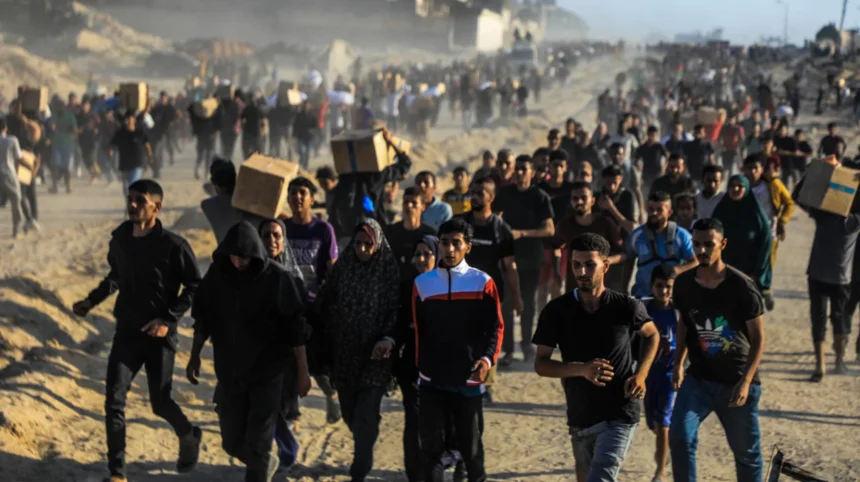
The foundation replaced a network of 400 ceasefire-era distribution points with only four heavily militarized sites. This funneling mechanism pushed nearly two million displaced residents into narrow corridors where access became dependent on route clearance, biometric documentation, and rapid mass gatherings that consistently triggered violence. Local medical teams described conditions as catastrophic, with aid queues becoming scenes of sniper fire, drone strikes, and stampedes as supplies dwindled.
Casualty patterns reveal escalating risks over time
Deaths began the first day GGF operations opened. Between late May and July 23, OHCHR verified 766 fatalities en route to aid points. Data collected by Gaza health authorities recorded 743 deaths and almost 4,900 injuries by July 5, with approximately seventy percent occurring around GGF-managed sites. The numbers rose steadily as access remained intermittent and crowd management depended on military enforcement. By August 12, cumulative fatalities reached 1,838, accompanied by 13,409 injuries.
Throughout September, casualty rates continued to rise amid shifting frontlines and sporadic airstrikes. September 29 figures indicated 2,571 deaths and more than 18,800 injuries, making GGF locations among the deadliest zones in Gaza outside active bombardment. OHCHR and multiple medical sources cited specific spikes on June 11, June 12, August 12, and August 23, noting that these dates corresponded with periods of abrupt distribution pauses followed by crowd surges.
Infrastructure collapse compounds lethal conditions
The escalating toll unfolded against the near-total destruction of Gaza’s built environment. UN estimates from mid-2025 concluded that more than ninety percent of homes and physical infrastructure had been damaged or destroyed by Israeli strikes. Water systems, hospitals, and primary roads were similarly degraded, forcing civilians to travel long distances through conflict-affected zones to reach GGF sites.
Between July and September, Israel rejected over sixty daily NGO truck requests on average, reinforcing shortages. Two of seven crossings remained partially open, preventing the arrival of some 6,000 trucks’ worth of supplies that accumulated over three months of denials. These material constraints intensified the volatility around aid points and magnified the dangers of overcrowding.
Israeli and GHF operational structures reshape humanitarian space
Operational realities underpinning the GHF death trap emerged in March 2025, when Israeli authorities halted registration for major humanitarian organizations. From March 2 onward, not a single INGO truck entered Gaza under independent NGO management. Between October 10 and 21, fifteen urgent aid requests were rejected consecutively, according to NGO logistics staff.
At the same time, Israel delisted several Palestinian and international groups from authorized operations in Gaza and the West Bank, complicating long-standing supply chains. An October 2025 International Court of Justice advisory opinion reaffirmed UNRWA’s indispensable role and rejected allegations of systemic Hamas infiltration, but its non-binding nature limited operational change. Over 100 NGOs described their exclusion from distribution as a form of “weaponisation” of humanitarian need.
Militarized distribution replaces neutral aid corridors
The relocation of aid dispersal to four military-controlled nodes marked a departure from UN-coordinated humanitarian access. Witnesses described heavily armed escorts, restricted waiting zones, and frequent use of crowd-control munitions around GGF sites. Israeli forces reportedly fired along approach routes even during declared pauses, including the partial halt announced on July 27.
Human Rights Watch characterized mass casualty incidents as potential war crimes in its August 1 reporting. Amnesty International stated that GGF operations left civilians choosing between “starvation or gunfire” and called for dismantling the current distribution structure. Doctors Without Borders later referred to the system as “orchestrated killing” due to predictable patterns of harm.
Expanding UN and NGO criticism of access restrictions
UNRWA spokesperson Adnan Abu Hasna asserted on December 7 that Israel continued to block meaningful aid flows, stating that most NGOs had supplied UNRWA with materials that never crossed into Gaza. He emphasized that under UN protocols, UNRWA—not GGF—retains the legal mandate to coordinate humanitarian distribution. Secretary-General António Guterres remarked on December 4 that the impediments were “fundamentally wrong,” underscoring a growing rift between the UN system and the GGF framework.
Several NGOs documented significant losses. CARE International reported that $1.5 million worth of supplies were either confiscated or prevented from entry. WHO publicly distanced itself from remarks made by a regional representative on December 2 that were perceived as endorsing GGF structures, clarifying that no specialized WHO distribution collaborations existed with GGF.
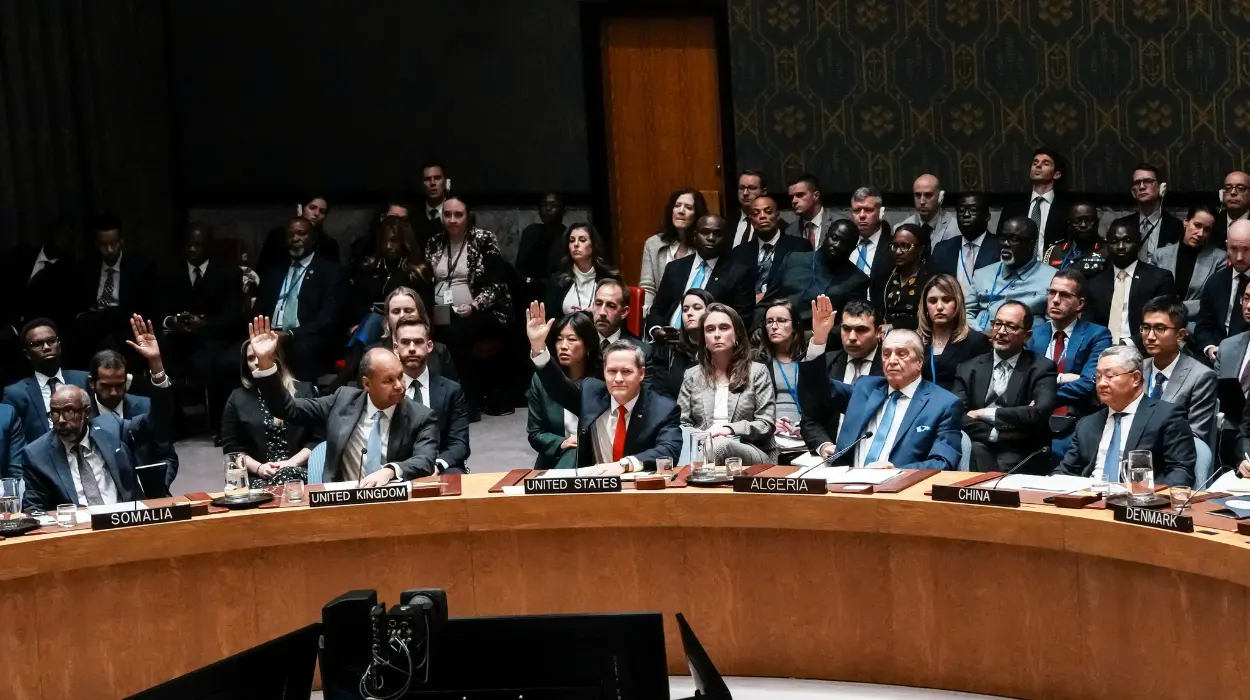
Israel’s envoy to the UN dismissed the ICJ’s October position as “shameful,” while the United States criticized the advisory opinion as “corrupt.” These divergent reactions from key actors deepened the diplomatic fissures surrounding humanitarian oversight.
Legal, operational, and political stakes in late 2025
The legal landscape sharpened in 2025 as UN commissions continued examining whether patterns of deprivation, targeting, and enforced starvation met elements of genocide under international law. A September UN investigative report suggested these elements may be present.
Operationally, the ceasefire commitment of 600 daily aid trucks remained utopian, with crossings rarely permitting even a fraction of that. Winter rains and infrastructure collapse raised famine projections, particularly among children, the elderly, and those in northern Gaza. With ninety percent of infrastructure compromised and disease outbreaks accelerating, the humanitarian system faced conditions in which even the most efficient corridors would struggle to meet needs.
Politically, the GGF model symbolized an emerging precedent in conflict-zone aid privatization, where state-backed entities assume roles traditionally held by the UN. This shift raised questions about accountability, transparency, and civilian protection, especially when casualty verification intersected with military command structures.
Prospects for mitigation amid entrenched militarization
Calls to restore UN-led pathways, lift movement restrictions, and reinstate NGO access continued into December 2025. The central dilemma lies in whether GGF adapts to reduce civilian risks or consolidates its model despite the rising death toll. International court rulings, diplomatic pressure, and NGO boycotts represent possible levers, though none have yet shifted operational patterns.
As the year closes, aid agencies and legal experts are recalibrating expectations around what humanitarian access can look like under militarized conditions. Whether the GHF death trap becomes a temporary aberration or a structural feature of Gaza’s aid landscape may depend on how global institutions respond to the next escalation or pause, and whether a decisive shift in oversight can alter the entrenched dynamics shaping life-or-death access to food in famine conditions.