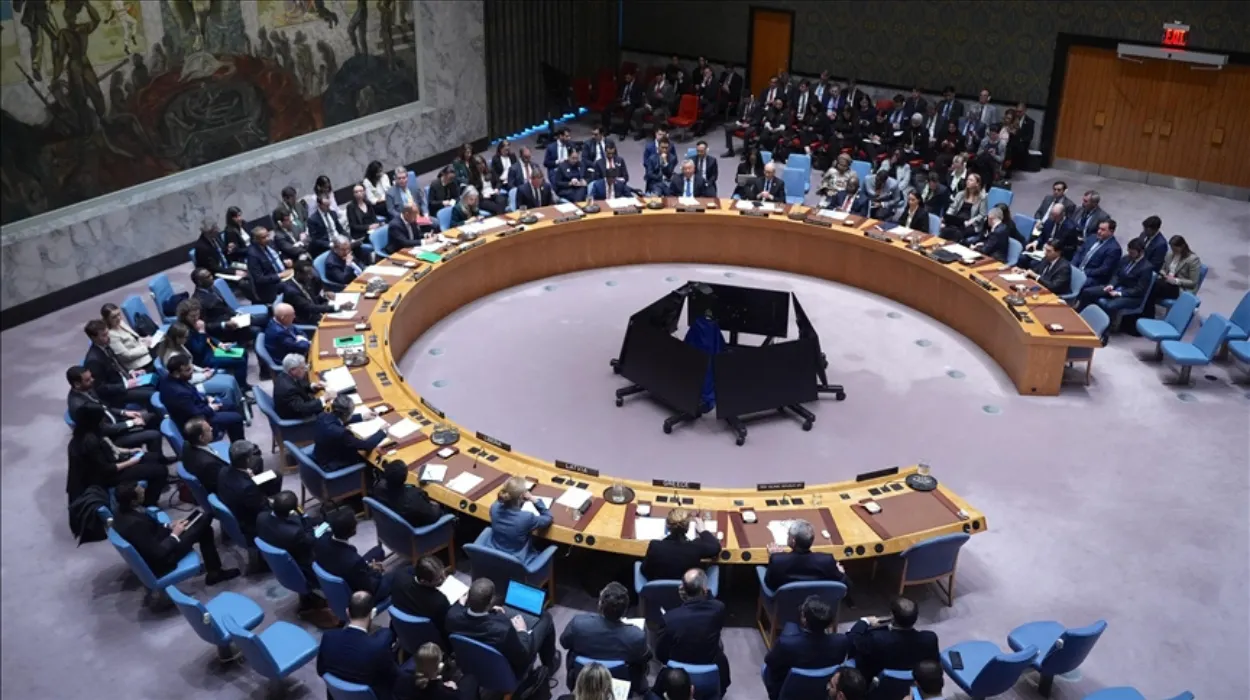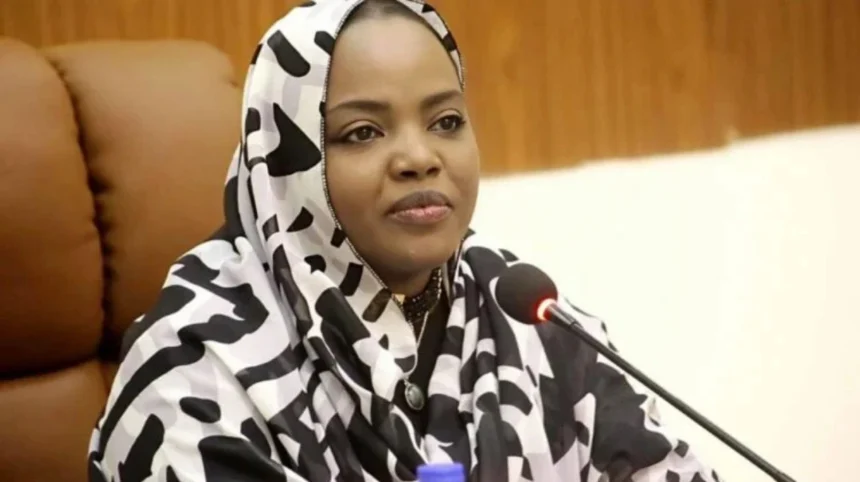
The UN Cooperation Pledge of Sudan has become a bone throw to the controversial issue of accountability in the country, which has a long history of civil war. The government officials have also recently declared that Khartoum is ready to cooperate with international investigators investigating the alleged atrocities carried out in the course of the war between Sudanese Armed Forces and Rapid Support Forces.
This commitment is almost three years following the outbreak of the conflict in April 2023 and when the humanitarian crisis is increasing throughout the country. According to international agencies, since the beginning of the fighting, over ten million persons have been internally displaced or even forced to flee to foreign countries. The United Nations Human Rights Council has documented the widespread violations such as targeted killings, sexual violence and destruction of civilian infrastructure.
It is against this background that Sudan officials say they are ready to collaborate with international structures charged with the responsibility of researching abuses. Human rights observers have questioned the declaration as they believe that the pledge is not a sign of actual commitment or a diplomatic act intended to quell the pressure of the international community.
Origins Of The Fact-Finding Mission
In October 2023, the UN created an independent investigative mechanism to record the atrocities and retain evidence in case of future prosecutions. The body which was officially called the UN Independent International Fact-Finding Mission to Sudan was mandated to gather testimony, satellite images and other documents associated with war atrocities.
Its investigators have gone through significant operational problems. The conflict areas are still inaccessible, and the mission is forced to use the most available options, which are remote interviews with survivors and online evidence that has been collected beyond the Sudanese borders.
Nevertheless, the mission has come up with some reports detailing trends of violence, which could be considered crimes against humanity.
Findings From 2025 Investigations
Reports issued throughout 2025 had credible evidence that there had been serious acts of violation of the international humanitarian law by both sides of the conflict. Incidents of indiscriminate shelling of the cities, displacement of ethnic groups forcefully, and systematic sexual violence in various regions were mentioned by the investigators.
The special focus has been put on the violence in Darfur where the investigators have reported patterns similar to the previous atrocities in Sudan during the past war in the early 2000s. Testimonies taken of the survivors and humanitarian aid workers point to the fact that there were specific attacks formed against certain ethnicities in the military operations.
These observed results have fuelled the demands of international bodies towards greater accountability systems.
Understanding The Nature Of Sudan’s Cooperation Commitment
The UN Cooperation Pledge by Sudan has been expressed mostly by the government officials who have made statements that they are willing to cooperate with the international investigators. Although the announcement is an indicator of a possible tone change, the practical meaning is not clear.
Official Statements And Diplomatic Messaging
The Sudanese authorities believe that the involvement in the international organizations shows the readiness to become more open. Government officials continue to argue that cooperation with UN investigators may allow in elucidating what is going on in the situation, and contribute to reconciliation in the future.
Sudanese delegates have also highlighted the issue of humanitarian aid and political discussions at diplomatic forums to solve the root problems that caused the conflict. The said statements position cooperation as one of the overarching measures to stabilize the country and reestablish state institutions.
However, this kind of messaging has not necessarily resulted in real-life assistance of investigative work.
Humanitarian Measures And Political Signaling
Governments have identified a number of programs that are aimed at showing goodwill. Among them are opening some of their border corridors to enable them to receive the humanitarian aid attacks and increasing initiatives that will help them deal with the threat of famine in the warring countries.
These measures are recognised by international observers although it is observed that they fail to provide a direct response to the main issue of accountability of alleged war crimes. The collaboration with humanitarian agencies does not necessarily imply the open and unhindered entry to the areas where investigators are recording abuses.
Humanitarian coordination and judicial cooperation are as such the difference between the pledge and whether it is credible or not.
Structural Obstacles To Genuine Accountability
To assess an UN Cooperation Pledge of Sudan, it is important to conceptualize barriers in the structure facing justice mechanisms in active conflicts. The institutional capacity of the country, especially in the judicial sector, has been hugely compromised by the war.
Collapse Of Domestic Legal Institutions
Since the fighting broke out, the domestic justice system in Sudan has been forced to operate poorly. In some major cities, the courts are closed or destroyed and the judicial officers displaced by violence.
In such circumstances, the state officials have fewer opportunities to prosecute alleged war criminals. This failure of institutions is the reason why international investigative mechanisms have turned out to be the main channel used to record abuses.
Nevertheless, in the absence of powerful domestic institutions that can enforce the legal decision, accountability mechanisms are prone to being more of a formality.
Limited Access To Conflict Zones
Investigators that deal with international missions usually have limitations when trying to reach areas where the atrocities are alleged to have happened. Direct observation of important sites can not be made because of security risk and political sensitivities.
There have been recorded recurrent delays in the issuance of visas, travel permits or security clearances to the investigative teams by human rights organizations. All these logistical challenges slow down the process of gathering evidence and makes it difficult to create detailed reports on the offences.
How much Sudanese authorities will be lenient with these restrictions will be a major pointer to the honesty of the pledge.
Diplomatic Calculations Behind Cooperation Narratives
The UN Cooperation Pledge of Sudan also indicates the overall diplomatic context of the conflict. The pressure of other nations has increased as humanitarian situations become worse and the facts of mass crimes appear.
Managing International Scrutiny
International organizations often focus on collaboration with the global organizations as one of the strategies of reducing criticism when governments are accused of war crimes. Diplomatic guarantees will minimize the chances of sanctions or other monitoring systems.
The promise of Sudan came at a time when a number of international actors were deliberating on what can be done to enhance accountability. Sudanese officials are likely to be attempting to influence such discussions and avoid more invasive actions by indicating their readiness to collaborate.
Influence Of Regional Mediation Efforts
Since 2023 regional powers and international organizations have tried to mediate ceasefires and humanitarian pauses. It has been repeatedly called upon through diplomatic efforts by Gulf states, African bodies and the western governments to provide better protection to the civilians.
The assurances by Sudan to cooperate with the UN investigators are rhetorically in line with these measures. Nevertheless, the mediation process has often been unsuccessful because the military groups continue to engage in conflict.
The oath thus exists in a further diplomatic environment in which symbolic gestures tend to go hand in hand with frozen negotiations.
International Responses And Pressure For Verification
The response to Sudan by the UN Cooperation Pledge has been reserved. Although diplomats applaud any sign of interaction with investigative organs, most emphasize the need to take specific actions instead of making declarations.
Expectations From Human Rights Advocates
Human rights organizations postulate that true cooperation entails the provision of investigators with access to witnesses, documents and places of alleged crimes. Devoid of these measures, the pledge will continue being more of a rhetoric.
Advocates also emphasize the importance of protecting survivors and whistleblowers who provide testimony. Ensuring their safety is essential for gathering reliable evidence and maintaining trust in investigative processes.
Role Of Multilateral Institutions
International institutions continue to monitor developments closely. The renewal of the fact-finding mission’s mandate in 2025 signaled that many governments remain committed to documenting violations despite operational difficulties.
For these institutions, Sudan’s cooperation pledge represents both an opportunity and a test. If authorities provide meaningful access, the mission could strengthen its evidence base significantly.
A Conflict Still Searching For Accountability
Sudan’s UN Cooperation Pledge arrives at a moment when the country’s war has already reshaped regional stability and triggered one of the world’s largest displacement crises. International investigators continue gathering testimony from survivors whose experiences form the foundation of potential future prosecutions.
Whether Sudan’s leadership transforms diplomatic assurances into practical cooperation remains uncertain. Access to witnesses, documentation, and crime scenes will ultimately determine whether international mechanisms can move from documentation toward accountability. As the conflict enters another year and investigative teams prepare new reports, the depth of Sudan’s engagement with these processes may reveal whether the pledge marks a meaningful shift or simply another chapter in the complex politics surrounding justice during wartime.