The evolving relationship between Syria and Lebanon has entered a new phase in which displacement operates as a two-directional system rather than a one-way humanitarian flow.
For over a decade, Lebanon functioned as a primary refuge for Syrians fleeing conflict, hosting large populations across urban centres and informal settlements. By early 2026, however, renewed regional instability and internal pressures in Lebanon had triggered a reversal, pushing tens of thousands back across the border into Syria. This shift signals a structural transformation in regional mobility patterns, where displacement reflects not only conflict intensity but also the fragility of host environments.
Shifting dynamics of displacement across borders
The transition from unidirectional to bidirectional movement represents a critical turning point in regional displacement trends. Movements between Syria and Lebanon now respond to overlapping crises, creating a fluid corridor rather than a fixed humanitarian boundary.
Acceleration of cross-border returns
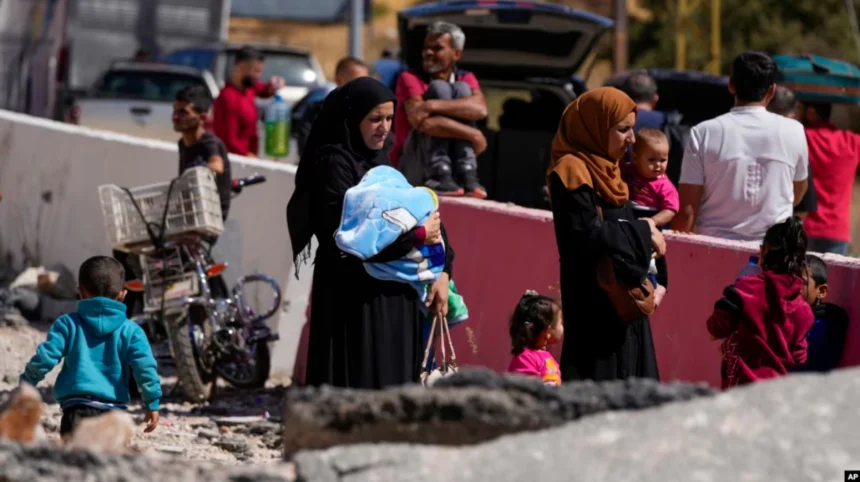
Data from early 2026 indicate that more than 200,000 individuals crossed from Lebanon into Syria within a matter of weeks. This rapid movement highlights how quickly displacement patterns can reverse when host-country conditions deteriorate. Many of those returning had lived in Lebanon for years, integrating into local economies despite legal and social constraints.
The speed of this return reflects both push and pull factors. Escalating insecurity in Lebanon, combined with the perceived possibility of relative safety in certain Syrian regions, has reshaped decision-making for displaced families. Even limited improvements or localized stability in Syria can appear preferable when conditions in Lebanon deteriorate sharply.
Emergence of circular migration patterns
Beyond one-time returns, displacement now exhibits characteristics of circular migration. Individuals and families move back and forth depending on shifting security conditions, access to aid, and economic opportunities. This pattern complicates traditional humanitarian frameworks that rely on static categories such as refugee, returnee, or internally displaced person.
Circular movement also introduces unpredictability into planning processes. Aid agencies must respond to fluctuating population numbers, while governments struggle to track mobility and allocate resources effectively. The corridor between Syria and Lebanon increasingly functions as a dynamic system shaped by real-time developments.
Internal pressures in Lebanon driving outward movement
The outward flow from Lebanon is closely linked to internal displacement and systemic strain within the country. The convergence of conflict escalation and economic fragility has intensified vulnerabilities for both Lebanese citizens and refugee populations.
Overlapping displacement within Lebanon
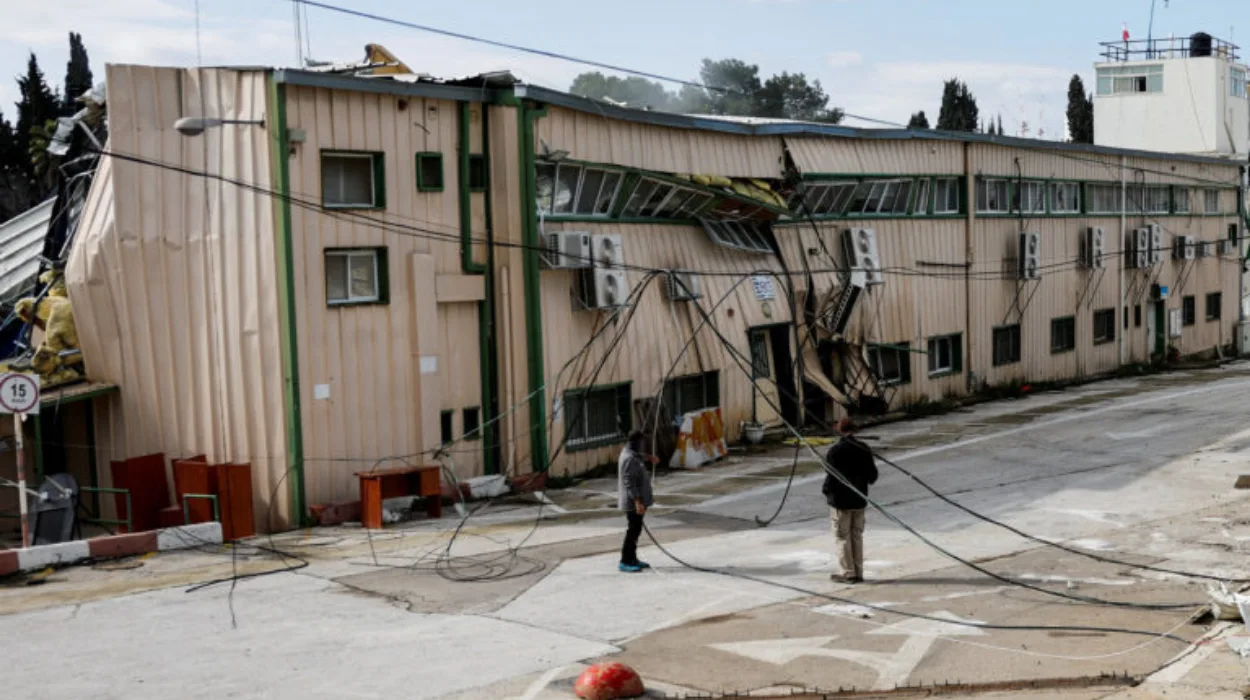
In early 2026, more than one million people were displaced within Lebanon due to intensified hostilities and evacuation orders. This internal movement created immediate pressure on shelter systems, public services, and infrastructure. Schools, public buildings, and informal settlements became overcrowded, reducing living standards and increasing exposure to health risks.
For displaced populations, the lack of stable accommodation and reliable services has been a decisive factor in choosing to leave the country. Syrian-origin residents, already facing legal and economic marginalization, were particularly affected. Their limited access to formal employment and social protection made them more susceptible to displacement shocks.
Collapse of local coping mechanisms
Lebanon’s prolonged economic crisis has eroded the coping mechanisms that previously allowed communities to absorb displaced populations. Inflation, currency devaluation, and declining public services have reduced the capacity of host communities to provide support.
By 2025, many families relied on informal work and remittances to sustain livelihoods. As conflict disrupted transportation and markets, these income sources diminished rapidly. The resulting economic pressure compounded security concerns, accelerating decisions to leave Lebanon despite uncertainties across the border.
Return to a still fragile Syrian environment
The return of displaced individuals to Syria introduces new challenges, as the country continues to grapple with the legacy of prolonged conflict and fragmented governance.
Limited absorption capacity
Syria’s infrastructure remains under strain, with housing shortages, damaged utilities, and weakened public institutions limiting its ability to absorb large numbers of returnees. Many arrivals find themselves in areas lacking basic services such as electricity, clean water, and healthcare.
Humanitarian organizations operating in Syria have reported that the sudden influx of returnees in 2026 has stretched existing aid systems. Resources originally allocated for internally displaced populations must now be redistributed, creating competition for limited assistance.
Psychological and social reintegration challenges
Returnees often arrive after years of displacement, carrying psychological trauma and facing uncertain prospects for reintegration. Communities within Syria, themselves affected by years of conflict, may struggle to accommodate newcomers, particularly in areas with limited economic opportunities.
The absence of stable employment and social services complicates reintegration efforts. For many returnees, the transition does not represent a return to normalcy but rather a shift from one form of vulnerability to another.
Humanitarian systems under dual pressure
The bidirectional nature of displacement has placed humanitarian systems in both Syria and Lebanon under unprecedented strain. Aid organizations must operate across a corridor characterized by volatility and resource constraints.
Strain on food and aid distribution networks
In Lebanon, the scale of displacement has outpaced the capacity of food distribution programs and shelter services. Overcrowding and supply shortages have created gaps in assistance, particularly for vulnerable groups such as children and the elderly.
In Syria, the influx of returnees has increased demand for already limited resources. Aid convoys face logistical challenges, including damaged infrastructure and fluctuating security conditions. These disruptions affect the reliability of food supply chains, raising concerns about localized shortages.
Coordination challenges across borders
The cross-border nature of the crisis complicates coordination between humanitarian actors. Different regulatory environments, security conditions, and funding mechanisms create barriers to seamless operations. Agencies must navigate these complexities while responding to rapidly changing needs.
The lack of synchronized planning between Syria and Lebanon further limits the effectiveness of interventions. Without integrated strategies, responses risk being fragmented and reactive rather than comprehensive.
Policy dilemmas and protection concerns
The evolving displacement landscape raises significant policy challenges related to legal status, protection, and long-term solutions. Governments and international actors face difficult decisions in balancing security, humanitarian, and political considerations.
Legal uncertainty for displaced populations
In Lebanon, many displaced individuals lack formal legal status, restricting their access to employment, healthcare, and mobility. This legal uncertainty increases vulnerability and limits options during crises.
Upon returning to Syria, individuals may encounter additional legal challenges, including issues related to property rights, documentation, and access to public services. These barriers complicate efforts to achieve sustainable reintegration.
Regional and international policy gaps
The two-way displacement system exposes gaps in regional and international policy frameworks. Traditional approaches focused on refugee hosting and resettlement do not fully address the complexities of circular and bidirectional movement.
Efforts to manage displacement require coordination across borders and sectors, including security, development, and humanitarian assistance. However, political divisions and resource constraints often hinder such cooperation.
Strategic implications for regional stability
The transformation of displacement patterns between Syria and Lebanon carries broader implications for regional stability and governance. The emergence of a fluid displacement corridor reflects deeper structural challenges that extend beyond immediate humanitarian concerns.
The persistence of bidirectional movement suggests that displacement is becoming embedded in the regional system rather than remaining a temporary response to crisis. This normalization can weaken state institutions, strain social cohesion, and create long-term economic pressures.
At the same time, the interaction between conflict dynamics and population movement highlights the interconnected nature of regional crises. Developments in one country quickly influence conditions in the other, reinforcing a cycle of instability that is difficult to contain.
The evolving situation raises a critical question about whether current policy approaches can adapt to a reality where displacement is no longer linear but cyclical and interconnected. As Syria and Lebanon continue to influence each other’s trajectories, the challenge lies in moving beyond reactive responses toward strategies that address the underlying drivers of instability shaping this two-way