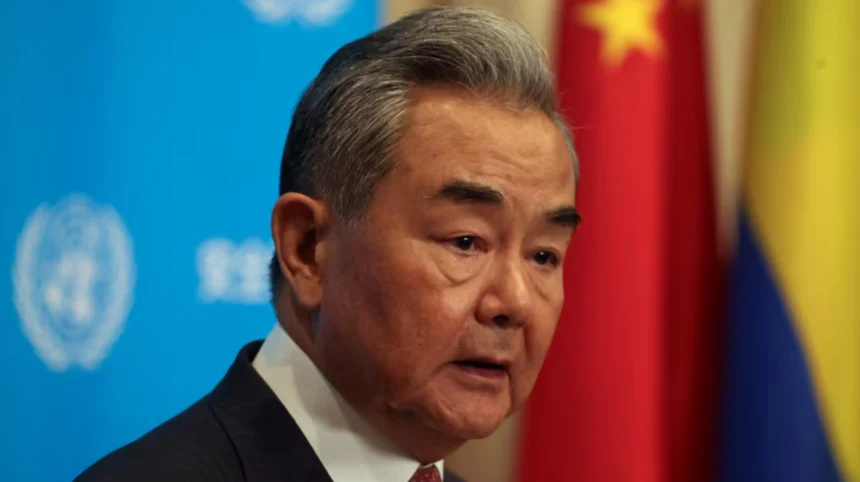
The Chinese have called for the U.N. to give more weight to the voices of countries in the Global South, contending that developing nations suffer from under-representation as the role played by the U.N. is increasingly being contested because of political and economic disagreements around the world. This was stated by China’s Foreign Minister, Mr. Wang Yi, on Wednesday, June 17, 2026.
This statement occurs against the backdrop of increasing diplomatic tension regarding the organization’s structure, funding, and decision-making capabilities. The message from China reflects more than just an issue with process; it is part of a larger plan to increase the power of developing countries.
The Core Claim: Underrepresentation at the UN
China’s central argument is that emerging markets and developing countries remain underrepresented in key UN bodies. According to Beijing, the current architecture fails to reflect the economic weight and geopolitical rise of the Global South.
Foreign Minister Wang Yi stated:
“Emerging markets suffer from inadequate representation at the United Nations, its authority increasingly challenged by escalating political and economic disputes worldwide.”
This statement highlights two concerns: the structural imbalance in representation and the erosion of the UN’s credibility amid global crises. China insists that reforming the UN to better incorporate Global South perspectives is critical to restoring confidence in multilateralism.
China’s Position on Global Governance Reform
China has been calling for reforms within global governance systems for a while now. Over the last few months, the Chinese government has released some papers detailing their positions on reforming these systems. The documents discuss UN reform, increased representation of developing countries, and governance not controlled by the old order. According to the Chinese position, globalization must involve all countries, whether big or small. The growing influence of emerging economies in the world economy should reflect in the governance process, including votes and appointments within various institutions.
Beijing’s messaging repeatedly stresses that all countries, big or small, are equal members of the international community, and that Global South perspectives must shape global policy choices. This language is used to reinforce solidarity with developing nations while advancing Beijing’s own influence in multilateral institutions.
The Global South Narrative in China’s Diplomacy
The use of the phrase “Global South” by China is deliberate. The Global South includes countries that share common interests, including economic development, climate financing, technology transfers, and even security issues. The promotion of the bloc is intended to give China a leadership role within the Global South community. Such an action is in line with China’s diplomatic strategy in which it aims to isolate Western countries, increase influence in international institutions, and create new global governance norms. According to experts, one reason for reaching out to developing countries is increased representation within the UN General Assembly.
As one observer noted:
“China is eyeing greater support from the developing world amid isolation from the West.”
This Global South rhetoric is also employed in the criticism of the current structures of governance, which Beijing perceives to be obsolete and partial. Chinese policy papers urge for the reform of international institutions such as the UN, the World Bank, and the IMF.
The UN’s Authority Under Pressure
China’s call for more Global South voices comes at a time when the UN’s authority is being tested by multiple crises. The organization faces escalating disputes over the Middle East, Ukraine, and other flashpoints, raising questions about its ability to maintain peace and security.
Foreign Minister Wang Yi highlighted these challenges:
“The UN’s authority is increasingly challenged by escalating political and economic disputes worldwide.”
This statement highlights the fear of Beijing that the UN has become incapable of addressing global issues due to its failure. According to the Chinese government, there is no way for the UN to deal with crucial issues unless it enhances its representation in terms of increased involvement of developing countries. It must be noted that the UN General Assembly, which serves as the major policymaking institution, was formed when the UN Charter was signed in San Francisco in 1945.
China’s White Paper and Reform Proposals
Beijing has circulated a white paper outlining its vision for fairer global governance. The document calls for reforms to make the international system more inclusive, with specific emphasis on UN reform and stronger Global South representation.
The white paper emphasizes:
- Inclusive globalization that benefits all nations
- Strengthened multilateralism with greater Global South participation
- Reforms to UN governance structures, including voting mechanisms and appointments
- Sustainable security architectures in key regions, including ceasefires and regional cooperation
China’s reform proposals are not limited to the UN. They also target economic governance institutions, climate finance mechanisms, and technology transfer frameworks. Beijing argues that developing nations must have a seat at the table when global rules are made.
Implications for UN Reform Debates
China’s push for more Global South voices feeds into long-standing debates about UN reform. Key issues include:
- Security Council representation: Many developing nations call for expanded membership to reflect today’s geopolitical balance.
- Voting weights: Countries like China argue that economic weight should be reflected in governance structures.
- Regional blocs: There is growing demand for stronger representation from African, Asian, and Latin American blocs.
- Funding governance: Developing nations seek fairer burden-sharing and more transparent resource allocation.
China’s stance aligns with these demands, but it also serves Beijing’s strategic interests. By championing Global South representation, China strengthens its diplomatic leverage and positions itself as a counterweight to Western powers.
Regional Security and Global Order
China’s messaging also includes calls for sustainable regional security arrangements. Beijing emphasizes ceasefires and cooperation in key regions, including the Middle East. This is part of a broader narrative that fairer global governance must include peace and stability.
Foreign Minister Wang Yi stated:
“We must work for ceasefires and sustainable regional security arrangements.”
This statement underscores the Chinese perspective on how global governance and regional security are related. Beijing claims that for the UN to effectively perform its functions, there must be peace in the regions where they operate. China’s approach to regional security also relates to their multilateralism policies. In September 2025, during the Vision China Forum organized in the headquarters of the UN in New York, multilateralism was discussed among other themes.
What This Means for Developing Nations
To the nations of the Global South, the invitation from China presents both potential advantages and disadvantages. While it could serve as a diplomatic boost for their efforts at increased representation, it poses challenges regarding conformity with Chinese strategic objectives. The developing countries could interpret the move by China as an opportunity to increase their influence in the UN through their voices. At the same time, there is a challenge in the form of appearing to be pawns in China’s global game.
As one analyst noted:
“China’s courting of developing nations is part of its goal of seeking a bigger global role amid isolation from the West.”
The Stakes for Multilateralism
The request made by China to give more space to Global South countries within the UN can be seen as a litmus test for multilateralism. It goes against the established framework and requires change towards an inclusive multilateral system. A successful implementation would mean that the nature of global decision-making as well as the sources of global power will have to change. On the other hand, there are many factors that make it difficult to foresee any positive outcome. Powerful states might oppose any changes that would undermine their position.