Iran has decided to close the door to inspection of its damaged nuclear facilities by UN inspectors, a move which will significantly escalate the ongoing tense situation regarding its nuclear programs. This is evident in the stance taken by Iranian authorities to deny International Atomic Energy Agency access to its sites which have been damaged in last year’s bombing. This action goes beyond the technical aspect; it is more political and strategic, considering that the issue of nuclear has become relevant again globally.
The most recent statements were made on June 23, 2026, amid continued Iranian insistence that the bombed plants are an issue of national security and thus no inspections by foreign agents are necessary under the current conditions. The conflict is one that involves both war destruction and issues of nuclear inspection as well as ongoing tension between Iran and the outside world regarding transparency.
Why the Inspection Fight Matters
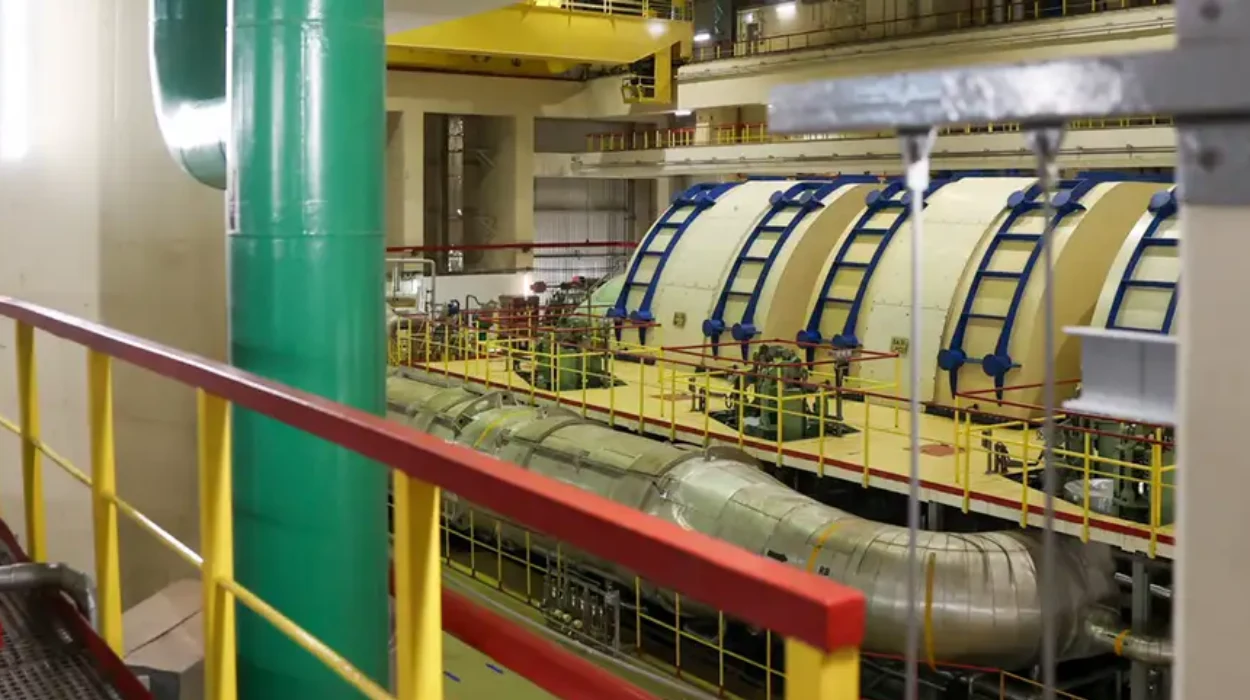
Denial of inspection is important since the inspections by the IAEA play a crucial role in determining what is going on inside Iran’s nuclear facilities. Absence of inspection means that the IAEA does not have an opportunity to evaluate the damage done to the facilities, check whether nuclear materials are still secured and to determine the condition of the equipment used for enrichment process. That makes this problem much bigger than merely a diplomatic one.
A confidential UN nuclear watchdog report previously said inspectors had been unable to access Iranian nuclear sites affected by the war last June. That detail matters because it suggests the standoff is not a new dispute but a continuing breakdown in oversight. In practical terms, the absence of access leaves major gaps in international knowledge about Iran’s nuclear assets, especially after military strikes that may have altered the physical condition of sensitive sites.
Tehran’s Stance Is Firm
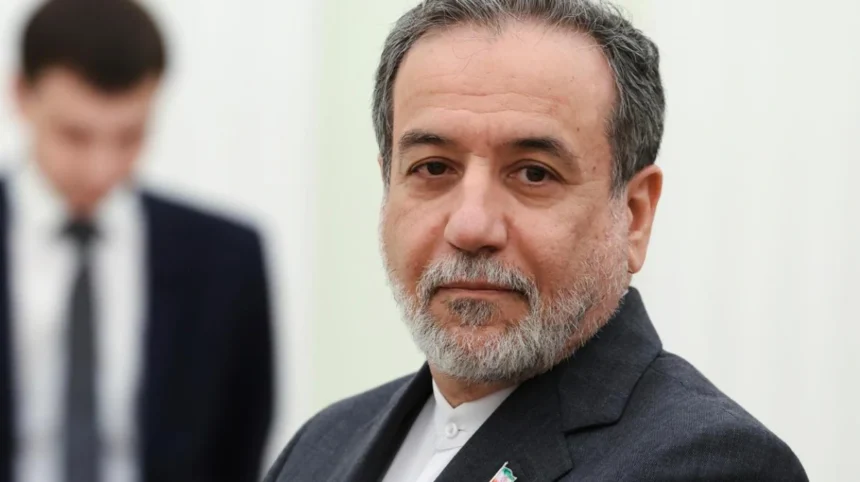
The public stance of Iran has been defiant without doubt. The foreign ministry spokesman Esmaeil Baqaei has said that Iran does not want the agency to inspect the bombed sites, clearly indicating that Tehran considers it unacceptable to have inspections of these sites in current circumstances. This statement indicates the Iranian perception that Iran has been asked to be transparent about the aftermath of the attacks rather than being treated fairly.
“Iran does not intend for the agency to examine the facilities hit by military action,”
Esmaeil Baqaei said.
That statement captures the core of Tehran’s position. The government is not simply delaying inspections; it is rejecting the premise that UN inspectors should be allowed in at all. Officials have framed the issue as one of sovereignty and security, implying that inspection after bombardment would amount to legitimizing the consequences of an attack on Iran’s nuclear infrastructure.
Earlier Signals of Resistance
This tough stance did not come about in isolation either. Previous reporting had shown that Iran was beginning to shift towards a stance of disengagement with the inspectors following the damage from the conflict. The UN report from June 2025 indicated that the Iranian parliament had passed legislation for disengagement from the IAEA following the attacks, showing a formal reaction to the conflict. While this bill had yet to receive executive approval, its passing demonstrated the way things were heading in Tehran.
By later 2025, further reporting said Iran still had not allowed access to its main enrichment sites. The IAEA chief said inspectors had not yet been permitted into those facilities, reflecting the persistence of the problem well beyond the immediate aftermath of the strikes. That continuity is important because it shows the current refusal is part of a wider pattern of limiting oversight rather than a one-off decision tied to a single event.
Damage, Security, and Narrative Control
The consistent mention of damage to Iran’s nuclear installations by Iran itself is no coincidence. The government admits that there was considerable damage caused to the installations, which makes the problem politically complex. For one thing, such an admission means that the strikes did cause serious damage. For another thing, the refusal to conduct inspections does not allow verifying the extent of damage done and its nuclear ramifications.
This is where narrative control becomes important. If inspectors cannot enter, then Iran remains the primary source of information about what was destroyed, what remains operational, and whether materials are still accounted for. For Tehran, that may be politically useful. For the IAEA and Western governments, it is a major obstacle because it deprives them of the independent evidence needed to assess risk.
“Iran’s facilities had been ‘badly damaged’ in American strikes,”
according to Iranian Foreign Ministry comments reported in 2025.
That earlier admission makes the current refusal more consequential. If the facilities were badly damaged, then the world’s concern is not theoretical. It is about whether nuclear material, equipment, and infrastructure can still be monitored safely and reliably after military action.
The IAEA’s Core Concern
Access back into Iran has been a high priority for the UN inspectorate. The job of this organization is not one of politics; it is verification. They want to determine how much damage has been done to their nuclear facilities due to the bombing and see the condition of their stores of highly enriched uranium. This would be reason enough for the need of access, but that isn’t all.
A UN report in June 2025 specifically said inspectors were needed to evaluate damage caused by the recent bombing and to verify stockpiles of highly enriched uranium. That is a critical detail because highly enriched uranium is at the center of proliferation concerns. Any uncertainty about where it is, how much exists, or whether it remains secured raises alarms far beyond Iran’s borders.
Western Pressure Is Rising
The inspection standoff is unfolding as Western powers continue to apply pressure on Tehran. Earlier reporting said European governments were preparing to reimpose sanctions, and that the IAEA chief’s remarks came in that wider climate of strain. This matters because it turns the inspection issue into part of a broader diplomatic confrontation, not a single technical disagreement.
In case Iran continues to reject the presence of inspectors, it is very probable that the reaction in Western countries will be that Iran is concealing some information and thus not complying with the conditions set out for it. This would lead to increasing sanctions pressure and decrease the likelihood of reaching an agreement through negotiation. On the other hand, Iran can assume that by rejecting inspections, it increases its negotiating power.
“Complete the enemy’s operation,”
Iranian officials have suggested in earlier comments when rejecting post-strike inspection demands.
That phrase reveals how Iran frames the dispute: not as a technical nuclear issue, but as part of a broader conflict with adversaries it views as hostile. The language matters because it shows that the inspection fight is deeply embedded in Iran’s security worldview.
What This Means For Stability
The immediate impact of refusing inspections is one of ambiguity. The ultimate impact of this refusal will be instability. Should the IAEA be unable to conduct inspections of the bombed sites, it will be impossible to determine whether the nuclear material remains safe or whether there have been any changes in Iran’s program that would be relevant from the perspective of international security. This ambiguity alone is capable of creating an environment of mistrust which might escalate into diplomacy and military action. There is also the question of norms and institutions. The IAEA works with the consent of states to implement its safeguards mandate. In refusing inspections indefinitely following the bombing of its facilities, Iran is undermining the norm that these facilities remain subject to international inspection even when there is a conflict going on.
The Wider Strategic Picture
The current standoff also reflects the larger evolution of Iran’s nuclear diplomacy over recent years. Reuters-linked reporting and UN materials show a steady narrowing of cooperation, especially after military pressure intensified. Over time, the issue has moved from questions about compliance to questions about access, then from access to outright refusal.
That escalation is politically important because it changes the baseline for future talks. If inspectors are excluded from damaged sites now, any later return to cooperation may require a new framework, new guarantees, or new bargaining over sanctions and security. In other words, the current refusal may not just be a temporary obstacle. It may set the terms for the next phase of the nuclear dispute.
The most immediate concern, however, remains the absence of independent verification. Without it, claims from Tehran, Washington, Jerusalem, or even the UN remain difficult to test fully. In a crisis environment, that gap is dangerous because it leaves room for worst-case assumptions on all sides.
Bottom Line On The Dispute
Denial by Iran of allowing UN to conduct inspection in damaged nuclear facilities is a political act that conveys defiance and protects information in the hands of the state while escalating the tension with IAEA. It is not merely an attempt to deny the UN access to the damaged facility. It is a challenge to the whole process of international inspection and sanctions.
The central facts are now clear: Tehran says no to inspection of the bombed sites, UN watchdog officials say they still cannot verify what happened there, and Western powers are likely to treat the decision as evidence that Iran is tightening secrecy rather than rebuilding trust. The result is a more volatile nuclear standoff with few signs of quick resolution.