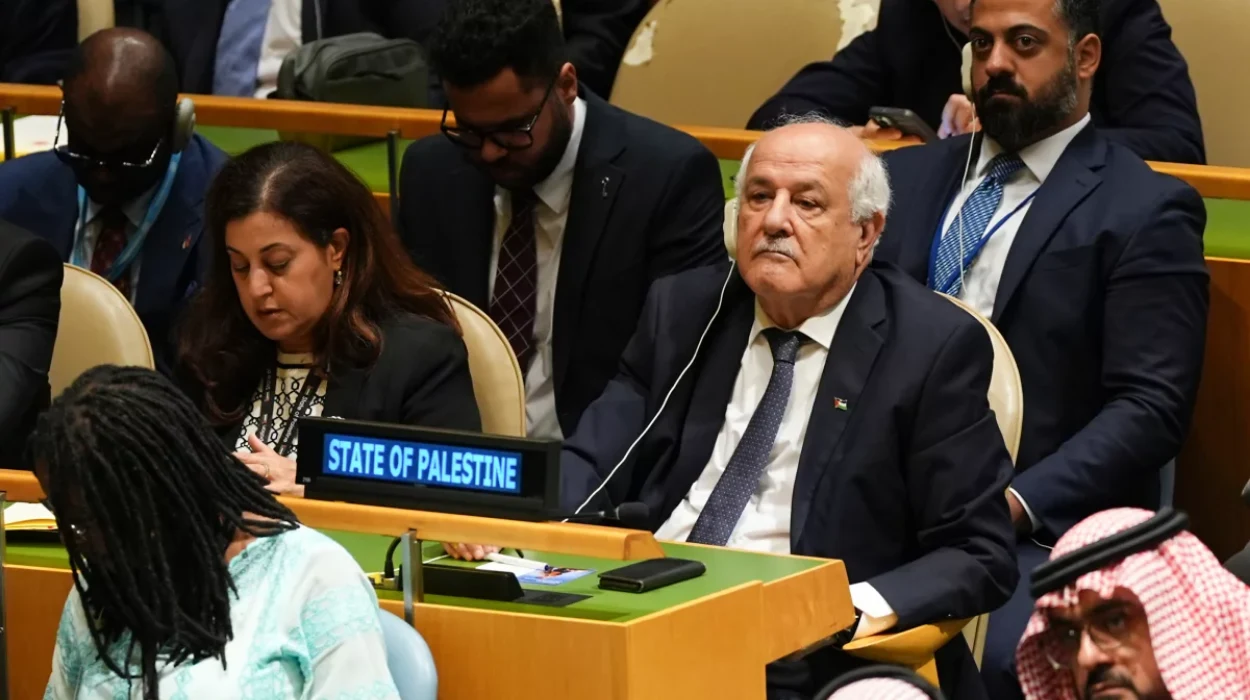
The United Nations review conference on the Nuclear Nonproliferation Treaty concluded on May 22, 2026, without reaching any agreements after four weeks of discussions in New York. The obvious inability of the 191 states party to this treaty to reach compromises regarding their positions concerning nuclear affairs is once again highlighted by the situation. The main obstacle to reaching an agreement in the negotiations had been the dispute between the U.S. and Iran.
This collapse is significant since the current conference is no ordinary diplomatic conference but is an important institution used by the international community for enforcing the principles of non-proliferation and compelling the countries armed with nuclear weapons to disarm, as well as putting pressure on those violating these non-proliferation principles. Thus, its collapse makes it weaker politically while leaving it legally intact.
What exactly happened at the UN meeting?
The conference referred to in the article is the Nuclear Nonproliferation Treaty Review Conference, which is a conference attended by those countries that have signed the treaty. At this conference, the states come together to evaluate the implementation of the treaty and agree upon the language to be used during the following stage.
Do Hung Viet, Vietnam’s ambassador to the United Nations and the chair of the conference, stated the failure in procedural language, indicating that the parties failed to reach a conclusion regarding the final document. This statement became essential since the chair of the conference usually is expected to be able to manage disputes between parties, propose compromise solutions, and facilitate discussions until reaching a consensus on the document.
The most evident reason for failure became the dispute between the United States and Iran, which is known for its opposition to each other. The controversy concerned the program of Iran’s nuclear industry and prevented reaching a final point even in view of changes in the document.
Why is the NPT so important?
The Nuclear Non-Proliferation Treaty continues to be the key international instrument regulating non-proliferation of nuclear weapons. In common parlance, the NPT is considered the bedrock of the non-proliferation regime because it is based on three pillars: non-proliferation of nuclear weapons; peaceful uses of nuclear energy; and disarmament.
However, it is not just because of the actual content of the treaty, but also due to the fact that the vast majority of countries belong to it. The inclusion of 191 countries under the NPT ensures that review conferences can be globally political events that aim to increase confidence, set up new expectations, and maintain the same level of involvement of both nuclear and non-nuclear countries within the negotiation processes.
It becomes obvious that a failed review conference does not mean merely a failure within the procedure itself but also represents problems that exist within the issue area and show that the geopolitical confrontation is testing the treaty regime, instead of reinforcing it.
What caused the deadlock?
The key issue revolved around the conflict that existed between the United States and Iran, concerning Iran’s nuclear program. According to the reports generated from the conference, it seems that the bigger issue involved is the extent to which the final document mentions Iran and the level of reaction from the conference on this issue.
However, according to the chairperson, the country or the countries whose opposition caused the failure in reaching an agreement were not specified, because it is usually standard practice within UN diplomacy to maintain flexibility for further negotiations. However, it is clear from the report that it was due to the dispute between the USA and Iran.
The fact that the chairperson announced a lack of consensus regarding the already modified draft indicates that the negotiating parties went beyond the ambitious terms. However, even after that, they failed to reach an agreement, which means that the problem is likely to be of political nature.
What did the chair say?
Do Hung Viet’s role as conference chair was to shepherd negotiations toward consensus and speak for the process when it failed. His statement that there was “no consensus” captured the formal result of the talks and avoided assigning blame in public. That phrasing is significant because it reflects the diplomatic norm of neutrality even when the outcome is clearly negative.
The chair’s announcement also showed how limited the room for compromise had become. If consensus cannot be reached after four weeks of negotiation, the issue is not simply a drafting problem. It becomes evidence of a much broader political split among the parties.
Why does this matter for global security?
A bad outcome in an NPT review conference does not automatically imply the failure of the treaty, but it definitely undermines the political power that keeps it alive. The NPT relies greatly on its credibility, cooperation, and the idea that all states are continuing their actions within the same framework. Any collapse during a review phase contradicts such goals.
It can be even more problematic during times when the level of tension in the nuclear realm is high. Different disputes regarding Iran, Russia, America, China, and other key players define perceptions of the nuclear regime. When the big states fail to establish any common terminology in a treaty conference, it may be interpreted as a sign of weakening ability to manage risks.
The practical consequence is a loss of momentum. Without a joint final document, there is no agreed roadmap, no shared language of commitment, and no unified political message. That makes it harder to sustain pressure on proliferation risks and harder to advance disarmament expectations.
Is this failure unusual?
This has become all too common. It is the third such review conference in a row without any agreements made, indicating more of a trend than a single blip in the system. This trend may indicate a deeper flaw in the treaty process, whereby achieving consensus has become increasingly hard in today’s climate of heightened competition among countries on the international stage.
The 2022 review conference, for example, similarly failed to produce any outcome documents since Russia took offense to certain language regarding nuclear power plants in Ukraine. This was a clear indication of how international geopolitics may interfere with the process of multilateral arms control. The 2026 debacle just continues the trend.
When review conferences repeatedly fail, the concern is not only that the parties could not agree on one text. It is that the treaty’s review mechanism, designed to strengthen accountability and shared responsibility, begins to look toothless. That weakens confidence in the process even among states that still support nonproliferation goals.
What does this mean for Iran and the U.S.?
The U.S.-Iran dispute at the conference reflects a much wider struggle over nuclear credibility and regional security. For Washington, Iran’s nuclear program remains a major policy concern, linked to fears about breakout capability, regional escalation, and the erosion of nonproliferation norms. For Tehran, international pressure is often framed as politically motivated and unfairly targeted.
At the UN conference, those opposing positions appear to have been too far apart to reconcile in the final wording. That is important because NPT review meetings are usually not meant to resolve bilateral disputes directly. Instead, they are supposed to produce a broad multilateral framework that keeps those disputes from poisoning the entire process. This time, the dispute seems to have overwhelmed the broader agenda.
The failure suggests that any future effort to rebuild trust will have to address not only the technical nuclear file but also the political climate around it. Without some easing of tensions, even future review talks may face the same deadlock.
What happens after a failed review conference?
The treaty remains in force, and the 191 member states are still bound by it. But the lack of consensus means there is no collective political statement to guide the next phase of work, and no agreed interpretation of the most contentious issues discussed at the conference. In diplomatic terms, that is a serious loss.
The next review cycle will likely begin under the shadow of this failure. That means negotiators will enter the next round with lower trust, more skepticism, and a stronger sense that the process is vulnerable to outside conflicts. Unless there is a shift in the larger geopolitical environment, consensus may remain difficult to achieve.
Even so, the treaty’s importance does not disappear. The NPT is still the main structure holding the global nonproliferation regime together, and its continued relevance depends on whether states can recommit to dialogue despite disagreement. This latest collapse makes that task harder, not impossible.