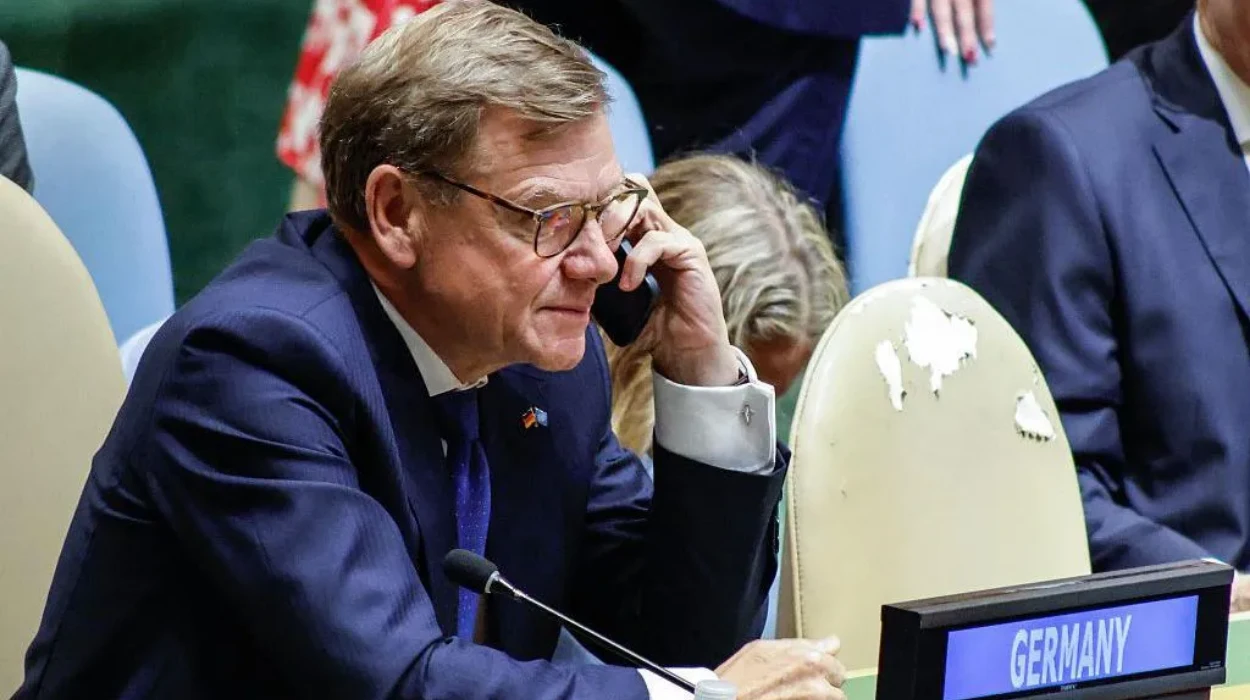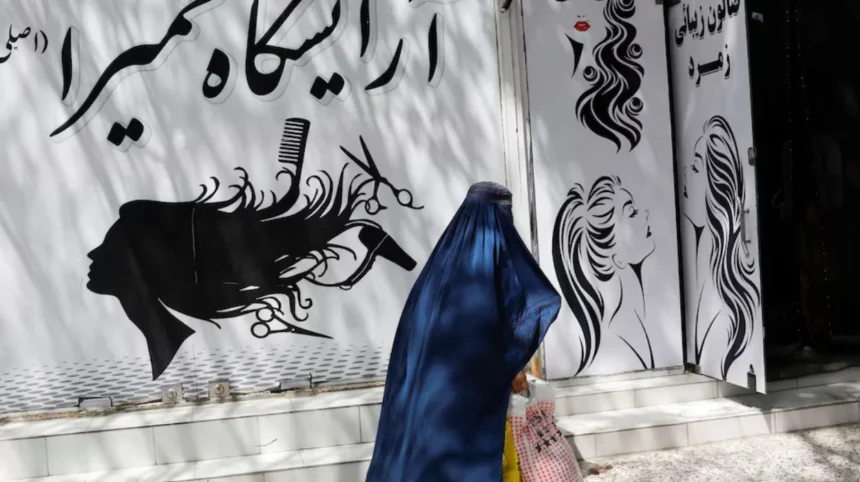
The UN’s response to the Taliban’s implementation of dress codes on Afghan women has intensified, as the arrest and detention of citizens was seen as an act that openly defies international standards of human rights. The UN’s position is based on the fundamental importance of the right against the deprivation of liberty and due process and the rights of women to freedom of movement and participation in public activities. This reaction can be seen as one of many in a sequence of international pressure that has been mounting since the Taliban’s takeover in 2021, with the most recent statement continuing this trend.
Context and scope of concerns
The Taliban’s perception and implementation of modest attire among women and girls since 2021 have continued to receive criticism from the international community through human rights mechanisms, which have cautioned against disproportionate implementation and the resulting impact on women’s participation in education, employment, and public spaces.
In June 2026, UNAMA called for attention to the arrests and detentions of individuals in western Afghanistan for violation of dress codes, calling on Taliban authorities to implement an even-handed approach to enforcement and ensure the release of individuals who deserve freedom.
Enforcement should remain proportional, nondiscriminatory, and consistent with Afghanistan’s human rights obligations, according to the United Nations. This statement can be considered part of the ongoing international critique that has emerged in various provinces and enforcement cycles since Taliban rule began in Afghanistan.
The UN argument is built upon three main principles: human dignity, rule of law, and equality. To start with, the UN highlights that women and girls must not have restrictions in their movement and ability to express themselves through wearing certain clothes as this will not result in their detention or abuse of power by the authorities. In addition, it calls attention to due process, noting that any such measures must be carried out in an open, responsible, and transparent way. Finally, it relies on Afghanistan’s commitment to international obligations, namely the Convention on the Elimination of All Forms of Discrimination against Women (CEDAW).
Statements and actors
The UN statements are made by several organs, resulting in a sort of coalition that reinforces each other. The statement made by UNAMA in June 2026 pointed out issues regarding arrests and detentions relating to dress codes and advocated for appropriate measures to be followed while respecting due process. On the other hand, the UN officials, often through the OHCHR, made statements diagnosing the problem of arbitrary detention and ill-treatment of women and girls due to the implementation of dress codes and advocating for their release while respecting human rights laws. The common thing among all these statements was an emphasis on protecting the rights of women as universal human rights, and that punishment for dress code laws might normalize gender violence by states.
As per reports, the approach adopted by the UN has been that of a blend between public censure and continued monitoring. Through its documentation, statements, and appeals for necessary corrections in the case of any abuse, the UN is trying to discourage such violations through continued vigilance while at the same time maintaining room for humanitarian work that requires a degree of international respectability and recognition in Afghanistan.
Reported incidents and numbers
The media coverage that refers to June 2026 includes particular cases and some general trends. For example, in Herat Province, there were numerous reports about several women being arrested for violating the dress code laws, though the exact number varies based on the sources and times at which the incidents occurred. The UNAMA also showed concern about these arrests but did not verify all the cases because it could not do it instantly. The patterns from previous years included women being detained, suffering ill-treatment, or facing coercion, which were then followed by calls for their release. The variation in the number of cases indicates a general problem with accounting in such an environment.
Impact on Afghan society and policy
The issue of the enforcement of dress code regulations has ties to larger issues involving women’s rights, social expectations, and the power of the state. It is argued that not only are the dress codes themselves an imposition on personal style choices, but that they also serve as an avenue for the restriction of women’s rights more generally, including their educational and employment possibilities.
This would result in limitations placed upon the overall development of Afghan society and economy. On the other hand, those who support the dress codes have stated that this policy stems from cultural and religious considerations and notions of public morality. As far as the UN’s stance goes, they will not allow for any enforcement measures that limit women’s freedom or detain them without reason, which could have negative ramifications for humanitarian aid efforts.
Geopolitical and humanitarian consequences
Enforcement by the UN of the rules on how people should dress is more than just that, because it has humanitarian repercussions too. In situations where women are held because of dress-code offenses, families could be destabilized while education and healthcare services might be hampered when caregivers are restricted. In addition, repeated reports of such actions would jeopardize humanitarian efforts and compromise the trust of locals in government bodies. From a diplomatic angle, it would mean problems for donor relationships and diplomatic missions. This is because donor nations always tie the provision of aid to respect for human rights and gender equality.
Critique and nuance
Analysts differ on how to interpret and respond to the UN’s position. Some argue that international pressure should be calibrated to avoid inflaming domestic sensitivities or pushing Afghan policy further underground, where abuses might become less visible but more entrenched. Others insist that human rights norms are universal and must be defended even if they provoke domestic pushback. The UN’s approach—publicly naming concerns, urging detainees’ release, and calling for proportional enforcement—reflects a strategy aimed at protecting vulnerable populations while maintaining a channel for dialogue with Taliban authorities. The challenge lies in translating high-sounding principles into enforceable remedies on the ground, especially in a setting where governance is contested and security conditions are volatile.
Legal and policy implications
On a legal front, however, there is an element of consistency with international human rights norms that prohibit discrimination and mandate due process, which is binding upon a significant number of states – including Afghanistan – through various international agreements and institutions. Issues related to governance of dress codes raise the larger question of reconciling local traditions with universal rights standards, and the role of external forces in norm creation and implementation within a sovereignty-preserving framework.
With regard to policy, it appears that the UN and allied organizations will continue to watch, collect data, and campaign for change while ensuring the safeguarding of women and girls who may be vulnerable under enforcement measures. For the Afghan government, it would remain a difficult task to project sensitivity to international standards without compromising its policy logic regarding dress codes.