The work of UNHCR in the protection of refugees has increased tremendously in 2025 following the persistent displacements caused by conflicts, environmental catastrophes, and political instability. This year, the number of forcibly displaced individuals worldwide reached new records, placing an increased strain on the agency in terms of the need to modify operational strategies and cope with the lack of financial means, as well as the geopolitical challenges.
The agency has expanded its activities beyond the traditional emergency relief and now includes long-term shelter planning, economic inclusion, digital registration system, and inter-agencies partnership activities. The UNHCR is notably prevalent in conflict stricken regions like Ukraine, Sudan, South Sudan, and Afghanistan where long-term crises require humanitarian aid and long-term resilience.
Operational Successes Strengthening Refugee Protection
In 2025, UNHCR has documented a number of remarkable successes in expanding the initiatives of the program, reforming the protection processes and establishing new partnerships aimed at meeting the changing demands of people who lost their homes.
Progress In Ukraine’s Displacement Response
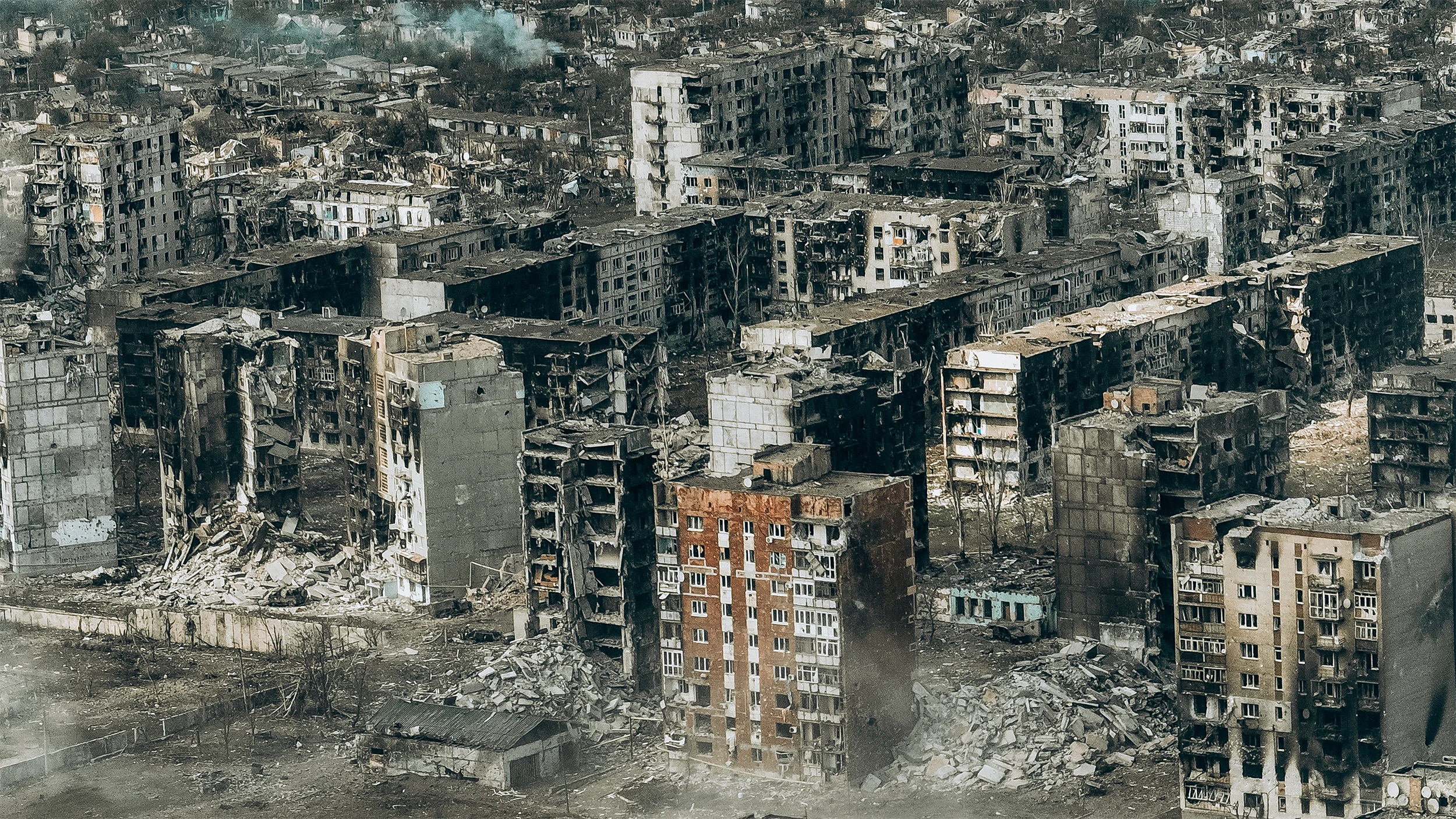
The country of Ukraine is still among the most active operational fields of UNHCR, and millions of internally displaced individuals are in need of protection. Partnerships with IOM and government have provided housing repairs, legal aid, livelihood training to thousands of households. Senior humanitarian officials in Kyiv claimed that shelter provision coupled with income generating programs has enhanced medium-term stability to families who cannot go back to destroyed houses.
Expansion Of Refugee Education Programs
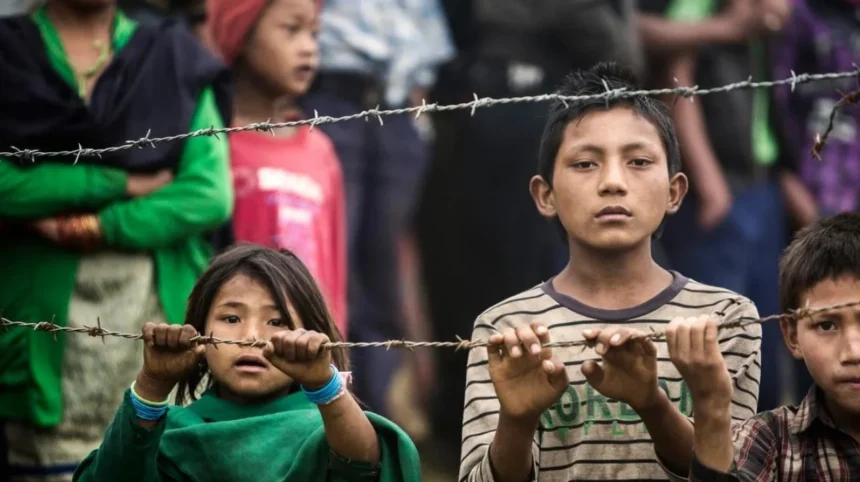
The schooling of displaced children is one of the primary issues in the whole world, but UNHCR has reached significant progress in 2025. Online learning platforms created in collaboration with education ministries of the region and the partnership of the private sector have increased access to remote and insecure settings. In East African refugee camps, technology-enabled learning has helped to fill chronic teacher gaps and poor physical infrastructure as a result of increased enrollment.
Community Integration And Local Policy Reforms
The agency has also increased community integration in host countries including Kenya, Uganda, Colombia and Jordan. These programs focus on having joint delivery of services, joint housing schemes and market based livelihoods programs between host and refugees. Several governments came up with reforms to allow the refugees to access rights to work or enjoy national social services; a move which is usually influenced by UNHCR consultations and advocacy.
Persistent Challenges Undermining Protection Goals
Nevertheless, even with quantifiable gains, UNHCR is still affected by structural, financial and geopolitical challenges, which restrict the efficiency of its protection mandate.
Funding Shortfalls And Program Reductions
This has led to the cutting of necessary services since there is a large funding gap in 2025. A year after, the announcement of global appeal figures at the beginning of 2025 showed that the high-income countries faced one of the largest shortages in the decade, caused by donor fatigue, competing crises, and domestic political pressures. The consequences of these financial shortfalls include reduction of ration, reduced shelter programs, and delays in resettlement procedure.
Geopolitical Tensions Affecting Access And Protection
Various governments have strengthened the asylum processes, citing the issue of domestic security and migration control. Limited observation of the situation of protection in such areas like the Mediterranean, the Balkans and Central Asia has been caused by restrictive border controls and there are fears of the violation of the principles of refoulement and due process. Divisions in politics in the EU and regional blocs have presented operation problems to humanitarian agencies that seek to coordinate their operations across borders.
Critiques Of Bureaucratic Constraints
The evaluation of the stakeholders in various field locations indicate internal constraints such as slow decision-making systems and random application of protection policies in offices in different countries. Humanitarian partners have urged UNHCR to simplify administrative procedures, enhance accountability measures, and enhance community feedback provisions in order to make program changes in time.
Adapting Strategies To Meet Emerging Protection Needs
The strategy that UNHCR has in 2025 can be seen as a reflection of a transition to multi-sector, development-based interventions aimed at providing both short-term safety and long-term resilience to displaced populations.
Integration Of Humanitarian And Development Frameworks
The agency still propagates a protection paradigm that connects emergency response with development projects. Cooperation with WB, UNDP and regional developmental agencies will be sought in order to integrate refugee needs into the national planning systems. Combined evaluations have been able to open up funding to infrastructure, social services and housing in the areas hosting refugees.
Leveraging Innovative Financing Mechanisms
In 2025, new financing instruments will be created such as blended financing projects and refugee-oriented investment instruments created in collaboration with global financial institutions. These instruments are meant to minimize the use of conventional grants by using the mobilization of the participation of the private sector in the creation of jobs, renewable energy programs, and housing rebuilding.
Use Of Technology For Protection And Registration
Digital identity systems have grown this year and enabled true registration, verification, and case management of various key operations. These systems enable the sharing of data with government partners in a better manner and lessen the duplication of services. Improved biometric devices and digital records that are encrypted have offered greater accountability and reduction of fraud especially under cash-assistance programs.
Balancing Humanitarian Needs With Long-Term Stability
The achievements and setbacks of UNHCR in 2025 underscore the complexities of the issue of refugee protection in an age of increasing global crises. The more the displacement, the harder the agency has to work within financial limits, political separations, and logistics and maintain the principles of protection being core in its operations. Local integration, resettlement and voluntary return programs entail long-term collaboration between the host states, international partners and community actors.
The changing environment implies that the future of refugee protection will be based on flexible funding, the existence of a stronger partnership, and the use of data and technology. The extent to which these actions can meet the immediate requirement and long-term sustainability will determine the environment of protection in the future, especially as global displacement is moving on the same upward curve, and the call for the concerted humanitarian response is becoming increasingly pressing with each new crisis.