When UNICEF issued a statement on 6 August 2026 that more than 300 children had been killed in 300 days since the signing of a ceasefire agreement in Gaza back in October last year, the figures provided a summation of scattered reports over many months into a single shocking statistic: at least one child was killed each day during a period of ceasefire intended to stop significant military activities. This statistic, which was based on information gathered from Gazan health officials and compiled by UN bodies, belongs to a larger casualty list which included 1,209 deaths and 3,943 injuries since 10 October 2025 when the ceasefire came into effect, according to the UN Office for the Coordination of Humanitarian Affairs (OCHA).
A ceasefire in name, a war in practice for children
UNICEF’s latest update builds on a series of periodic warnings that child casualties never truly stopped after the truce was declared. In November 2025, the agency reported at least 67 children killed in the first weeks of the ceasefire, describing a rate of about two children per day. By January 2026, that tally had climbed to over 100 children, with UNICEF spokesperson James Elder telling reporters in Geneva,
“That’s roughly a girl or a boy killed here every day during a ceasefire.”
Subsequent briefings in June and July cited more than 260–265 child deaths, reinforcing the “one child a day” average over eight-plus months before the August figure reached 300.
The fact that these updates have continued is an indication that there can be only one conclusion about the ceasefire, which was that it had stopped the major offensive attacks but it had failed to stop the killing of children. The child deaths during this time are attributed to the following: air strikes, drones, quadcopters, shellings, tank fire, gunshots, and unexploded weapons, among others.
As Elder put it in a June briefing,
“For many, many months, the world has been told there is a ceasefire in Gaza. Yet for Palestinian children, this so-called ceasefire has become a cruel and deadly illusion.”
The lived reality behind the statistics
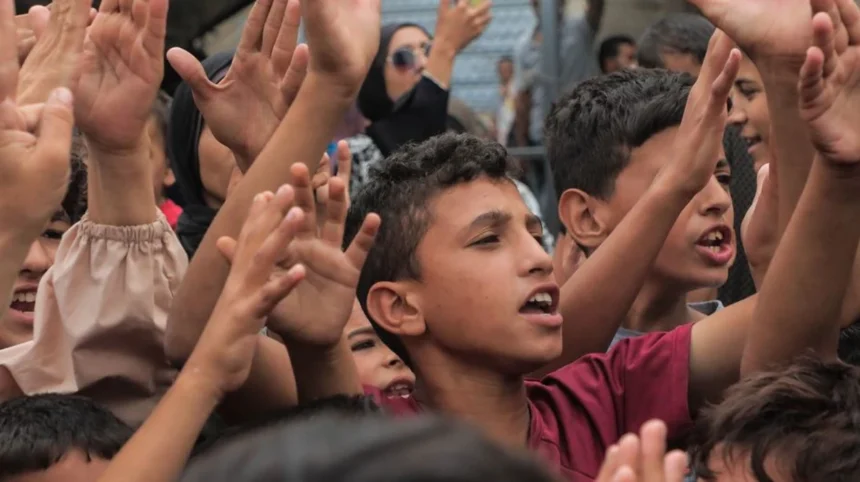
In addition to the 300 fatalities in total, the landscape involves the compression of families into an area representing only one-third of the Gaza Strip, where these families are surrounded by ruins, waste, and demolition of buildings. According to UNICEF, civilians, along with the children, are forced into a part of territory that is about one-third of the whole strip, and shelters of civilians are often situated in the vicinity of demolition and contamination zones. The concentration of people creates a situation in which even few strikes and fire exchange cause multiple deaths of children in one strike.
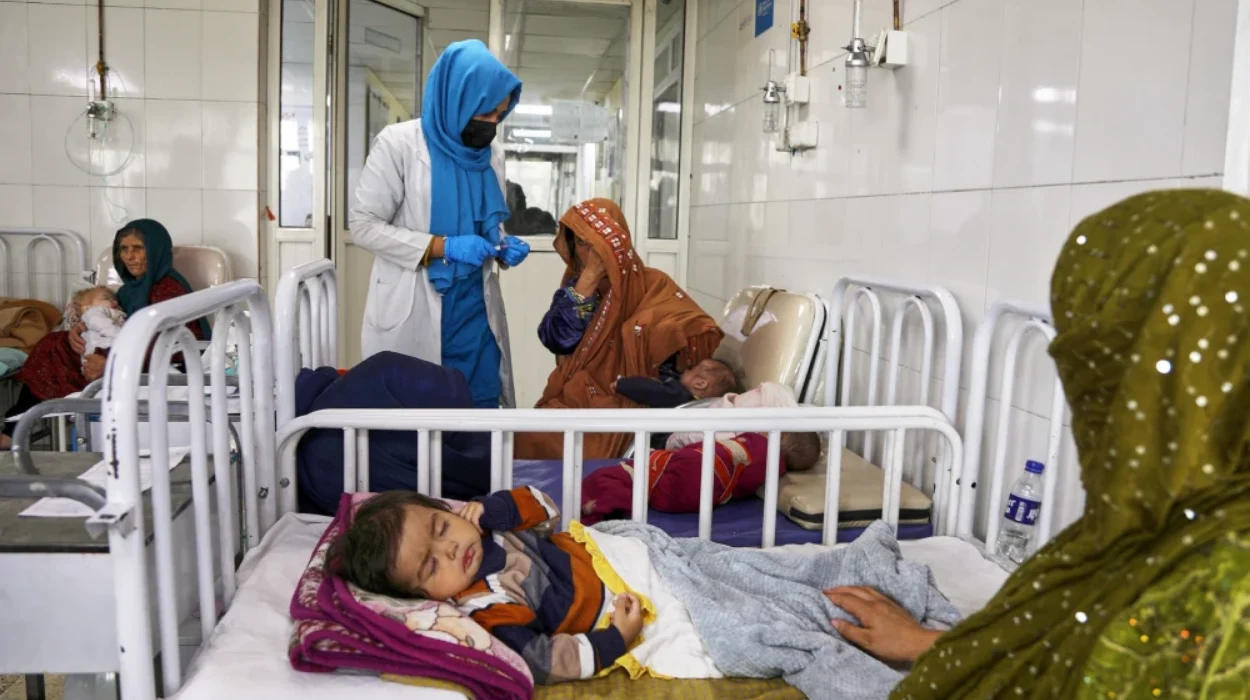
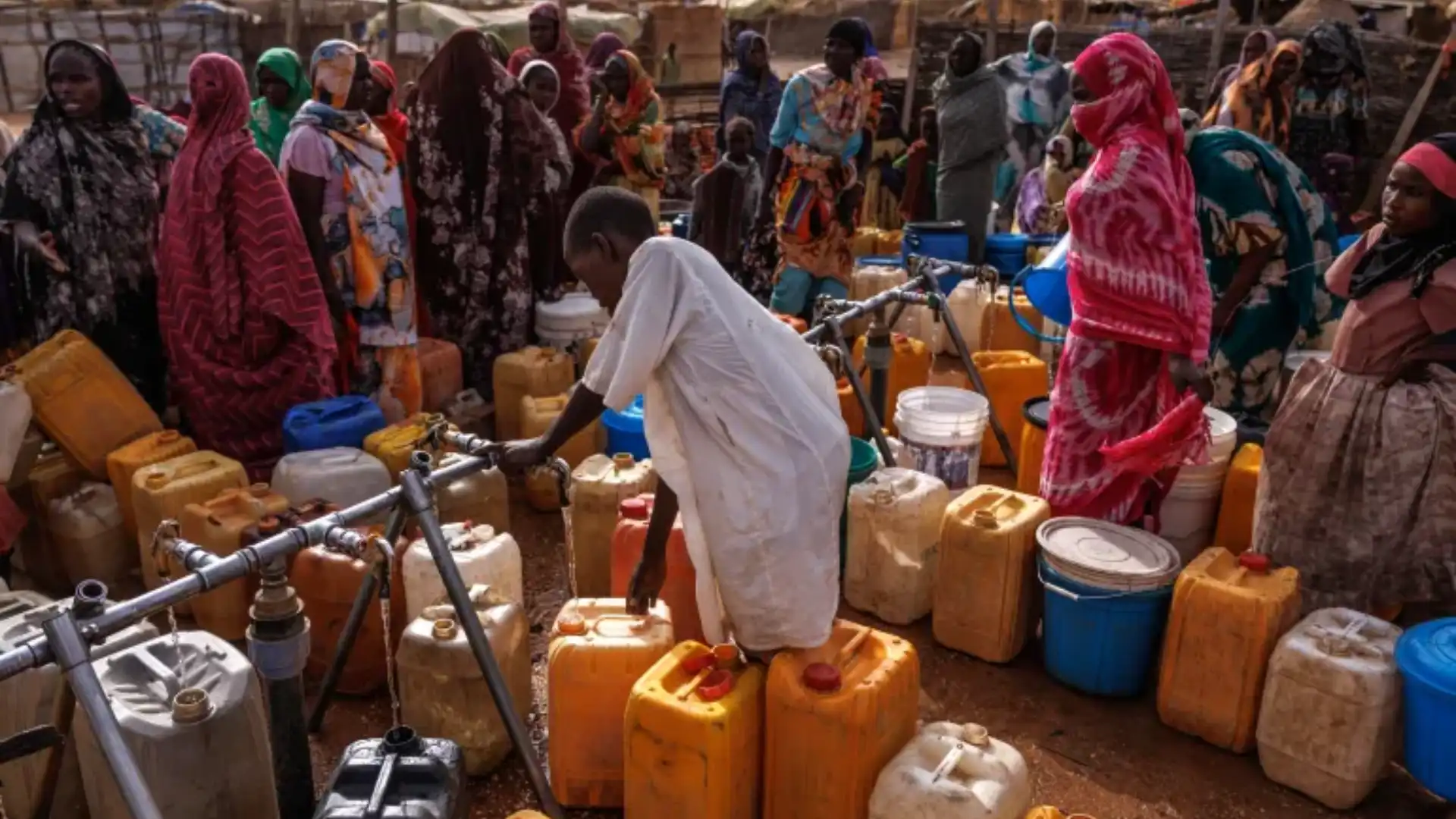
At the same time, children are threatened by survival dangers other than direct violence. UNICEF stresses that problems like acute malnutrition, infectious diseases, unavailability of clean drinking water, and breakdown of sanitary systems are still threatening children’s lives, especially in cases when there are no working health institutions. Under such conditions, deaths caused both by drones and preventable diseases are consequences of the same violation of children’s right to protection – the cease-fire that guarantees neither proper shelter nor water.
What UN officials are saying—and what they are not saying
UNICEF’s messaging has been consistent: the ceasefire is not delivering the protection it promised. Edouard Beigbeder, UNICEF’s Regional Director for the Middle East and North Africa, stated plainly,
“A ceasefire that leaves an average of one child dead each and every day is failing children… children in Gaza are still waiting for the end to the violence they were promised.”
His remarks, issued alongside the 300-child figure, framed the situation not as an unfortunate side effect of conflict but as a structural shortfall in the truce’s implementation.
James Elder, who has briefed the press repeatedly on child casualties during the ceasefire, has pushed the argument further by questioning the credibility of calling it a ceasefire at all. In June, he said,
“While the world continues to speak the language of ceasefire, families in Gaza continue to bury their sons and daughters. However, if a child is being killed every day, surely the debate is no longer about the quality of the ceasefire. It is about the credibility of calling it one.”
Such a change in the rhetorical discourse, from analyzing whether the quality of the ceasefire is good enough to questioning the use of the term “ceasefire,” indicates profound frustration by child protection agencies, which view daily deaths as not compatible with the notion of true cessation of hostilities. Although UNICEF has never linked each individual death to a particular side in its reports, it has continuously asked the sides to abide by international laws of humanitarianism and human rights, including their duties regarding protection of children and provision of humanitarian aid. It should be noted that numbers released by the organization have been based only on confirmed cases, meaning that actual figures were even higher.
How the numbers evolved: from 67 to 300 in 10 months
The trajectory of UNICEF’s casualty updates during the ceasefire offers a rough timeline of how the situation deteriorated even as large-scale ground operations were ostensibly suspended. In the first month after the 10 October 2025 announcement, UNICEF reported 67 child deaths, emphasizing a rate of two per day and noting that many incidents involved airstrikes and shelling despite the truce. By mid-January 2026, the agency documented over 100 child deaths, with Elder highlighting that many victims were killed by drone and quadcopter attacks, as well as hypothermia in some cases, underscoring the role of both direct violence and environmental exposure.
The numbers kept rising throughout spring and summer. In late June, the UNICEF report pointed out that 265 children had been killed since October, repeating the daily average and adding that the situation for children was still critical. In August, when the figure was updated to 300 children killed in 300 days, the average was set while reconciled with the numbers provided by OCHA in the same timeframe. The message underlying each new report was the same: the ceasefire limited the amount of combat but not the killing of children.
Legal and policy implications: when a truce fails the test of protection
In terms of law and policy, the ongoing killing of children during the ceasefire brings up hard-to-answer questions related to observance of international humanitarian law. As defined, a ceasefire means the cessation of hostilities, allowing humanitarian work to take place. It means not only the end of the artillery attacks but also the reduction of civilian casualties. In case UNICEF speaks about 300 children being killed within a period of 300 days, it means that there was something wrong with the efforts to save people’s lives. Such measures as defining safe zones, limiting the use of particular weapons among civilians, and ensuring humanitarian aid are considered to be inefficient enough.
This is why the demand of UNICEF concerning the respect of the international laws by all parties and their guarantee of unhindered humanitarian access is not just an appeal but a concrete request related to the inefficiency of the truce in the protection of children’s rights. The fact that UNICEF mentions the lack of information and speaks about its figures as conservative brings up another point of its policy agenda: the need to realize that the scale of the problem can be even larger.