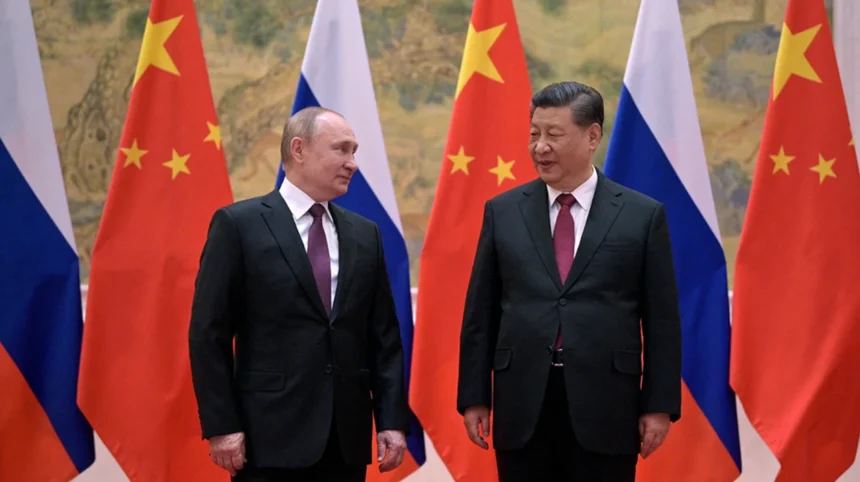
The United States, under President Donald Trump’s second term, has made headlines by aligning with Russia and China at the International Labour Organization (ILO), a key United Nations agency focused on global labor standards. This unexpected vote occurred during a November 2025 Governing Body meeting in Geneva, where the US supported a Russian amendment to water down a European-backed resolution condemning Moscow’s invasion of Ukraine and its devastating impact on Ukrainian workers.
“This marks the first time the US has sided with Russia and China in such a manner at the ILO,”
noted observers, highlighting a departure from previous US stances that strongly backed anti-Russia measures.
The decision, while failing to pass, underscores deepening transatlantic tensions and raises questions about the Trump administration’s broader strategy at UN bodies prioritizing rapid peace negotiations over multilateral condemnations.
Critical Shift in US Foreign Policy at the UN
At its essence, this alignment with the ILO reflects President Trump’s aggressiveness behind Ukraine-Russia peace talks even at the expense of reinforcing Moscow’s narrative. The US justified its position through a “pure mandate” argument calling for non-intervention by ILO from any political issues while dealing strictly with the “labor-specific” areas.
The overwhelming number of countries against limiting the resolution’s scope reflects a divided world. The Russian amendment attempted to reduce or eliminate the section addressing the invasion of Ukraine and focus solely on worker-protective provisions. It was supported by only five countries: the US, Russia, China, Sudan, and Niger.
The resolution was passed without a final record of votes since 40 countries voted against the Russian amendment. Six countries, which include India and Brazil, abstained from voting. Their votes appear to indicate an inclination not to reject outright the proposed modification of the resolution.
Vasyl Andreyev, a leading union leader from Ukraine, publicly denounced the voting results as being “disappointing” and a “complete copy-paste of the Russian narrative.”
ILO’s Mandate Under Geopolitical Strain
The International Labor Conference and the Governing Body sessions aim to create consensus on labor rights, not to be held hostage by Ukraine fighting. The resolution discussed here extends ILO oversight of Ukraine’s labor situation until 2026, alerting about one million workers who are affected by war in sectors such as energy, and by Russia’s invasions, where workers have fled, companies have closed down and forced labor is occurring in areas of occupation issues where the Europeans were seeking clear answers.
China’s vote also backs its neutral rhetoric regarding Ukraine and continues to protect authoritarian allies from actions of western nations. The trilateral vote increases tensions between the US and Europe within ILO and following previous disagreements about the Iranian nuclear program and resolutions on the Hormuz strait in other UN bodies.
More broadly, this also challenges the labor element of the UN system. The ILO is a UN specialized agency, founded in 1919 and added to the UN’s structure in 1946. The ILO comprises 187 countries and has developed 190 conventions covering many different themes, such as child labor, health and safety at work, etc.
However, political vetoes are informal, yet effective inhibitors of progress. The US is the largest donor to the UN and many of its agencies; should it decide to prioritize bilateralism over multilateralism, as has been the case with the ILO, it will have an impact. Documented evidence shows that Trump has a preference for engagement with the UN and its members through bilateral agreements rather than multilateral, as evidenced by past actions with WHO and the ILO.
Broader Implications for UN Labor Diplomacy
Zooming out, the vote’s fallout reverberates across UN activities. At the IAEA in March 2026, the US again joined Russia and China against condemning energy attacks on Ukraine, a move that stunned Kyiv.
“US joins Russia, China in opposing IAEA resolution,”
headlines blared, with the vote tallying 20-4-10. Similar dynamics played out in UN Security Council briefings on Hormuz and Iran, where Russia-China vetoes drew US rebukes ironic given the ILO alignment.
For Ukraine, the stakes are human: war has ravaged labor markets, with unemployment soaring and migration displacing millions. The ILO resolution’s passage offers some solace, mandating reports on these crises, but the US dissent emboldens Russia. Andreyev’s critique resonates:
“It’s like copying Russia’s playbook.”
European trade unions expressed anger, warning of a “new Russia-China-US bloc” emerging at Geneva forums, as noted in recent X posts from GenevaSolutions on April 29, 2026.
This thinktank views the UN’s labor arm as increasingly politicized, a microcosm of systemic flaws. The Governing Body’s composition 28 government seats, 14 employer, 14 worker should insulate it from great-power games, yet permanent spots for the US, Russia, and China ensure otherwise. Trump’s peace push, facing skepticism amid stalled talks, may yield short-term gains but long-term costs: alienated allies, empowered autocrats, and diluted UN credibility.
Transatlantic Tensions and Trump’s Peace Calculus
The US-Europe divide at the ILO isn’t isolated. Western allies clashed with Russia-China over Iran’s nuclear program in March 2026 UN sessions, with the US typically leading condemnations until now. This selective alignment fuels accusations of inconsistency. Domestically, Trump’s base cheers de-escalation, but foreign policy hawks decry it as appeasement. Internationally, it bolsters narratives of US decline, with China-Russia deepening ties evident in their joint vetoes elsewhere.
Paragraphs of evidence paint a picture: the amendment’s rejection (40-5-6) preserved the resolution, but the optics linger. No direct labor stats were altered, yet the signal is clear—geopolitics trumps workers’ rights. For Gen Z professionals eyeing side hustles in digital marketing (a nod to global economic ripples), this instability hits supply chains and remote work visas.
Future Outlook for UN Labor Resolutions
Looking ahead to the 2026 ILO Conference, expect heightened scrutiny. Will the US double down, or recalibrate amid backlash? Europeans vow continued monitoring, while Russia pushes depoliticization. Ukraine’s labor woes forced conscription, black market jobs demand action, not amendments.
Critically, this incident critiques UN inertia: veto-like blocs paralyze progress. Trump’s gamble may force peace, but at what cost to multilateralism? As a seasoned journalist, I’ve covered UN flops from Syria to Gaza; this ILO vote ranks among the most revealing of superpower cynicism.
In sum, the US siding with Russia and China at the ILO isn’t mere procedural—it’s a seismic realignment, testing the UN’s relevance in a multipolar world. Stakeholders from Kyiv to Geneva must adapt, lest labor standards become collateral in great-power chess.