The recent veto at the United Nations Security Council has underscored a widening divide over maritime security governance in one of the world’s most sensitive trade corridors. The proposed resolution, aimed at stabilizing conditions in and around the Strait of Hormuz following repeated attacks on commercial shipping, was blocked by Russia and China despite broad support from Western members. The draft sought to establish monitoring mechanisms for vessel safety, reinforce de-escalation messaging, and expand reporting on threats linked to non-state armed groups operating in Yemen.
A key point of contention was the framing of responsibility for attacks on shipping lanes. While the United States, United Kingdom, and France emphasized disruption caused by Houthi operations, Russia and China argued that the resolution risked escalating tensions without addressing underlying regional conflicts. This divergence reflects a broader pattern in which maritime security initiatives increasingly intersect with geopolitical rivalry inside the Security Council, limiting consensus even on issues with direct global economic consequences.
Competing Interpretations of Maritime Threats
The debate revealed fundamentally different interpretations of what constitutes maritime security risk. Western delegations framed the situation as an urgent need to protect global commerce from repeated strikes on commercial vessels, while Russia and China emphasized the political context of the Yemen conflict and warned against measures they viewed as implicitly legitimizing military escalation. The result was a procedural deadlock that prevented the adoption of even limited coordination mechanisms.
In 2025, similar divisions had already surfaced during discussions on Red Sea shipping disruptions, where attempts to introduce unified monitoring frameworks failed to secure consensus language. The latest veto signals that these disagreements have hardened, particularly as maritime incidents have expanded beyond isolated attacks into sustained disruption of trade routes.
Economic Pressure Intensifies Across Global Supply Chains
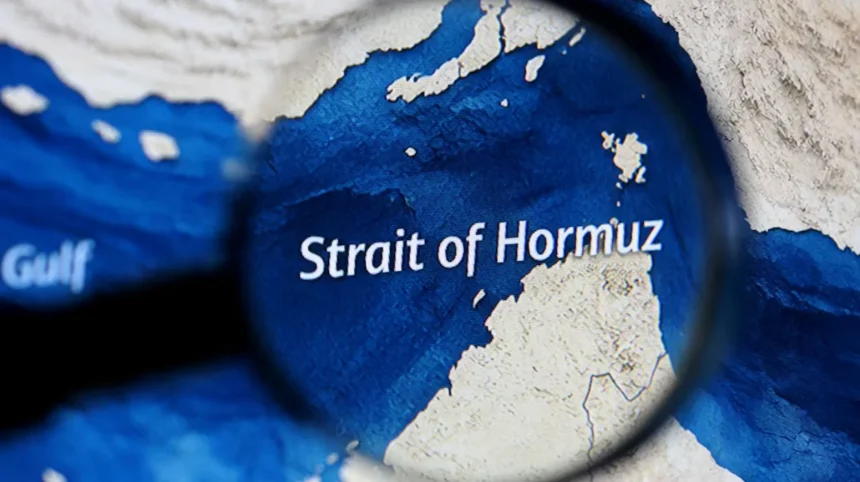
The Strait of Hormuz remains a critical artery for global energy flows, with a significant share of seaborne oil and liquefied natural gas passing through its waters. Disruptions in this corridor have had immediate effects on shipping insurance costs, freight rates, and global energy pricing. Since late 2024, insurers have significantly increased premiums for vessels transiting the region, reflecting elevated risk assessments tied to repeated drone and missile incidents.
Shipping companies have responded by rerouting vessels where possible, adding substantial transit time and operational costs. These adjustments have created ripple effects across global supply chains, particularly in Europe and Asia, where energy imports and manufactured goods rely heavily on stable maritime corridors. Market analysts in 2026 have estimated that prolonged instability in the region contributes to broader inflationary pressures, especially in economies already managing post-pandemic recovery constraints.
Trade Diversion and Cost Escalation
The rerouting of commercial vessels away from the Strait of Hormuz has effectively lengthened global shipping lanes, increasing fuel consumption and delaying delivery schedules. Container freight rates have fluctuated sharply in response to these disruptions, while energy-importing economies have faced renewed volatility in fuel pricing. The cumulative effect has been a measurable strain on industries dependent on predictable logistics networks, including automotive manufacturing and electronics supply chains.
In 2025, earlier waves of disruption in adjacent maritime corridors had already demonstrated how quickly localized conflict zones can escalate into global economic shocks. The current situation in the Strait of Hormuz represents a more concentrated version of that trend, given the corridor’s centrality to global energy infrastructure.
Humanitarian Consequences Embedded in Maritime Instability
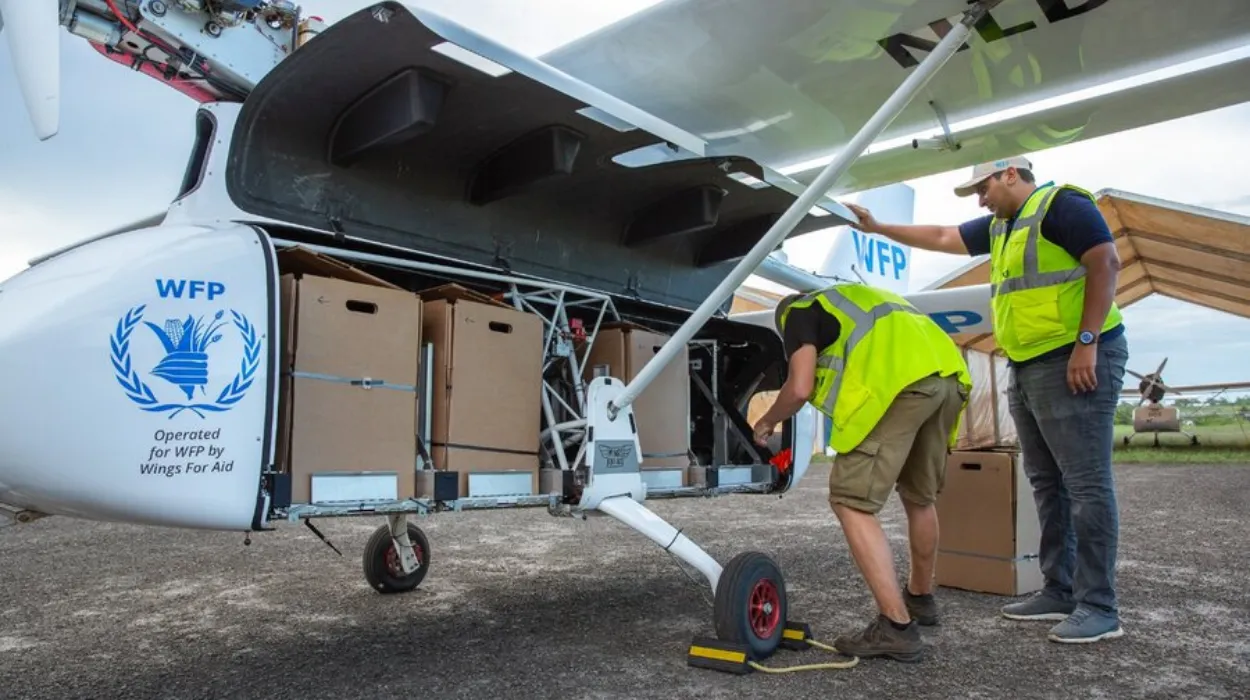
Beyond commercial disruption, the Security Council impasse carries significant implications for humanitarian operations in Yemen and surrounding regions. The same maritime routes affected by shipping attacks are also critical for delivering food, fuel, and medical supplies to populations facing severe humanitarian stress. Restrictions and insecurity in these waters have complicated aid delivery timelines and increased operational risks for humanitarian agencies.
United Nations officials have repeatedly emphasized that maritime instability cannot be separated from onshore humanitarian conditions. In Yemen, millions remain dependent on imported assistance, and delays in shipping directly translate into shortages of essential goods. The linkage between maritime security and humanitarian access has therefore become a central concern in assessing the broader impact of the veto.
Yemen Crisis and Aid Delivery Constraints
The humanitarian situation in Yemen remains highly dependent on stable maritime access routes. Disruptions in the Strait of Hormuz and adjacent waters have contributed to delays in aid shipments, particularly those carrying food and medical supplies. Humanitarian agencies have noted that even short-term interruptions can significantly affect distribution networks in vulnerable regions, where supply buffers are minimal.
In 2025, humanitarian monitoring reports highlighted repeated interruptions in aid delivery schedules linked to maritime insecurity. These disruptions compounded existing logistical challenges created by infrastructure damage and restricted overland access, reinforcing the importance of secure sea corridors for humanitarian continuity.
Geopolitical Rivalry Shapes Security Council Outcomes
The veto reflects deeper geopolitical competition shaping decision-making within the Security Council, particularly among permanent members with divergent strategic interests. Russia and China have consistently resisted resolutions perceived as expanding Western-led security frameworks in maritime regions adjacent to the Middle East. Their position in this case aligns with broader diplomatic efforts to constrain the scope of multilateral enforcement mechanisms in contested regions.
Western members, by contrast, have increasingly framed maritime security as a global public good requiring coordinated enforcement and monitoring mechanisms. This divergence has produced repeated deadlocks, particularly in cases involving non-state armed groups operating in strategically significant waterways.
Proxy Dynamics and Regional Alignments
The maritime dimension of the Yemen conflict is closely linked to broader regional proxy dynamics. Houthi forces have conducted repeated attacks on commercial shipping, actions they describe as connected to wider regional conflicts. These developments have drawn in external actors with competing strategic interests, further complicating efforts to establish consensus-based maritime governance mechanisms at the United Nations.
In 2025, earlier diplomatic efforts to reduce maritime escalation included limited temporary arrangements that relied on informal coordination rather than formal Security Council mandates. The failure to institutionalize such mechanisms has left maritime security dependent on ad hoc arrangements and coalition-based naval deployments.
Structural Limits of Multilateral Maritime Governance
The repeated failure to adopt binding or coordinated measures on Hormuz shipping security highlights structural limitations within the current multilateral system. While the Security Council remains the primary body responsible for international peace and security, veto dynamics continue to restrict its ability to respond to rapidly evolving maritime threats.
This institutional constraint has encouraged the growth of alternative arrangements, including multinational naval coalitions and bilateral security partnerships aimed at protecting shipping lanes. However, these frameworks operate outside the United Nations system and lack universal participation, limiting their capacity to provide comprehensive governance of global maritime corridors.
The economic and humanitarian stakes of continued paralysis are increasingly evident. As shipping disruptions persist and energy markets adjust to heightened risk premiums, pressure is building on both diplomatic and operational levels to develop alternative mechanisms for managing maritime security. Whether such mechanisms emerge within or outside the United Nations framework remains uncertain, but the trajectory of recent vetoes suggests that consensus within the Security Council will remain difficult to achieve in the near term, raising questions about how global trade security will be governed in an era of fragmented authority and escalating strategic competition.