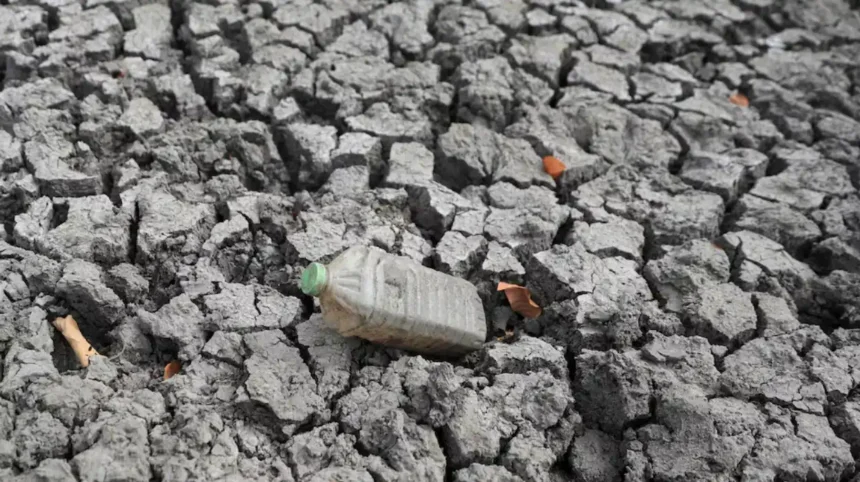
The world is bracing for what climate scientists are calling a potentially devastating climate event as the United Nations issues an urgent warning about extreme heat risks driven by the developing El Niño phenomenon. On June 2, 2026, the World Meteorological Organization (WMO), the UN’s specialized agency for climate and weather, announced that a moderate to possibly strong El Niño is likely developing in the Pacific Ocean, with the potential to continue through November 2026 and exacerbate some of the most dangerous climate hazards humanity faces today.
The timing of this announcement is significant because 2024 will go down in history as the hottest year on record, and experts warn that the natural heating cycle associated with El Niño will result in temperatures rising still further, breaking all existing records and triggering a series of catastrophic weather events around the globe. The combination of human-caused climate change and this natural phenomenon is being described by UN officials as a “perfect storm” of extreme conditions.
The Science Behind the Warning
This phenomenon can be classified as one of the strongest natural climate variations occurring on our planet. It is associated with warming of the surface of the Pacific Ocean located in its central and eastern tropical regions. According to predictions, an increase of 2°C to 3°C in the waters of the central part of the Pacific will be observed in 2026. Such a phenomenon can be considered significant and have global consequences. The occurrence of such a warming usually happens once every 2-7 years.
According to the WMO, there are chances of El Niño becoming a reality, and once it starts during mid-2026, it may affect weather patterns all around the world for months together. There are two aspects of the current warning that make this particular situation alarming. The first aspect relates to this being potentially developed into what researchers call “Super El Niño” – a very rare phenomenon of its kind and extremely powerful, which may not last for the normal nine to twelve months but continue up to 2028.
The climate experts predict a variety of extreme climatic events along with this El Niño, ranging from severe heat waves to heavy droughts in some parts of the world, excessive floods in other regions, and the unusual ocean heat waves which can affect the marine life across the globe. The presence of heat energy in the upper layer of the Pacific Ocean is considered to be the most important factor contributing to this El Niño event in the latter part of 2026.
Global Temperature Records at Risk
The first direct implication of this emerging El Niño effect is an increased likelihood of a temperature record being broken again. Given that 2024 is confirmed to be the hottest year on record, there have been warnings by climate experts regarding the possibility of human-caused climate change together with El Niño contributing towards the creation of record temperatures, which may lead to further consequences for humanity. In addition, based on climate projections, there is an 86% probability of one of the following five years surpassing 2024 in terms of temperatures.
Given the record-breaking temperatures observed in recent years, El Niño can make the situation even worse because the Earth absorbs more heat than it radiates due to greenhouse gases accumulating in the atmosphere. It means that climate imbalance has reached a point at which there is no precedent in recorded history.
Official UN Statements and Warnings
The UN leadership has been unequivocal in their warnings about the dangers posed by this developing climate event, with top officials calling for immediate action to prepare for the worst. Celeste Saulo, Secretary-General of the World Meteorological Organization, emphasized the gravity of the situation by stating,
“We need to prepare for a potentially strong El Niño event — which will exacerbate drought and heavy rainfall and increase the risk of heatwaves both on land and in the ocean.”
In addition to this, Saulo noted that extremely hot weather conditions themselves are one of the worst dangers of the changing climate, and the possibility of the El Niño phenomenon will make it even more hazardous to the lives of billions of people across the globe. This is important to mention since there is one crucial fact about climate danger that many people overlook: heat illnesses and deaths are one of the worst dangers of climate change.
António Guterres, the UN Secretary-General, delivered an equally urgent message, declaring that
“The world must treat it as the urgent climate warning it is. El Niño conditions will pour fuel on the fire of a warming world.”
Guterres has been particularly vocal about the connection between this climate event and the ongoing fossil fuel crisis, emphasizing that the Earth is pushed beyond limits and that the essential climate indicator is signaling danger across all metrics.
The UN Secretary-General has called for an immediate and comprehensive shift from fossil fuels to renewable energy, describing this transition as essential for climate security, energy security, and national security. In his address, Guterres emphasized that
“Earth is pushed beyond limits… essential climate indicator is signaling danger,”
making clear that the window for preventing catastrophic outcomes is rapidly closing.
Multiple Catastrophic Risks Identified
These risks associated with this El Nino event include various dangers that are connected to each other. One such risk would be the possibility of vector-borne diseases spreading in areas where it was not expected before. Due to the increased temperatures as well as changes in rainfall patterns, there is a high probability that the mosquitoes and other vectors may extend their presence into areas not previously known for their occurrence. Dengue fever, malaria, and other vector-borne diseases, which pose serious threats to public health in tropical and subtropical climates, may become even more widespread.
The world’s food and water system is being put under extraordinary stress because El Niño normally produces severe droughts in farming areas, especially southern Africa, Southeast Asia, and parts of South America. Past impacts from El Niños have ranged from food shortages and high costs to droughts affecting millions and even famine as crops have failed. In southern Africa, severe droughts have been compounded by floods as a result of El Niño, causing humanitarian emergencies.
Ocean heat waves are yet another important effect of “El Niño,” which is not always recognized. The oceans have temperatures that can be fatal to corals, fish, and other marine life, and threaten the livelihood of many communities that rely on the ocean for sustenance. The ocean’s heat waves can last for months, causing significant damage that may prove detrimental to both the marine life and humanity’s food chain.
Regional Implications for South Asia and Pakistan
It is especially important for the South Asian nations like Pakistan which faces heat waves at the Sindh province during summer when the temperature often reaches above 45 to 50 degrees centigrade due to the El Niño phenomenon. It is important to note that South Asia has always faced the consequences of El Niño as this phenomenon often brings warmer climate, changes in rainfalls, and extreme weather conditions that can pose great risks to the region’s infrastructures and public health system.
This is because millions of people in Pakistan face the danger of extreme heat waves in the urban cities like Karachi and other agricultural regions in Sindh province. It should be pointed out that Sindh province had been facing extremely dangerous heat waves in recent years. In fact, this year is not an exception as many people have died as a result of extreme heat waves in Sindh province in recent months.
Previous El Niño events, including the 2023-2024 episode, caused significant crop failures and water scarcity throughout Pakistan, leading to economic losses measured in billions of dollars and contributing to food insecurity that affects millions of people. The agricultural sector, which employs a substantial portion of Pakistan’s workforce and contributes significantly to the national economy, remains particularly vulnerable to the drought conditions that El Niño typically brings to the region.
The Case for Anticipatory Action
What distinguishes this UN warning from previous climate alerts is the emphasis on anticipatory action—taking preventive measures before crises deepen rather than responding after disasters have already occurred. Reena Ghelani, UN Climate Crisis Coordinator, has been a vocal advocate for this approach, stating that
“If we act now and act fast, the world will have not another major crisis on its hands.”
This philosophy represents a fundamental shift in how international organizations approach climate disasters, moving from reactive humanitarian response to proactive risk reduction.
According to the WMO, adequate preparation could have prevented massive humanitarian catastrophes since the focus should be on implementing proper measures such as installing warning systems, planning for heat conditions, adopting drought-resilient agriculture, and building structures that promote water conservation long before the worst happens. While it is important to make significant investments in such initiatives, they end up being more cost-effective than disaster relief and economic recovery after a calamity.
Billions of individuals around the globe are succumbing to scorching heatwaves resulting from the worsening climate change crisis caused by the burning of fossil fuels, according to the Call to Action on Extreme Heat by the Secretary-General of the United Nations. As such, heatwave action strategies are necessary, especially for early warning systems, cooling shelters, public health measures, and safeguarding outdoor workers against the danger of heatwaves.