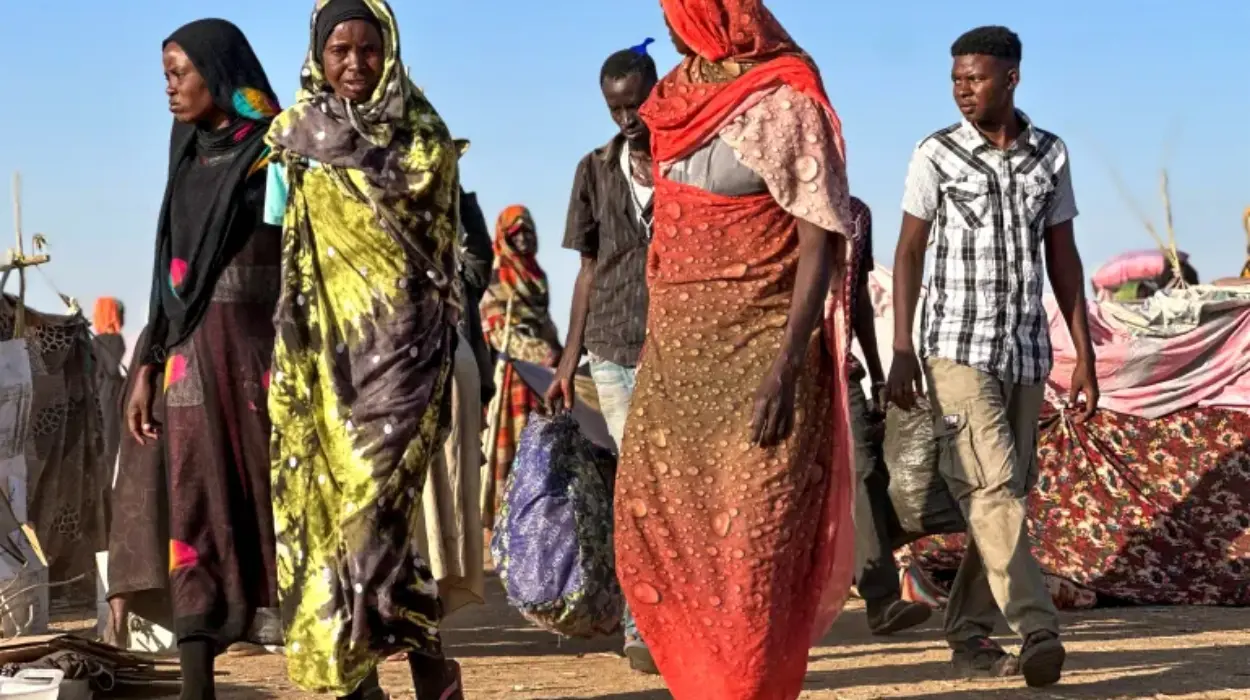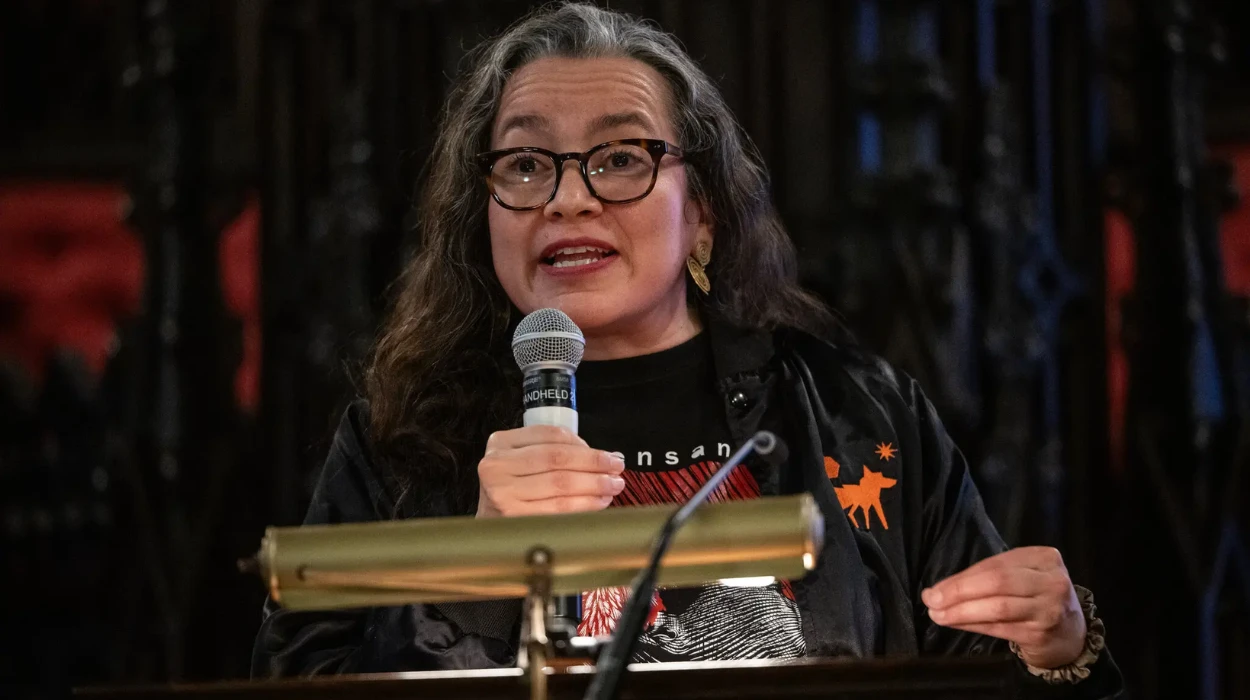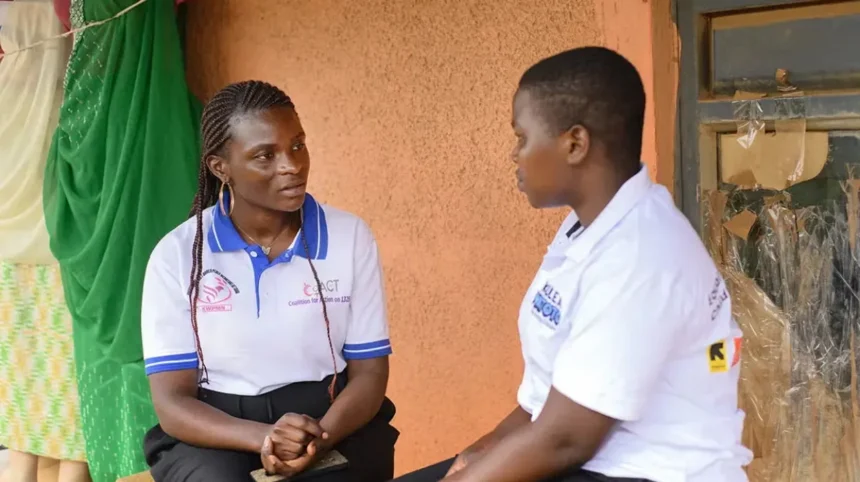
The United Nations is sounding an urgent alarm over a fast-deteriorating humanitarian crisis for women and girls, saying that funding cuts have already pushed at least 1 million of them out of critical support systems. The warning is not framed as a distant risk but as a present reality, with aid reductions now translating into immediate losses in protection, health, and crisis services for some of the world’s most vulnerable people.
The key element of the matter is the severe cutback in foreign aid, in particular from the leading donor countries, that is affecting the provision of humanitarian assistance in many different regions. The message of the UN is very straightforward – whenever funding decreases, women and girls caught up in conflict, displacement, or disasters will be the first to be denied essential aid. The consequences of such denial include lack of safe havens, maternal healthcare, protection against violence, psychosocial support and other vital services.
A crisis measured in lost access
The most dramatic statistic that comes out of the disruption is the size of it. UN Women states that up to 1 million women and girls have been deprived of humanitarian aid and other forms of support due to the reduction of funding. It is not only about funds that are lacking but about people who have been deprived of aid designed to protect, keep healthy and alive. Reporting on the disruption mentions the disruption caused by budget reductions during the past year and since January 2025, which proves how rapidly changes took place in the aid world. According to information available, the US became the first donor to cut billions of foreign assistance dollars in 2025 and other large donors did the same.
The result is an environment in which emergency programs are being stripped down or suspended, often before substitute funding can be found. In that sense, the 1 million figure is not a ceiling but a warning sign that the number of affected women and girls could grow if the financing gap persists.
Why women and girls are hit first
The UN’s warning reflects a long-standing reality in humanitarian work: women and girls are disproportionately affected when aid systems weaken. They are more likely to depend on services that are not easily visible in headline budgets but are essential to survival and recovery. These include reproductive health care, shelters, protection from gender-based violence, counseling, legal support, and community-based crisis assistance.
With the withdrawal of these programs, the impact is quick to be felt. With a locked down safe space, the survivor of gender-based violence may no longer have her safety guaranteed. With an inactive maternal care program, the pregnant woman becomes more vulnerable. And a lack of psychosocial services denies the displaced girl child any support in the wake of the shock experience. These cuts come on top of each other, adding up to a greater impact than intended. This is precisely why the caution by the UN comes across so strongly. The UN is not just pointing out a reduction in aid; rather, the structure of the very aid to women and girls is being undermined at a critical time.
Donor retreat and the wider aid squeeze
This story is part of a wider international contraction in humanitarian funding. According to the report, the United States took the lead in making the first round of cuts in 2025, and others are following suit since then. This point is important as the humanitarian sector has very tight integration. If one key donor decides to cut down expenses, the resulting pressures extend to other agencies and NGOs, as well as the field offices. What this implies for UN agencies and the local partners implementing programs on the ground is not just reduced funding, but fewer people employed by them, fewer regions to provide services to, and tough decisions about which beneficiaries to prioritize in an emergency situation.
The UN warning also fits a pattern seen across the humanitarian system in 2025 and 2026, where budget crises have forced agencies to scale back life-saving operations. Reports from UN-linked outlets have described threats to refugee aid, maternal health services, and anti-violence programs. In that context, the current warning about women and girls is part of a broader financial stress test for the global aid architecture.
Protection services under pressure
One of the clearest concerns is the impact on protection services. Anti-violence programs are often among the first to be cut when budgets tighten, even though they address some of the most urgent needs in crisis settings. Earlier UN reporting said funding cuts had already shut down or suspended one in three women’s anti-violence organizations, illustrating how direct the damage can be.
This is important since protection services serve purposes beyond addressing the situation after an incident happens. They also serve functions of prevention, awareness-raising, referrals, reporting avenues, and emergency services. Where this fails, it becomes even more difficult to spot the issue and address it. In situations involving women and girls in displacement camps, war zones, and disaster-affected areas, the lack of such services would be catastrophic. What the United Nations is saying through this statement is that protection services are not just an add-on to other things. They are humanitarian services and especially when violence against women and girls increases due to instability.
Health services and maternal risk
This warning is also connected with serious issues related to health services, in particular, maternal health services. United Nations have already noted that the cutbacks in funding will result in lack of support of reproductive and sexual health needs of women and girls, which will inevitably lead to some very serious consequences. Maternal health services usually remain one of the most vulnerable components of the health care system in times of crisis. Being pregnant and giving birth in times of conflict or disaster is always very dangerous. Absence of professional personnel, medicines, transport, and functional clinics makes situation very risky. The cutback of funds means less prenatal check-ups, less skilled birth attendants, less referral services for complications.
The issue is not limited to physical health. Medical services are often the gateway to broader support, including counseling, protection referrals, and family planning. When those services disappear, women and girls lose access to a whole chain of assistance that helps stabilize lives under extreme pressure.
UN stance and warnings
UN Women’s stance is that this is a humanitarian failure with gendered consequences, not just a financial adjustment. The agency is effectively arguing that aid cuts are disproportionately harming women and girls because the services they rely on are more vulnerable to budget shocks. Its warning is meant to push donors to see the human cost behind the numbers.
A central statement from the reporting says the funding cuts are
“dismantling the frontline organisations working to end violence against women and girls”
[UN Women]. That language is important because it frames the issue as structural damage to institutions, not only temporary disruption. Once such organizations close, restarting them can take years, not weeks.
Another quoted warning in the coverage says women and girls are
“overlooked in their hour of greatest need”
[UN Women]. That statement captures the moral dimension of the crisis. The concern is not merely that resources are limited, but that the people most in need are being deprioritized when humanitarian decisions are made.
Human impact beyond the numbers
Even 1 million already sounds like a big number, yet the real essence lies in what that means for the affected population. In a humanitarian context, one lack of service often leads to several negative consequences. For example, a girl deprived of a safe place will also be deprived of counseling, linkages with schooling, and reliable adults. A pregnant woman deprived of a clinic will also be deprived of food assistance and referrals. That is why aid reduction often leads to problems that go beyond the initial scope of reduced funding. After cutting down activities, losing trust and referrals occurs, and needy individuals are unlikely to seek help.
The warning therefore serves as both a snapshot and a forecast. It captures current losses while also suggesting what may follow if the aid environment continues to tighten. In humanitarian terms, prevention is far cheaper and more effective than repair.
In this regard, the next phase depends a lot on the decisions of the donors. Should there be any shift in their decisions, some programs could remain viable and even revived. However, following the current trend, an increasing number of women and girls can find themselves deprived of necessary services, as well as current budget cuts can lead to an even wider collapse of the system. In the case of UN organizations, in addition to raising money, it is important to justify the need for such assistance among the women, since, in today’s tight budget conditions, this issue is extremely important and relevant.
The UN warning is therefore best understood as both an alarm and an appeal. It is an alarm because it records a real loss already affecting at least 1 million women and girls. It is an appeal because it asks donors and governments to treat gender-focused humanitarian aid as essential rather than expendable. In a moment of shrinking global generosity, that distinction may decide whether many services survive or vanish.