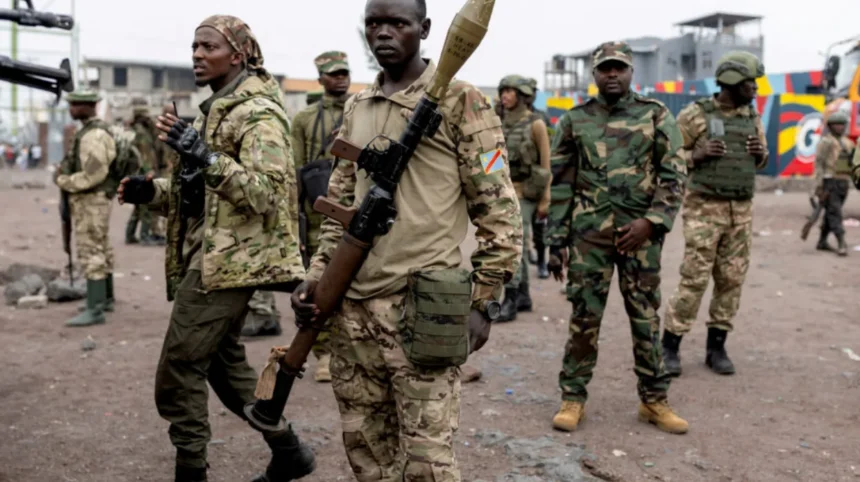
A new UN evaluation of the ongoing battle in eastern DR Congo ranks as one of the most alarming developments so far in a conflict that has consistently outmaneuvered all diplomatic efforts to solve it. As reported by the experts quoted in the report, the M23 rebellion backed by the government of Rwanda now constitutes a fighting force numbering some 30,000 troops, a shocking number indicating that not only has the rebels been successful in the field but has also established itself in a strategically important and unstable part of the country.
Adding weight to the significance of the development is the purported scale of the outside assistance that stands behind it. According to the UN report, the UN experts have concluded that the rebels from the M23 are supported by no less than 18,000 Rwandan soldiers, which means that, should the allegations prove true, Rwanda will be at the epicenter of an international crisis, despite the presence of a peace accord brokered by the US in Washington. In addition, previous reports from the United Nations have already indicated the presence of a small but significant contingent of Rwandan troops numbering from 3,000 to 4,000 men supporting the rebel faction in eastern Congo.
A rebellion that has grown into an army
The core message from the latest report is that M23 has become far more than a rebel movement fighting guerrilla-style battles in the jungle and hills of eastern Congo. With a force reportedly reaching 30,000, the group appears to have transformed into a structured armed organization with the capacity to occupy, govern, recruit, and defend territory at scale. That is a major shift in the conflict’s character, because rebel groups of that size can challenge state authority in ways that go beyond temporary offensives.
This matters because eastern DRC has long been a theater where armed groups rise, fracture, and re-form under shifting alliances, but M23’s reported growth signals a level of durability that could make the crisis much harder to reverse. A force of this size is not just about battlefield strength. It also implies logistical depth, command structures, access to resources, and potentially a broader political project. That is why the UN experts’ findings carry such weight: they suggest this is not a passing insurgent surge but a more entrenched armed challenge to Congolese sovereignty.
Rwanda’s disputed role
At the center of the controversy is Rwanda’s alleged support for M23. UN experts have repeatedly said Rwanda exercises “de facto control” over the group, meaning the rebels may not be acting independently in the way Kigali claims. That phrase is important because it goes beyond loose sympathy or indirect assistance. It implies operational influence strong enough to affect strategy, movement, and battlefield decisions.
Rwanda, meanwhile, had previously been reported to deny its participation in the dispute and has been defensive about being accused of supporting the rebels. Rwanda has also asserted that the neighboring states were also in breach of the cease-fire, according to the BBC. This results in the typical scenario seen in the Great Lakes Region where one side presents the situation as one of self-defense and security management while the other side portrays it as an invasion under the guise of rebellion.
The numbers behind the crisis
The most striking number in the latest report is the claim that M23 now fields around 30,000 troops. That figure alone would place the group among the most formidable non-state armed actors on the African continent. But the reported estimate of 18,000 Rwandan soldiers supporting the rebels is what gives the story its broader geopolitical significance. If those numbers are even approximately accurate, the conflict is no longer a localized insurgency; it is a cross-border military problem with major regional implications.
The figures mentioned above clearly indicate the stark difference with the previous reports of the UN in which there were reported numbers of Rwandan soldiers ranging from 3,000 to 4,000 in eastern Congo. Even then, the numbers indicated a clear involvement that can be regarded as a threat to the sovereignty of DRC. This increase implies an increase that poses further complications for policymakers and diplomats who have to ask themselves how the force was increased and what training and supplies they had received.
Human cost of the fighting
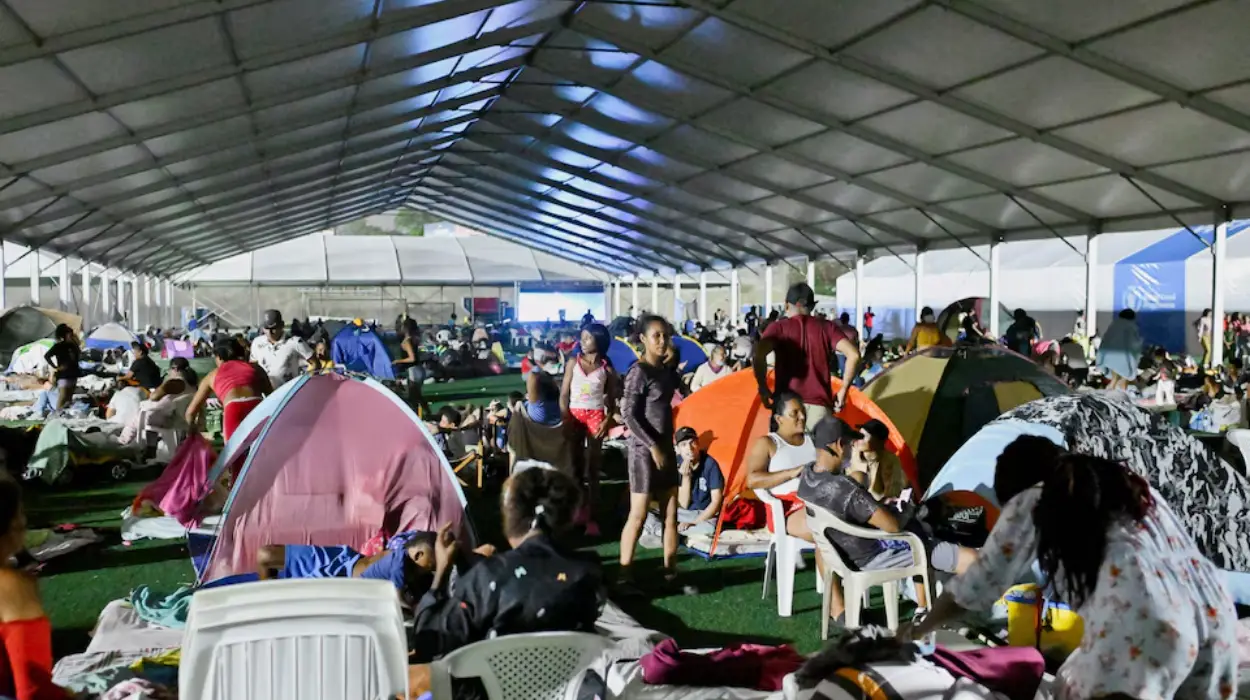
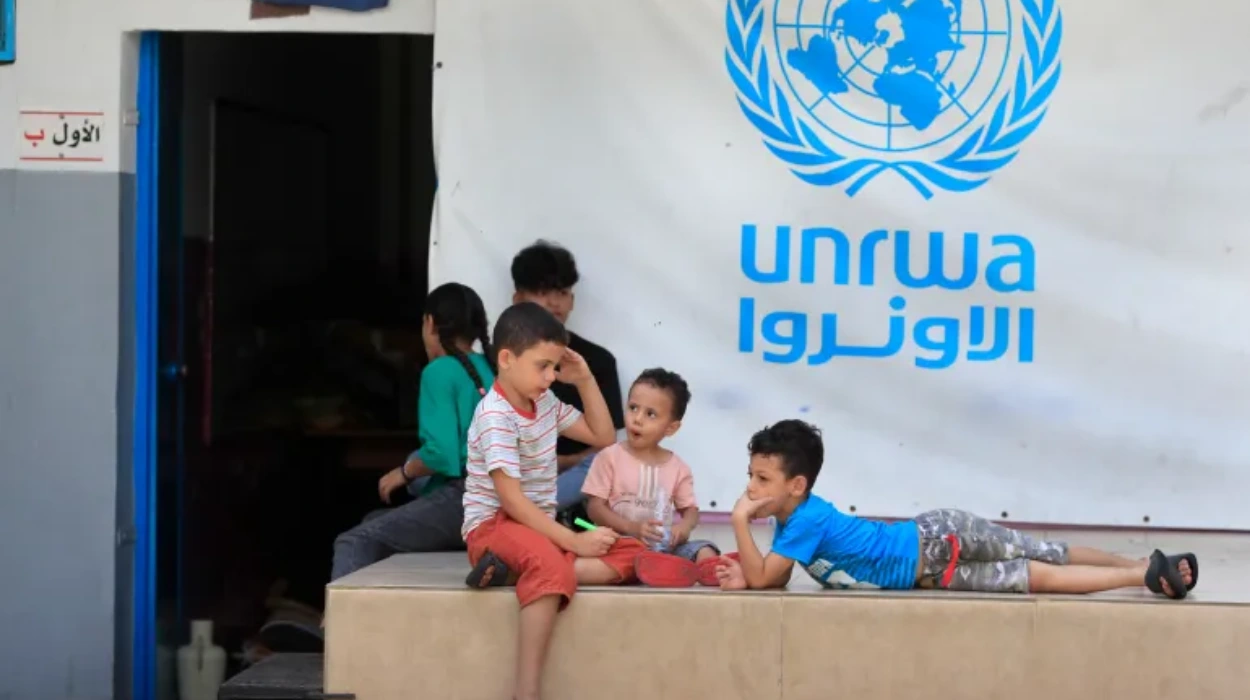
While the military figures dominate the headlines, the humanitarian consequences remain devastating. BBC reporting on later fighting said about 200,000 people were displaced, with at least 74 killed and 83 hospitalized in one wave of violence. Other reporting said roughly 30,000 people fled into Burundi in a single week as violence spread toward Uvira, a key border city. These are not abstract displacement statistics. They reflect entire communities uprooted by artillery, gunfire, and the fear that armed control can change hands at any moment.
Humanitarian impact is one of the most obvious signs that the situation is not under control. Every attack drives people to leave their provinces and cross borders, putting even more pressure on already struggling systems. The scope of displacement also makes meaningless any claims of political significance of military success through mass population displacement. In other words, the war in eastern Congo is also a crisis of human security.
Why eastern Congo remains combustible
Eastern Congo has spent years trapped in a cycle of militancy, foreign intervention, and failed stabilization efforts. The area’s strategic geography and mineral wealth make it a magnet for armed competition, and the presence of multiple state and non-state actors has made durable peace elusive. The latest report deepens that pattern by suggesting that M23 is not weakening under pressure but growing stronger under the protection of a powerful external backer.
It is that particular combination which makes this present time period so threatening. Not only does the existence of a rebel group that reportedly receives support from the state constitute a threat to Kinshasa on a local level but it also has implications for Burundi, Uganda, regional diplomacy, refugees, and international mechanisms for peace. The situation is further complicated because there exists a diplomatic dilemma whereby external intervention in the matter runs the risk of being too internal or too external.
The peace process under strain
The latest findings also cast doubt on the strength of the US-backed peace deal signed in Washington. The report says the rebels’ expansion has continued despite that agreement, which should have reduced incentives for escalation. Instead, the battlefield reality suggests that armed actors may be using diplomacy as cover while consolidating positions on the ground. That is a familiar problem in conflict zones where ceasefires are announced before enforcement mechanisms are strong enough to make them matter.
Previous research conducted by UN officials already revealed that the intervention of Rwanda had infringed on the sovereignty of Congo and also could be considered a proof of involvement of the Rwandan government in the crimes carried out by M23. In case the recent statistics turn out to be true, the problem for the mediator will become even more complicated. It is possible to reach certain agreements, which will reduce overt combat but will not bring stability in case of changing military situation.
Regional stakes and international response
The conflict has now become a test of how far international institutions can go in addressing armed proxy warfare in Africa’s Great Lakes region. A rebel force of 30,000, allegedly sustained by thousands of foreign troops, is not a small-scale security challenge. It is a regional destabilization issue that touches on sovereignty, displacement, accountability, and the limits of diplomatic pressure. The statement that the offensive has
“destabilising potential for the whole region”
captures the scope of the risk.
For nearby countries, the risk goes beyond the spread of military conflict to the potential for refugee flows, instability along the border, and retaliation to expand the conflict to more parts of Congo. For the UN, the question becomes whether continued reporting will have any impact at all. Finally, for Rwanda, the issue is one of reputation and politics, as its support for the M23 group continues to be alleged.
What the report means now
What is most important about this report is not the numbers alone but their implications. That there are 30,000 rebels tells us that M23 has entered a stage of entrenchment rather than growth. A figure of 18,000 Rwandan troops, should it be proved by more evidence to be true, points to much deeper involvement than previously thought.
At the same time, the humanitarian cost keeps rising and the political process remains fragile. The conflict has already driven mass displacement, disrupted border regions, and increased fears of a wider regional confrontation. That is why this report is so important: it is not just about another rebel advance, but about the possible hardening of a proxy war into a long-term regional security crisis.