The latest warning from senior United Nations officials is both a diplomatic message and a security alarm: Afghanistan cannot be safely ignored. Two top UN figures are pressing Western governments to stay engaged with the country, arguing that isolation could push Afghanistan back toward instability with consequences that extend far beyond its borders.
The crux of the appeal lies in a straightforward yet compelling calculation. It is not a question of whether the United Nations wants the West to support the rule of the Taliban or ignore the human rights violations; it is about the fact that staying aloof comes at a much higher cost strategically. They believe that an underperforming Afghanistan will have far-reaching consequences for the region and the world in the form of displacement, drugs, extremism, and criminal activity.
Why the warning matters now
The reason why this UN appeal is critical is the fact that Afghanistan is already facing immense difficulty. The state continues to suffer from economic, humanitarian, international recognition and political isolation problems. In such a situation, the UN representatives are arguing that any withdrawal by the Western countries might aggravate the problem instead of controlling it. The logic behind the appeal lies in practical reasons. As far as the external players distance themselves too much, they will no longer be able to influence things and be influential and visible in the region, and thus, instability can become even more dangerous for the neighboring countries, and eventually even for Europe due to migration and security issues.
The story is also significant because it reflects an increasingly common UN line on Afghanistan. Across multiple briefings and public statements, the organization has continued to stress that Afghanistan’s problems do not stay inside Afghanistan. Instead, they can spill outward through refugee flows, trafficking, terrorism, and regional volatility.
What the UN officials said
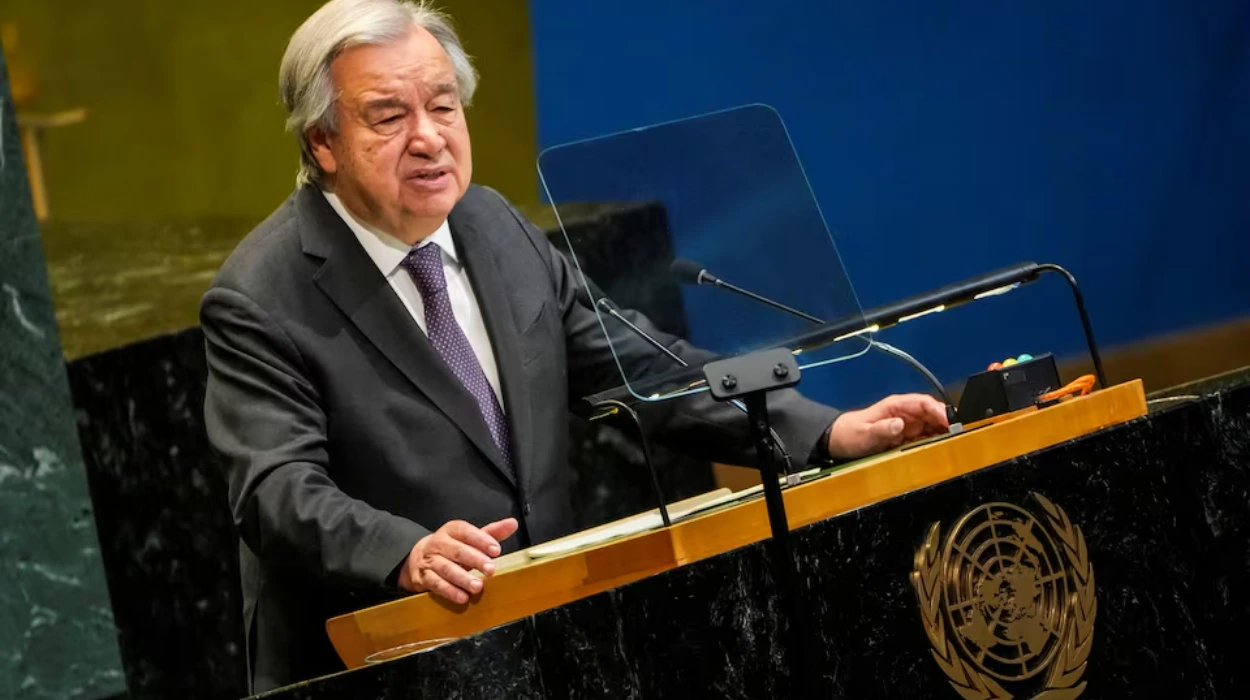
The AP report says two senior UN officials made the case during a joint visit to Afghanistan, urging Western nations to remain involved rather than step back. Their concern is that a policy of distance could accelerate deterioration in a country that is still struggling to stabilize itself.
One of the clearest statements in the report came from Barham Salih, who said,
“not a good thing to do”
in reference to ignoring Afghanistan, arguing that engagement is the wiser course if the goal is to keep the country “safe and secure”. That language matters because it is not framed as idealism; it is framed as a warning grounded in consequences.
Salih also pointed to the wider spillover risks, describing the possible outcomes as “drugs, extremism, criminal activity” and refugee movement. In other words, he was linking Afghanistan’s internal fragility to a broader chain of transnational problems.
The second official, Alexander De Croo, said that if the international community “turns its back” on Afghanistan, the consequences would be “much, much broader” than the country itself. His statement reinforces the idea that Afghanistan should be treated as part of a regional stability equation, not as an isolated humanitarian case.
The strategic logic behind engagement
The message of the United Nations follows a logic of strategy that diplomats are well aware of, even if they don’t always agree on tactics. Isolation can send a message, but it can also dilute influence and hamper efforts to avoid collapse. Conversely, engagement makes it possible for other countries to maintain their lines of communication, pursue humanitarian activities, and exert influence on the ground. This is not to say that the UN ignores issues of governance and human rights. The key issue here is simply that isolation is unlikely to have any positive effect, since it may just result in a vacuum. And in Afghanistan, such a vacuum can lead to greater economic woes and suffering of ordinary people.
This is why the UN officials are appealing directly to Western states rather than only to regional players. Western capitals still carry political and financial weight, and their choices influence broader international policy. If they stay out, the signal to the rest of the world is that Afghanistan is not a priority. If they stay engaged, there is at least a chance of stabilizing channels for aid, dialogue, and containment.
Humanitarian and security risks
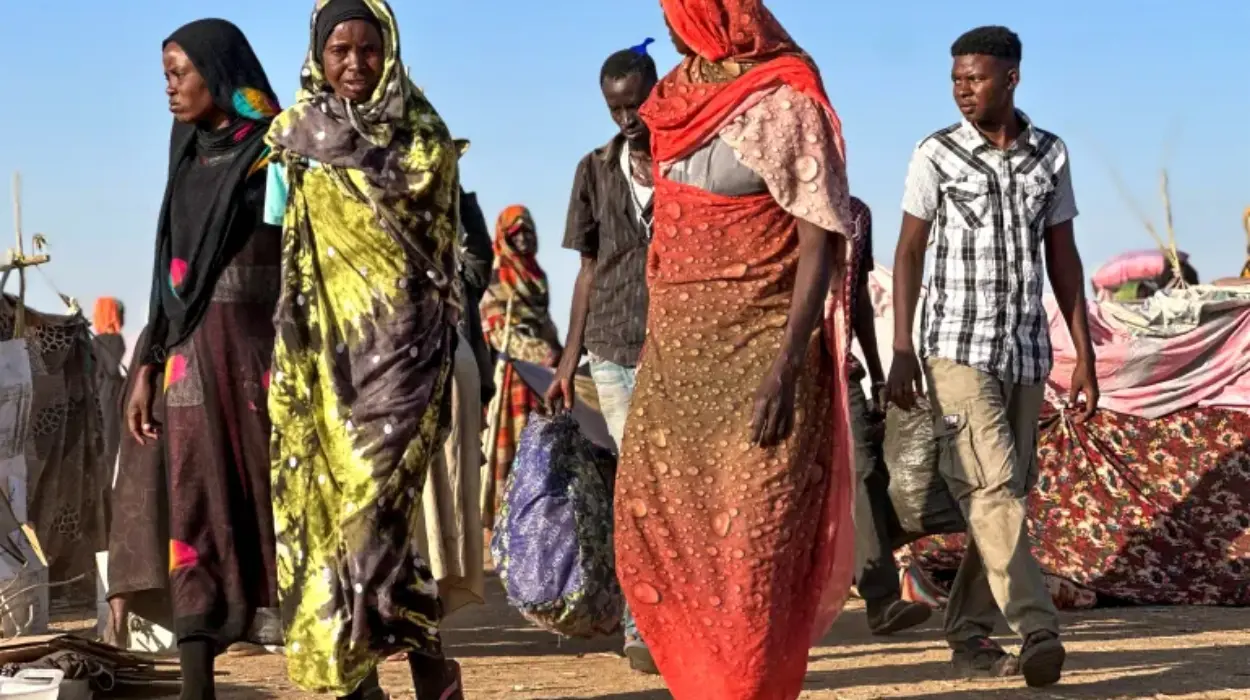
One should note that the biggest warning in this case has little to do with abstract diplomacy. This warning refers to the practical dangers of the situation and consists of four items: narcotics, extremism, criminality, and refugees. These problems are quite realistic, and there has been considerable focus of attention of the world community on them in relation to Afghanistan all the time. It is natural that once state institutions begin to fall apart and economic despair grows, such threats will increase proportionately. Therefore, the officials from the UN regard engagement as the preventive security measure. The point of refugees is particularly critical here since the instability of Afghanistan will not be confined to the territory of this country only and can generate migration processes in neighboring countries and even beyond them.
The counterterrorism angle is equally important. UN officials are warning that isolation can create conditions in which extremist networks gain more room to operate. The concern is not only what happens inside Afghanistan, but whether the country becomes a node in a wider web of insecurity that affects South and Central Asia and beyond.
UN’s longer position on Afghanistan
This latest appeal fits a broader UN pattern that has emerged over several years. In March 2026, a UN Security Council briefing warned that alienation from the international community is undermining Afghanistan’s economic self-sufficiency, security cooperation, counterterrorism commitments, human-rights concerns, and humanitarian response. That is an unusually broad list, and it shows how interconnected the crisis has become.
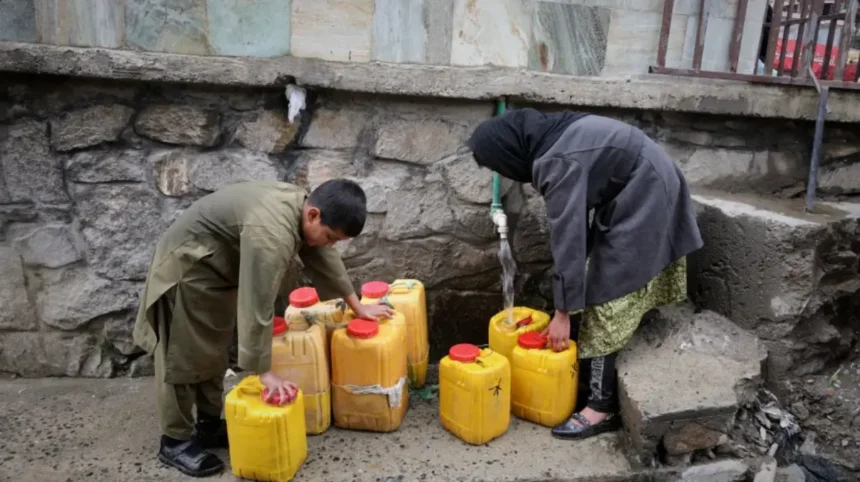
However, the UN briefing also noted the potential for Afghanistan to once again be an engine of regional and international instability due to outmigration, terrorism, and narcotics. This language is identical to the warnings issued in the AP article, lending credibility to the most recent article. The warning is not an isolated instance but rather a piece of an ongoing UN analysis. As recently as December 2025, the UN informed the Security Council that over 23 million people in Afghanistan—over half the population—required humanitarian aid in 2026. This statistic is crucial in demonstrating that the problem in Afghanistan is not only political but humanitarian as well.
Taken together, these UN positions show why the organization keeps returning to the same recommendation: stay engaged, support humanitarian needs, and avoid policies that could accelerate collapse. The concern is not just about Afghanistan’s government; it is about the people living under severe strain.
What this means for Western policy
The problem facing western governments is simple yet complex. First, there is considerable pressure exerted from an ethical perspective when it comes to matters of human rights abuse, particularly in connection to women and civil liberties. Second, a complete withdrawal may exacerbate the very situation that makes it impossible to correct those abuses. This is why the call by the UN needs to be interpreted as one advocating for pragmatic intervention rather than mere normalization of political relations. It is all about maintaining communication avenues that help deliver humanitarian aid and minimize security threats.
There is also a geopolitical layer. If Western nations disengage, other powers may fill the space with different priorities. That could reduce any remaining leverage the West has on humanitarian access, regional coordination, and future political negotiations. The UN’s warning is therefore not only about Afghanistan itself, but also about who shapes its future if the West steps away.