The EU-UN Partnership has emerged as a central pillar in sustaining international order at a time when global governance structures face unprecedented stress. During the April 2026 United Nations Security Council debate, EU High Representative Kaja Kallas framed the United Nations as the only system capable of representing collective global interests and upholding international law. Her statement reflected a broader recognition that multilateral institutions are no longer operating in stable conditions but in an environment shaped by conflict, fragmentation, and competing power centers.
This partnership has evolved from a supportive framework into an operational necessity. The combination of prolonged conflict in Ukraine, persistent instability in the Middle East, and expanding security threats in Africa has pushed the EU and UN into closer alignment. Developments throughout 2025 already indicated this trajectory, as both entities increased coordination in peacekeeping, humanitarian assistance, and sanctions enforcement mechanisms. The result is a partnership that functions as both a stabilizing force and a crisis management instrument.
Financial architecture sustaining UN operations
The strength of the EU-UN Partnership is deeply rooted in financial capacity. The European Union and its member states collectively provide a substantial share of the funding that enables the United Nations to operate across multiple domains, from humanitarian relief to long-term development programs.
EU’s dominant contribution to global aid systems
The EU accounts for roughly a quarter of all contributions to UN agencies, funds, and programs, underscoring its position as the financial backbone of multilateral operations. This includes billions of euros annually directed toward development, humanitarian relief, and climate initiatives.
In 2025, the EU’s financial commitments expanded further, with development aid surpassing €90 billion and humanitarian funding reaching significant levels in response to crises in regions such as the Middle East and Sub-Saharan Africa. These contributions are not merely symbolic; they directly sustain operational continuity for UN missions that might otherwise face resource shortages.
Strategic deployment of funding in crisis zones
EU funding is increasingly targeted toward high-risk and high-impact environments. Support for UN agencies operating in conflict zones such as Gaza, Syria, and Yemen demonstrates how financial contributions translate into practical outcomes.
This targeted approach also reflects a shift toward efficiency and accountability, ensuring that funding aligns with strategic priorities. By directing resources toward areas where institutional collapse is most likely, the EU reinforces the UN’s ability to function in environments where traditional state structures are weak or contested.
Geopolitical crises shaping partnership urgency
The EU-UN Partnership is being tested and reshaped by overlapping geopolitical crises. These challenges are not isolated but interconnected, creating a complex landscape that demands coordinated responses across multiple domains.
Ukraine war as a stress test for multilateralism
Russia’s war in Ukraine remains a defining factor in the current global order. By 2026, the conflict had entered its fourth year, placing sustained pressure on international legal norms and institutional credibility. UN officials have acknowledged the EU’s role as a key economic and diplomatic actor in managing the crisis.
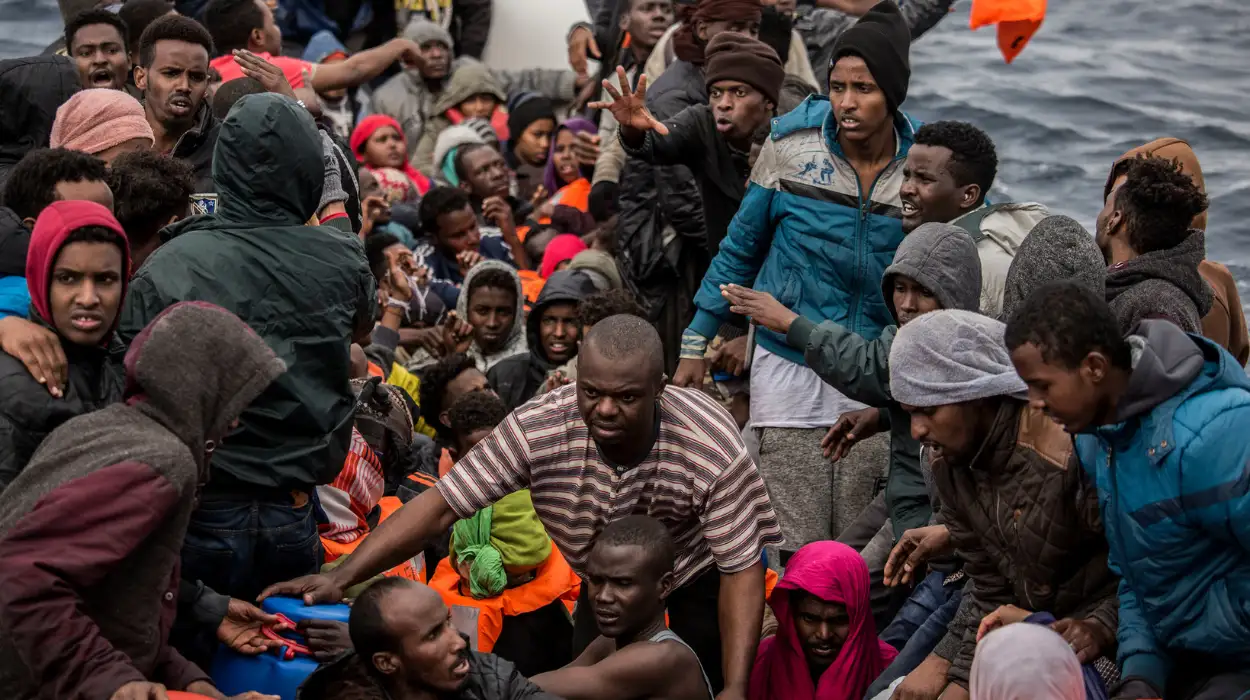
Throughout 2025, EU-UN coordination intensified in areas such as sanctions monitoring, humanitarian assistance, and refugee support. Financial and logistical backing from the EU enabled the UN to maintain operations despite the scale of displacement and infrastructure damage. This cooperation illustrates how the partnership can function as a stabilizing mechanism in prolonged conflicts.
Middle East instability and operational constraints
Parallel instability in the Middle East has further tested the EU-UN Partnership. Escalations in Gaza and broader regional tensions have complicated UN mediation efforts, particularly given divisions within the Security Council.
The EU has played a supporting role by facilitating funding, diplomatic engagement, and logistical coordination. However, structural limitations within the UN system, including veto dynamics, have constrained the effectiveness of collective action. This has pushed the EU to explore alternative diplomatic channels, including broader engagement through the General Assembly and regional initiatives.
External perspectives on multilateral resilience
A perspective circulating on X highlights how observers interpret the EU-UN Partnership within the broader context of global governance challenges. In a post shared at https://x.com/diyarkurda/status/2044023328432697795, the individual has spoken on the topic, emphasizing that multilateral cooperation remains essential but increasingly difficult to sustain in an era of geopolitical fragmentation. The commentary reflects a wider analytical view that partnerships like the EU-UN axis are not only necessary for stability but are also under constant pressure from competing national interests and shifting power dynamics.
Security cooperation and operational integration
Beyond financial contributions, the EU-UN Partnership has expanded into deeper security cooperation. This includes peacekeeping operations, mediation efforts, and responses to emerging threats such as cyber warfare and climate-related instability.
Peacekeeping and mediation alignment
EU member states continue to play a significant role in UN peacekeeping missions, providing personnel, training, and logistical support. This integration enhances the effectiveness of operations in regions such as Africa, where complex conflicts require coordinated responses.
In 2025, joint EU-UN initiatives strengthened rapid response capabilities and improved coordination in crisis zones. These efforts demonstrate how operational alignment can compensate for institutional limitations within the UN system.
Addressing hybrid and non-traditional threats
The scope of the EU-UN Partnership has expanded to include non-traditional security challenges. Climate change, cyber threats, and disinformation campaigns are increasingly recognized as factors that destabilize regions and undermine governance.
EU leadership in climate finance supports UN efforts to address environmental drivers of conflict, while joint initiatives in cybersecurity aim to protect critical infrastructure. These areas highlight the evolving nature of security cooperation in a rapidly changing global environment.
Reform pressures and institutional adaptation
The effectiveness of the EU-UN Partnership is closely linked to ongoing debates about institutional reform. As global power dynamics shift, both entities face pressure to adapt their structures and processes.
Calls for Security Council reform
European leaders have increasingly advocated for reforms to the UN Security Council, including changes to veto mechanisms and expanded representation. These proposals reflect concerns that the current structure is not adequately equipped to address contemporary challenges.
Developments in 2025 highlighted the urgency of these reforms, as repeated deadlocks limited the Council’s ability to respond effectively to crises. The EU’s position emphasizes the need for a more inclusive and responsive system.
Navigating global power competition
The partnership must also operate within a broader context of geopolitical competition involving major powers such as the United States and China. Divergences in policy priorities and strategic interests complicate coordination within the UN framework.
Despite these challenges, the EU-UN Partnership has demonstrated a capacity to adapt by focusing on areas of consensus and leveraging financial and institutional resources. This pragmatic approach allows the partnership to function even when broader agreement is elusive.
Strategic trajectory in an era of contested order
The EU-UN Partnership stands at a critical juncture as global lawlessness continues to challenge established norms and institutions. Its strength lies not only in financial contributions or operational coordination but in its ability to adapt to a shifting geopolitical landscape.
As conflicts persist and new threats emerge, the partnership’s role is likely to expand further, requiring continuous adjustment and innovation. The central question is whether this evolving alignment can maintain coherence and effectiveness in the face of mounting pressures, or whether the very forces it seeks to counter will gradually reshape the limits of what multilateral cooperation can achieve.